Streets of Manila: Historical and Present Day
Old Manila still speaks through its walls. This four-hour private tour links Intramuros and San Agustin Church with present-day Makati, giving you a quick but useful picture of how Manila changed from Spanish colonial capital to modern business center. I like the mix of major sights and the personal pickup service, which can make a short stay much easier. I also like that guide Marvin brings history, local customs, food, and daily life into the conversation, not just dates and buildings.
The main drawback is the tight schedule. You cover several districts in four hours, so this is an overview rather than a slow, detailed visit to every site. The accessibility information also conflicts: the activity is described as wheelchair accessible, but the additional notes say it is not suitable for wheelchair users. Confirm that point before booking.
In This Review
- Key points to know before booking
- Why this four-hour Manila overview works
- Entering Intramuros, Manila’s old walled city
- San Agustin Church and the Spanish colonial setting
- Casa Manila Museum and the feel of old domestic life
- Manila Cathedral, the country’s main church
- Baluarte de San Diego and Manila Bay
- Binondo, Chinese Manila, and local handicrafts
- Makati and the contrast with old Manila
- Marvin’s guiding style and the private format
- Walking, heat, and practical limits
- Who should book this Manila tour?
- Should you book Streets of Manila: Historical and Present Day?
- FAQ
- How long does the Streets of Manila tour last?
- What language does the guide speak?
- Is pickup included?
- What admissions are included?
- Are meals and drinks included?
- What should I bring?
Key points to know before booking
- Intramuros is the heart of the tour: Walk through Manila’s old Spanish walled city, including its forts, dungeons, gates, and defensive walls.
- San Agustin Church is the major interior visit: Admission is included to this UNESCO World Heritage Site church.
- Marvin receives the strongest praise: He is described as polite, personable, flexible, and especially good at explaining Filipino customs and history.
- You see old and new Manila in one outing: The route connects Intramuros and Binondo with Manila Bay and Makati City.
- The private format helps with flexibility: Pickup is included, and a private group can make it easier to ask questions or adjust attention between sights.
- Plan for heat and walking: Bring water, sunscreen, a hat, and comfortable shoes. Flash photography and smoking are not allowed.
Why this four-hour Manila overview works
Manila can feel hard to read at first. Historic churches, colonial walls, Chinese commerce, modern towers, traffic, and waterfront roads all sit within one large urban area. This tour gives you a simple framework: old Manila inside Intramuros, commercial Manila in Binondo, and present-day business Manila around Makati.
I see the experience as an orientation tour rather than a full study of each attraction. You get the main landmarks, an English-speaking guide, admission to several sites, and a private vehicle or pickup arrangement. That combination can be useful if you have only one day in the capital, are arriving without a clear plan, or want someone else to handle the route.
At $71 per person, the value depends on your group size. For a private group, the price covers a guide, pickup, and several admissions, which is more useful than paying for a bare sightseeing drive. Meals, drinks, souvenirs, and personal costs are extra, so I would bring water and budget separately for snacks or handicrafts.
The tour lasts four hours, with starting times based on availability. That length is long enough to see the key areas but short enough to fit around other plans. It also means you should not expect long museum visits, extended shopping, or a leisurely look at every corner of Intramuros.
You can also read our reviews of more historical tours in Manila

Entering Intramuros, Manila’s old walled city
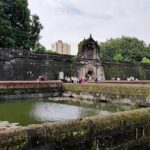
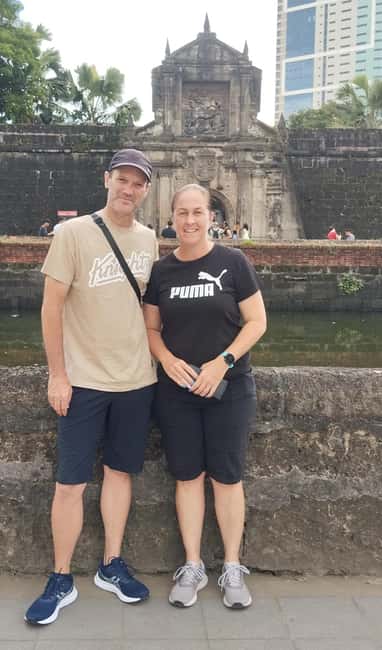
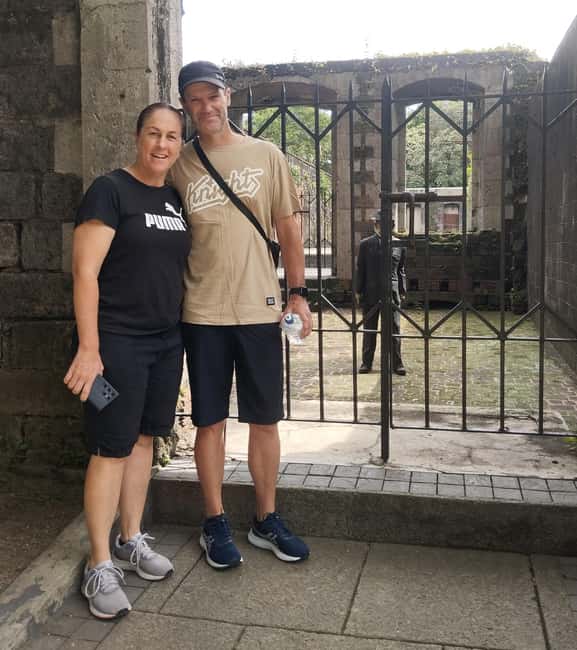
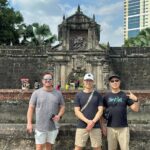
Intramuros is the clearest starting point for understanding Manila’s colonial past. Its walls once protected the Spanish settlement, and the tour takes you through the old district’s forts, dungeons, and defensive structures.
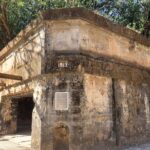
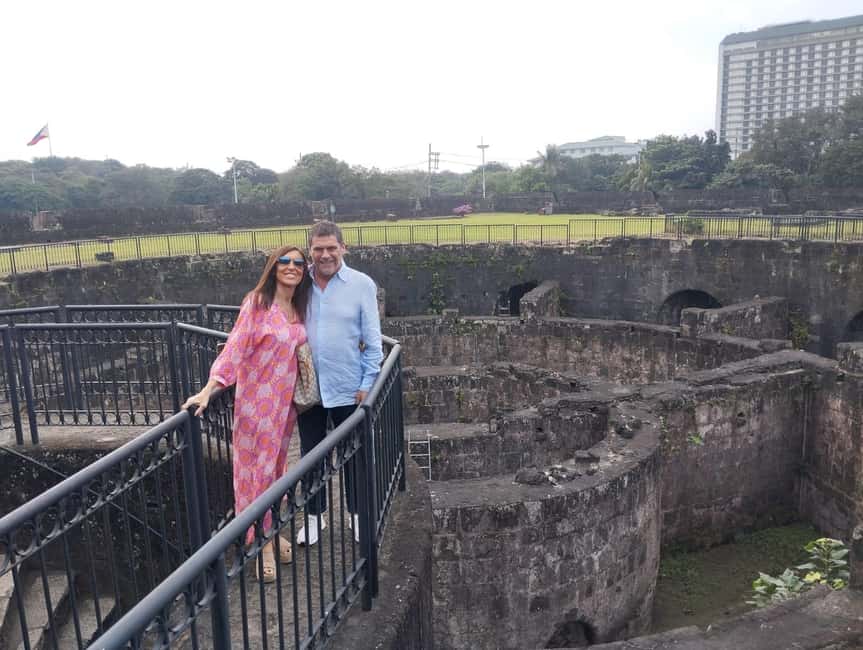
I like this part because the walls give history a physical shape. Instead of hearing only about Spanish rule, you can see the enclosed urban design and the military features that guarded the settlement. Baluarte de San Diego adds another strong visual stop, since this former watchtower looked out toward Manila Bay and formed part of the city’s defenses.
The word baluarte refers to a fortified bastion. You do not need a military background to appreciate the site. The thick masonry and strategic position help explain why Intramuros was built as a separate, protected town rather than simply another Manila neighborhood.
The tour includes entry to Intramuros and Baluarte de San Diego. That is important for value, since you are not only passing the walls from a vehicle. Still, keep your expectations practical. Four hours must also include travel between districts, so the amount of time spent at each fort or wall section may be limited.
Bring shoes that can handle a moderate amount of walking. A hat and sunscreen are sensible, especially when you are outside near exposed walls. Manila heat can make even a short walk feel longer, and water is not included.
San Agustin Church and the Spanish colonial setting
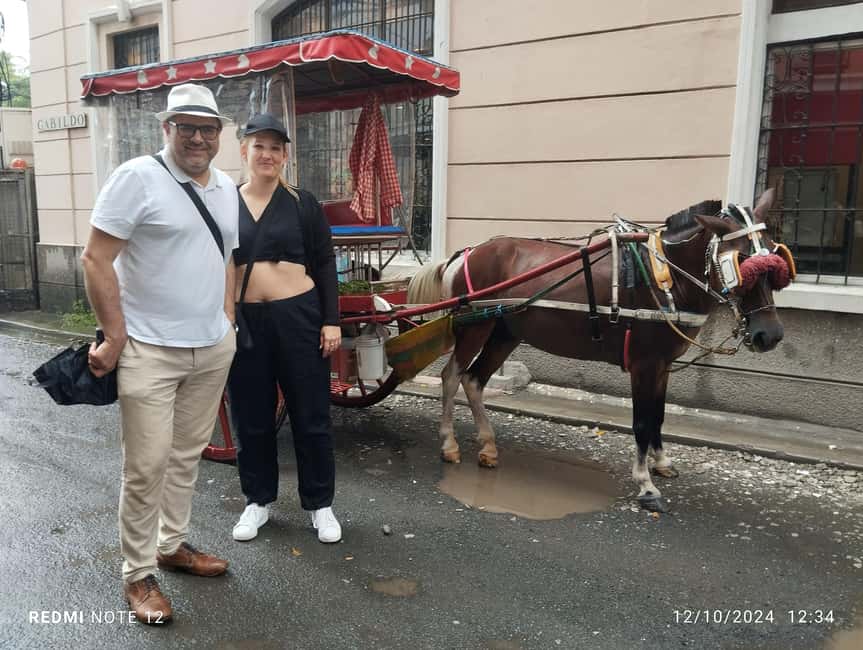
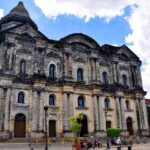
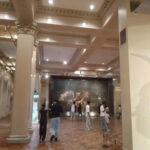
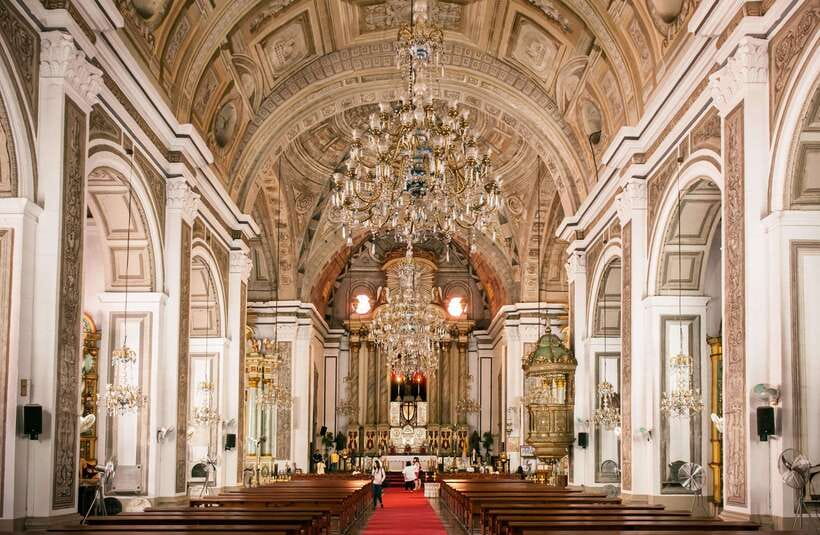
San Agustin Church is one of the strongest stops on the route. It is a UNESCO World Heritage Site and one of the key historic churches in the country. Admission is included, so you can enter rather than simply photograph the exterior.
For me, the value of this stop comes from the contrast between religious purpose and colonial design. The church is part of the broader Intramuros story, but it also offers a quieter change of pace from the walls and streets. Your guide can connect the church to the Spanish period and explain why it matters within Manila’s national story.
You should follow the no-flash rule inside. Flash photography is not allowed, and that protects the interior and respects the character of the church as a working religious place rather than only a sightseeing stop.
The tour does not promise a long architectural lecture or an extended religious program. If church art is your main interest, you may want more time than this half-day route provides. If your goal is to get a well-chosen introduction, San Agustin gives you a strong anchor.
Casa Manila Museum and the feel of old domestic life
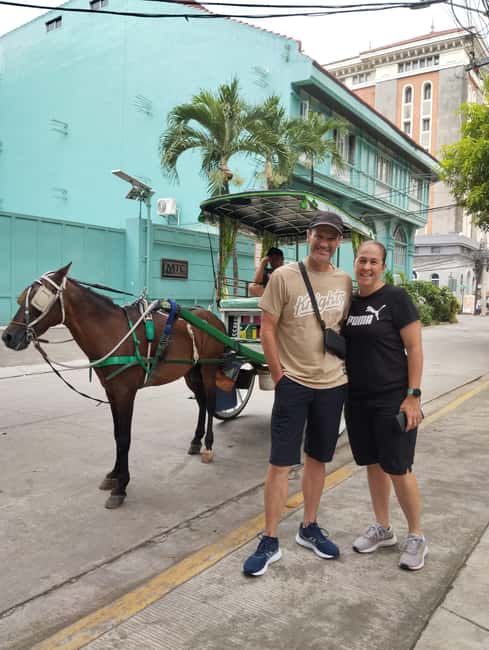
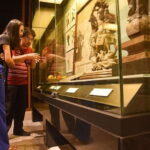
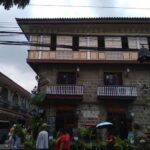
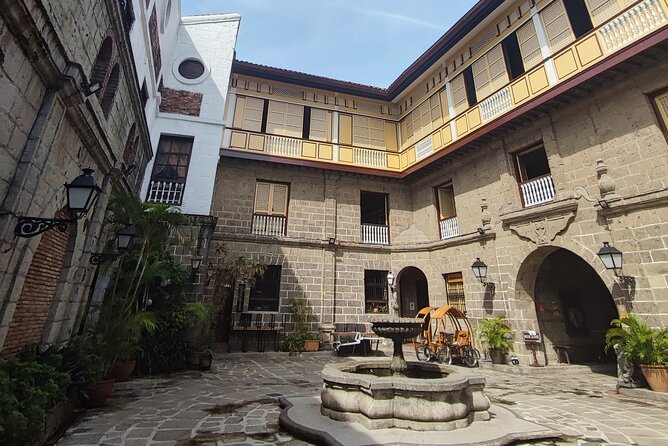
Casa Manila Museum offers a different view of the Spanish period. Rather than focusing on walls, weapons, or church history, it presents replicas of traditional Spanish-era houses and interiors.
That change matters. A fort tells you how a city defended itself. A historic house helps you think about how people lived, arranged rooms, and displayed household goods. The museum can make the colonial period feel more personal and easier to picture.
I would pay attention to the contrast between public and private spaces here. Intramuros was not only a military or religious center. It was also a place of homes, families, commerce, and social rules. Casa Manila helps fill in that everyday side.
As with San Agustin, the visit is part of a compact route. You will not have unlimited time to inspect every room. Listen for the details your guide chooses to explain, especially if you want a clearer link between the replica house and the wider Spanish influence on Manila.
Manila Cathedral, the country’s main church
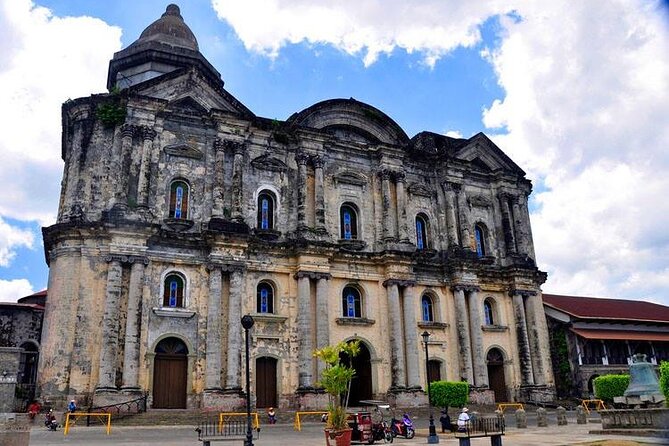
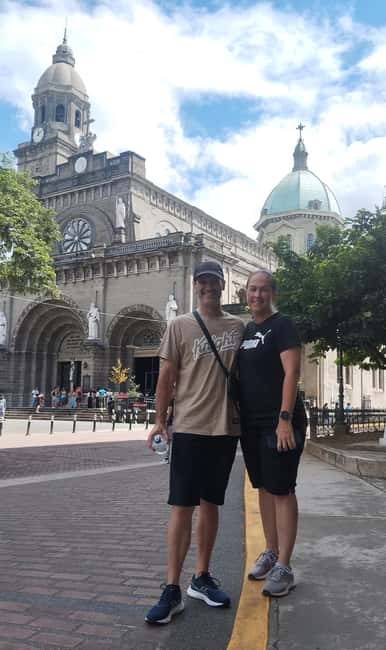
The Manila Cathedral adds another major religious landmark to the Intramuros section. It is presented as the main church of the country, making it an important stop even if you are not specifically seeking church architecture.
I like the way the tour places Manila Cathedral near San Agustin Church. Seeing both gives you a useful comparison within the same historic district. You can consider how different churches function within the city’s religious and civic life, while your guide explains their place in Filipino history.
The available information does not promise a particular service, special access, or extended interior visit. Treat it as a guided sightseeing stop and follow any instructions in force at the church. Modest, respectful clothing is a sensible choice for religious sites.




Baluarte de San Diego and Manila Bay
Baluarte de San Diego is one of the tour’s most memorable outdoor stops. The former watchtower looked toward Manila Bay, and its position helps connect the old city to the water that shaped Manila’s trade and defense.
The tour also passes through the famous Manila Bay area. This is a drive-by portion rather than a promised long waterfront stop, so do not book the experience expecting a sunset cruise or extended time along the shore. Still, the bay adds useful context to the city’s location and its long connection with maritime activity.
This section is also a good reason to keep your camera ready. The tour specifically recommends bringing one, although you must avoid flash photography where prohibited. Conditions in the city can change quickly, so a camera phone may be the easiest option.
Binondo, Chinese Manila, and local handicrafts
The route continues to Binondo, described as the first Chinatown in the world. This gives the tour a welcome shift away from Spanish colonial sites and toward Manila’s Chinese cultural and commercial connections.
I find this important because Manila’s story is not only Spanish. Binondo brings another part of the city into view and helps you see how different communities shaped its trade, food, customs, and daily life. The tour offers a chance to look for local handicrafts, including woodcarving, weaving, coral, pearls, and seashell items.
Shopping is optional, and purchases are not included in the $71 price. I would treat this as a chance to browse rather than a promise of a dedicated shopping session. If you want souvenirs, ask Marvin about the items, their materials, and the practical details before buying.
Because the tour covers Binondo along with several other areas, you may only have a short opportunity to look around. That is fine if you want an introduction. It is less suitable if your main goal is a long food crawl or serious souvenir shopping.
Makati and the contrast with old Manila
The visit through Makati City gives the tour its present-day counterpoint. Makati is Manila’s central business district, and passing through it shows the modern side of the capital after the older streets of Intramuros and Binondo.
The value here is comparison. In one morning or afternoon, you can move from fortified colonial streets to commercial neighborhoods and modern office districts. That makes the tour especially useful at the beginning of a Manila visit, when you are still trying to understand the city’s scale and different identities.
The wording indicates that you pass through Makati rather than take part in a long walking tour there. Expect a city overview, not a detailed visit to individual buildings or shopping centers. Traffic can also affect how much time you spend at each stop, although the route is designed to cover the main areas within four hours.
Marvin’s guiding style and the private format

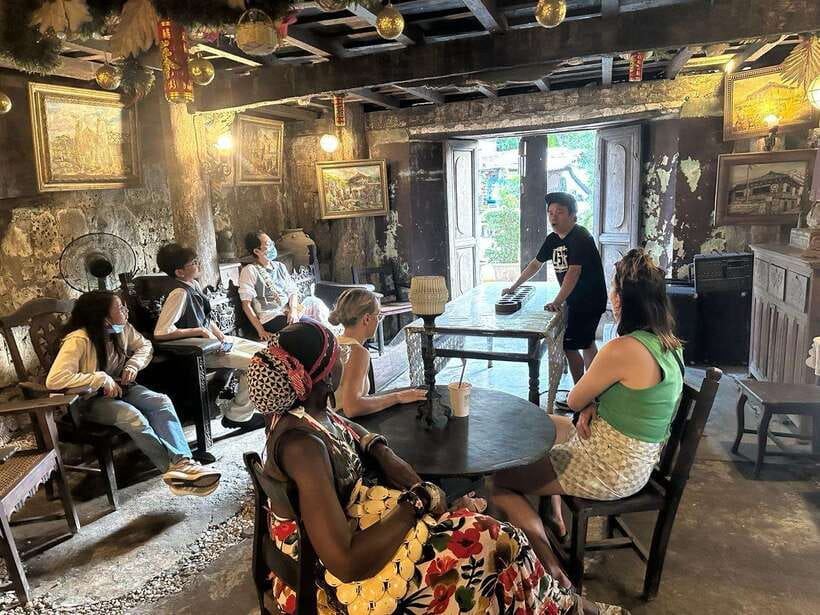
Marvin receives the strongest praise attached to this experience. He is described as an excellent host, polite, personable, flexible, and highly informative. The most useful point for you is not simply that he knows the sights. He also explains Filipino lifestyle, customs, typical food, city investment, and the difference between old and new Manila.
That broader conversation can make a major difference. A guide who only recites dates gives you facts. A guide who can answer questions about local habits and daily life helps you place those facts in context.
The private group format should also make the outing more personal than a large coach tour. You can ask follow-up questions, spend more attention on the sites that interest you, and discuss nearby options if time allows. A past participant also found Marvin flexible when adjacent interests came up, but you should not assume every extra stop is guaranteed. The listed route remains the basis of the four hours.
Pickup is included from a place you choose, according to the activity details. Confirm the pickup point and starting time when you book, since availability controls the schedule. The tour is conducted in English.
Walking, heat, and practical limits
The tour involves a moderate amount of walking, even though transportation connects the districts. Wear comfortable shoes, carry water, and use sunscreen. A hat is useful for outdoor areas such as the fortifications and walls.
The activity notes say it is not suitable for pregnant women or people with back problems. The wheelchair information is inconsistent: one section says wheelchair accessible, while another says not suitable for wheelchair users. I would contact the provider before paying if mobility access matters to you, and ask specifically about the vehicle, wall surfaces, church entrances, museum access, and walking distance.
Smoking is not allowed. Flash photography is also prohibited. Meals and beverages are not included, so plan to eat before or after the tour unless you arrange food separately.
Free cancellation is available up to 24 hours before the experience for a full refund. You can also reserve now and pay later, which helps if your Manila schedule is still changing.
Who should book this Manila tour?
I would recommend it most strongly to first-time visitors who want a guided introduction in a short block of time. It suits couples, families, and small private groups that prefer asking questions instead of following a large crowd.
It is also a good fit if you want more than a list of famous buildings. Marvin’s explanations of customs, food, city growth, and Filipino life add useful local context to the historic stops.
I would be more cautious if you want a slow, specialist visit. Four hours is not enough for an in-depth study of every church, museum room, fortification, and market street. Serious shoppers may also prefer a dedicated Binondo outing, while visitors focused only on modern Manila may find the long Intramuros section less relevant.
At $71 per person, the tour offers fair value when you want private transport or pickup, a guide, and several included admissions in one compact experience. The value is less clear for someone who already knows Manila well or only wants to see one district.
Should you book Streets of Manila: Historical and Present Day?
Book this tour if you want to get your bearings quickly and understand how Manila’s Spanish, Chinese, religious, commercial, and modern sides fit together. Intramuros, San Agustin Church, Casa Manila, Manila Cathedral, Baluarte de San Diego, Binondo, Manila Bay, and Makati make a strong four-hour outline.
I would book it early in a Manila stay, then return later to whichever area catches your interest. Choose it for structure, local explanation, and private attention. Skip it if you prefer unhurried museum visits, long food stops, or independent wandering. Before booking, confirm the accessibility issue and pickup details, then bring water, sunscreen, and shoes made for walking.
FAQ
How long does the Streets of Manila tour last?
The tour lasts four hours. Starting times depend on availability.
What language does the guide speak?
The live tour guide speaks English.
Is pickup included?
Yes. Pickup is included from a place you choose, according to the activity details.
What admissions are included?
Admission to Intramuros, San Agustin Church, and Baluarte de San Diego is included. The tour also includes visits to Manila Cathedral and Casa Manila.
Are meals and drinks included?
No. Meals and beverages are not included. Souvenirs and personal expenses are also separate.
What should I bring?
Bring comfortable walking shoes, a camera, sunscreen, a hat, and your own water. Smoking and flash photography are not allowed.