Intramuros, Manila Chinatown and Tondo Manila Day Tour
Old Manila tells three very different stories. This three-hour tour links Tondo, Binondo, and Intramuros, moving from everyday neighborhood life to Chinese-Filipino traditions and Spanish colonial landmarks. I like the route because it gives you a broader picture of Manila than a stop at Intramuros alone, and I like that the small group is capped at 12 people. The main drawback is the price: at $75 per person, the tour needs a strong guide and good pacing to feel worthwhile.
I also like the human side of the experience. Guides such as Floyd, Venus, and Jane have been praised for their friendly manner, clear explanations, and willingness to answer questions. Still, Tondo can feel confronting, especially when poverty becomes part of the sightseeing. You should book this tour only if you want an honest look at Manila’s contrasts, not a polished city highlights ride.
In This Review
- Key points to know before booking
- Three hours, three sides of Manila
- Tondo Market: Manila beyond the postcard
- Binondo and Ongpin Street: food, faith, and Chinese-Filipino identity
- Fort Santiago and Intramuros: the historic finish
- What the guides add to the experience
- Is $75 a fair price for three hours?
- Timing, group size, and practical details
- Who will enjoy this Manila tour?
- Should you book the Tondo, Binondo, and Intramuros tour?
- FAQ
- How long does the tour last?
- Where does the tour begin?
- Where does the tour end?
- Is Fort Santiago admission included?
- How many people can join the tour?
- Does the tour include food?
- Can I cancel for a full refund?
Key points to know before booking
- Tondo comes first: You begin at Tondo Market, among produce, seafood, local food stalls, and daily neighborhood activity.
- Binondo is the food and culture stop: Ongpin Street, Binondo Church, and Filipino-Chinese landmarks fill the middle hour.
- Intramuros provides the grand finale: The tour ends at Fort Santiago Plaza, with Fort Santiago and the Manila Cathedral area as the historic focus.
- The group is limited to 12: That is small enough for questions and closer contact with your guide.
- Guides are a major strength: Floyd, Venus, and Jane receive especially warm praise for their kindness and storytelling.
- The tour costs $75: That is a premium for three hours, so its value depends heavily on the guide and how much you enjoy local street life.
Three hours, three sides of Manila
This is not a tour built around one famous sight. It is a fast cross-section of Manila, with each hour offering a different mood and subject.
You start in Tondo, one of Manila’s oldest districts, then continue to Binondo, widely recognized as the world’s oldest Chinatown, founded in 1594. The final stop is Intramuros, the old walled city shaped by Spanish colonial rule. The order works well because the tour moves from present-day community life to cultural exchange and then to formal monuments.
I would think of it as an orientation tour rather than a full historical study. Three hours is enough to give you context and help you decide where to return later, but it is not enough for long visits, extended meals, or a leisurely look at every landmark.
The experience uses a mobile ticket, and confirmation is provided when you book. The meeting point is in Tondo, while the tour ends at Fort Santiago Plaza in Intramuros. That one-way route matters: you finish in a central historic area rather than returning to the starting point.
You can also read our reviews of more tours and experiences in Luzon.


Tondo Market: Manila beyond the postcard
The first hour takes you through Tondo Market. This is the most unusual part of the route, and also the part that requires the most thoughtful expectations.
You can expect narrow market lanes lined with stalls selling fresh produce, seafood, and local delicacies. The point is not simply to look at a market. Your guide helps explain how the district works and how ordinary Manila life unfolds away from the grand churches and colonial walls.
I like this opening because it gives the tour some substance right away. You see a working neighborhood rather than beginning with a monument that has already been cleaned and framed for visitors. The colors, smells, sounds, and close quarters can make Tondo memorable, but they can also make the hour feel intense.
You should also be aware of the ethical question. One person who took the tour felt uncomfortable with the way poverty was presented, particularly when the guide described the area in terms of its hardship. That concern is worth taking seriously. A visit to a low-income neighborhood should be handled with respect, and you should avoid treating homes, residents, or difficult circumstances as entertainment.
The best approach is to listen, stay observant, and follow your guide’s instructions about photography. If you want a glossy introduction to Manila, Tondo may not suit you. If you want to understand the city as a lived-in place, this stop adds something that a standard sightseeing loop often misses.
Tondo is also where the quality of the guide matters most. A good guide can provide context without turning people into a display. The positive comments about Floyd, Venus, and Jane suggest that the operator has guides who can make personal connections, but the experience may still vary depending on who leads your group.
Binondo and Ongpin Street: food, faith, and Chinese-Filipino identity
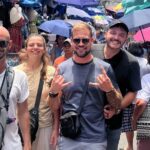
The second hour shifts to Binondo, Manila’s Chinatown. Established in 1594, Binondo is one of the tour’s strongest historical anchors, but its appeal is not only its age.
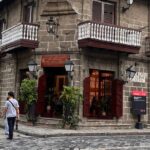
The route includes Ongpin Street, where shops, food businesses, and street activity show the long relationship between Chinese and Filipino communities. You may also visit Binondo Church and the Filipino-Chinese landmarks in the area. This is a useful place to see culture as something lived and practiced, not simply preserved behind glass.
Food is part of the attraction. The tour description points to local cuisine and culinary delights, and one highly positive account specifically mentions sampling food while walking through Chinatown. Because the supplied details do not name particular dishes or promise a fixed tasting menu, you should not assume that a full meal is included. Still, the area gives your guide plenty to explain and gives you a chance to connect history with what is being sold and eaten around you.
I like Binondo as the middle section because it bridges the first and last stops. Tondo shows neighborhood life, while Intramuros presents monumental history. Binondo sits between those ideas, with commerce, religion, family traditions, and food all sharing the same streets.
The limitation is time. One hour can pass quickly in Chinatown, especially if you stop for food, photographs, or questions. You will get an introduction rather than a full culinary tour. If your main goal is to eat your way through Binondo, a separate food-focused outing may offer more time and flexibility.
For first-time visitors, this stop can also help explain why Manila cannot be reduced to one colonial story. The city’s past includes Spanish rule, local communities, Chinese migration, trade, religion, and modern urban life. Binondo makes those connections visible in a compact area.
Fort Santiago and Intramuros: the historic finish
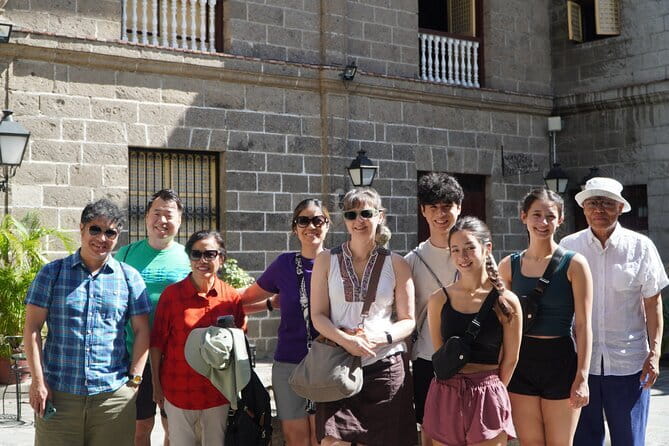
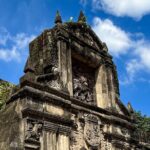
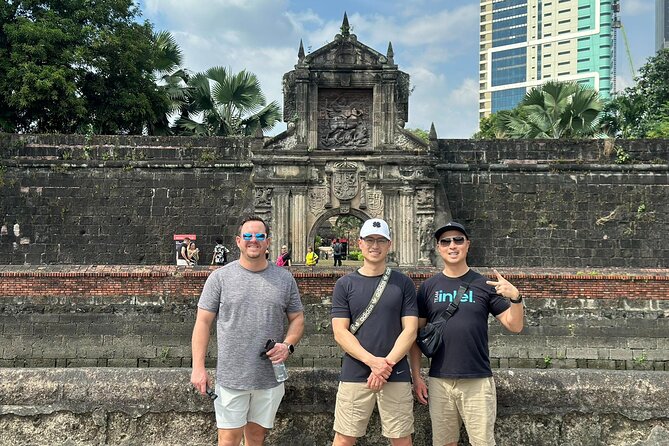
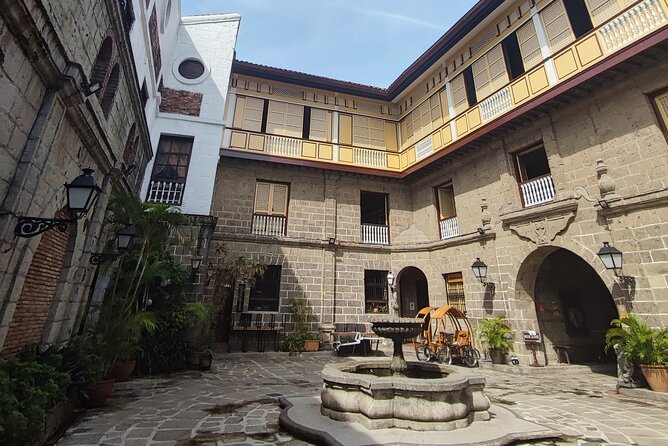
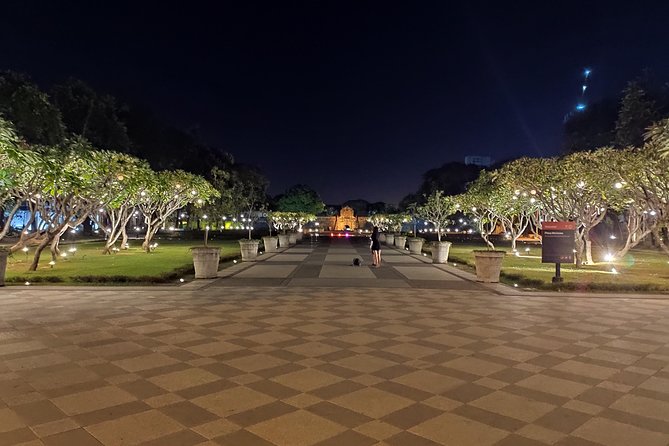
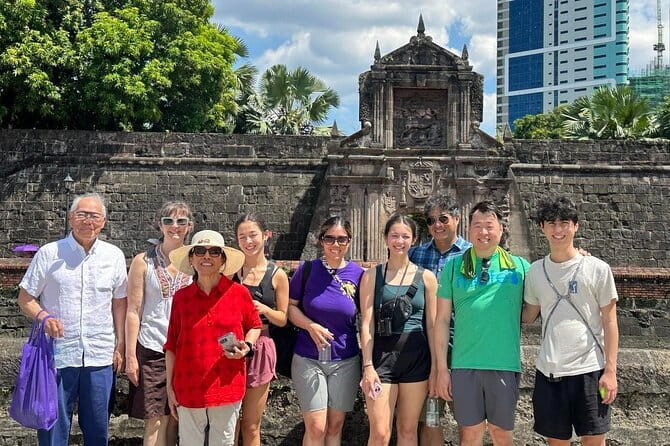
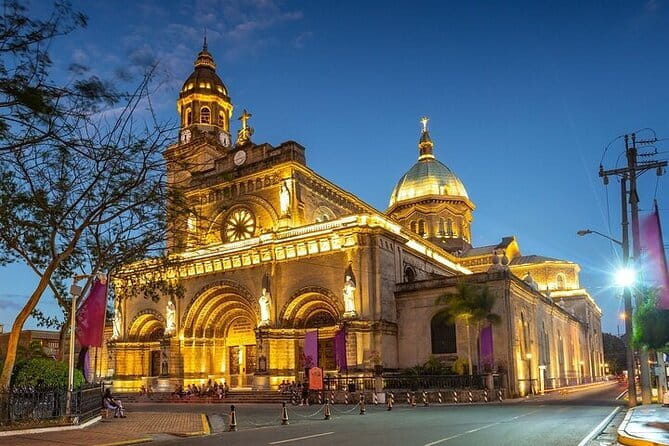
The final hour takes you into Intramuros, Manila’s old walled city. The tour ends at Fort Santiago Plaza, and Fort Santiago is the main included admission site. The route also highlights the Manila Cathedral and the area’s old architecture.
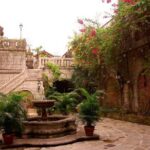
After the crowded energy of Tondo and Binondo, Intramuros feels more formal and composed. Its walls, churches, plazas, and colonial buildings create a strong visual change. This is likely the easiest part of the tour for visitors who want classic sightseeing photographs, but it has more weight than a simple photo stop.
Fort Santiago gives the closing hour a clear focus. It is a major historic site within Intramuros, and the included admission means you are not paying an additional entry fee for the fort during the tour. The Manila Cathedral adds another important landmark, although the information provided does not specify how long you spend inside or whether a full interior visit is guaranteed.
I like ending here because the walls provide a useful framework for everything you have seen earlier. You have just walked through modern neighborhoods and a long-standing Chinatown. Now you reach a place shaped by colonial power and military history. The contrast is the point.
Do not expect to explore every corner of Intramuros in this final hour. The tour is designed as a short introduction to the district, not a complete day inside the walls. If you want extended time at Fort Santiago, a slower look at churches, or a separate visit to more Intramuros sites, plan another visit.
What the guides add to the experience
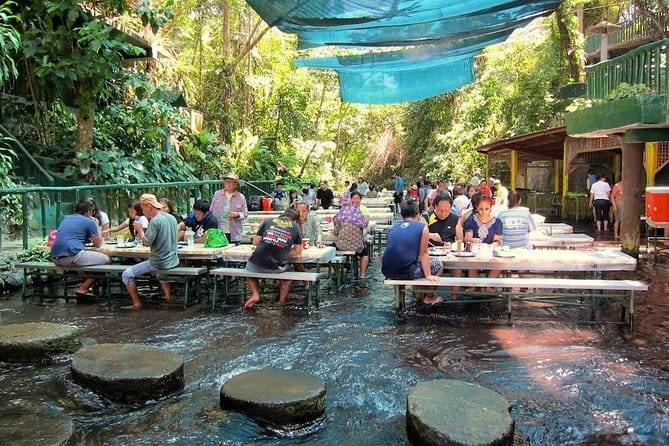
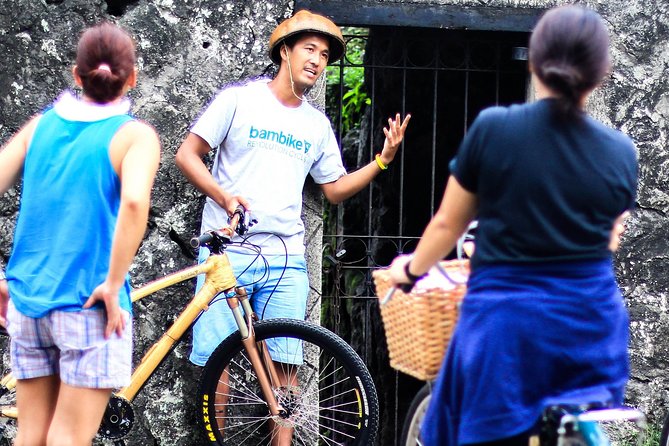
The most consistent strength is the guiding. Floyd is praised for his enthusiasm, his answers to questions, and his ability to explain Manila’s culture and past. Venus and Jane are also described as warm, informative, and easy to find at the meeting point.
That matters here more than it would on a simple attraction ticket. Tondo and Binondo need explanation. Without a guide, you could walk through the market and Chinatown, see plenty, and still miss the connections between the places. In Intramuros, a guide can help turn old walls and churches into a story rather than a series of buildings.
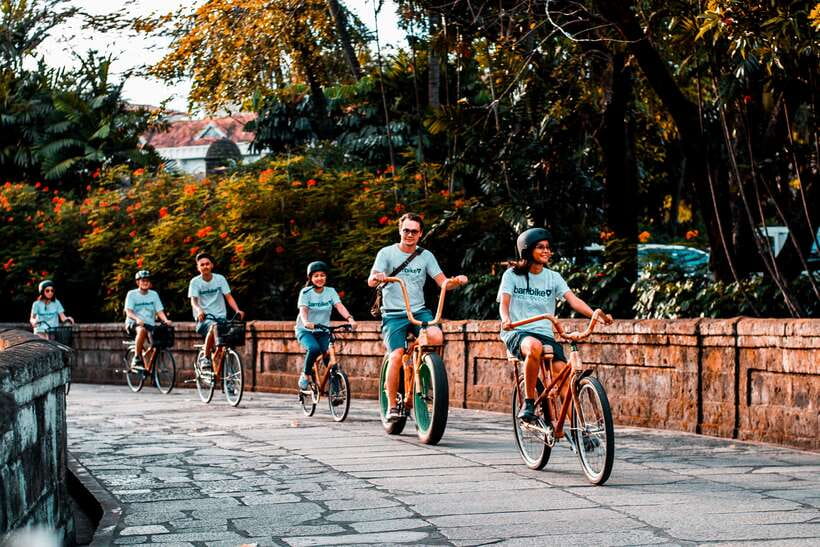
A small group of no more than 12 people is another plus. You should have a better chance to hear the guide and ask questions than you would on a large coach tour. It also allows the group to move through narrow streets more easily.
The guide’s style may shape your experience. Some people want a personal, conversational tour, and the warm comments about Floyd, Venus, and Jane suggest that this is part of the operator’s strength. Others prefer a tightly scripted historical tour with exact timings. This experience appears better suited to the first group.


Is $75 a fair price for three hours?

The $75 price is not cheap for a three-hour Manila tour. The two walking stops in Tondo and Binondo list free admission, while Fort Santiago admission is included. You are therefore paying mainly for the guide, organization, access to a small group, and the convenience of linking three districts in one outing.
I think the value is reasonable if you are short on time and want a local introduction without planning the route yourself. The tour connects places that feel very different, and that range is difficult to reproduce efficiently on your own in only three hours.
The value is weaker if you mainly want to see Intramuros. In that case, you are paying for the Tondo and Binondo sections even if markets and local neighborhood life are not your priorities. You may get more from the tour if you approach it as an introduction to Manila as a whole, not as an Intramuros ticket with two brief additions.
Food costs should also be treated separately unless your booking details clearly state otherwise. Culinary stops are part of the Chinatown experience, but the available information does not specify included tastings or a meal.
Timing, group size, and practical details
The tour lasts about three hours. Since each stop is allocated roughly one hour, the schedule is compact. I would wear comfortable shoes and expect to spend the time walking through market and city streets, although the provided details do not give a precise walking distance or transportation plan.
You start in Tondo and finish at Fort Santiago Plaza in Intramuros. That makes the tour useful if you want to continue sightseeing in Intramuros afterward, but less convenient if you need to return to your original starting point immediately.
Most people can participate, according to the supplied information, and the group maximum is 12. No detailed accessibility information is provided, so you should ask the operator directly if you have mobility concerns or need specific arrangements.
The tour has free cancellation up to 24 hours before the start time. Cancellations or changes made inside that window are not accepted for a refund. One important caution comes from a reported last-minute cancellation blamed on weather, so I would avoid scheduling an essential airport transfer or fixed appointment immediately after the tour.
The tour is usually booked about 21 days ahead. That does not guarantee that every date sells out, but it suggests that early planning is sensible, especially if you want a particular morning or guide availability.
Who will enjoy this Manila tour?
I would recommend it most strongly to first-time visitors who want a quick but meaningful introduction to several sides of the city. It suits you if you enjoy markets, street food, local neighborhoods, and historic buildings in the same outing.
It is also a good fit if you want a small group and prefer asking questions as you go. The positive comments about Floyd, Venus, and Jane are encouraging for anyone who values a friendly guide rather than a purely scripted presentation.
You may want to skip it if you dislike crowded markets, feel uncomfortable visiting areas marked by poverty, or want a slow tour of Intramuros alone. The schedule is too short for lingering, and the contrast between Tondo and the colonial district can feel abrupt.
Families and older participants should consider the walking conditions and ask about accessibility before booking. The information says most people can take part, but it does not describe seating, surfaces, rest breaks, or transport between stops.
Should you book the Tondo, Binondo, and Intramuros tour?
Book it if you want Manila in three distinct chapters: a working market district, the city’s historic Chinatown, and the Spanish-era walled city. The route is unusual, the group is small, and the guides praised by name, especially Floyd, Venus, and Jane, appear to be the experience’s strongest asset.
Think carefully before booking if you expect a polished sightseeing product or a full meal. At $75, the tour is worth it for context, personal guiding, and efficient coverage, not for admission tickets alone.
My advice is simple: choose this tour when you want to see more than Manila’s postcard side, and arrive with an open mind about Tondo. If you want only grand architecture and a relaxed pace, spend your time in Intramuros instead.
FAQ
How long does the tour last?
The tour lasts approximately three hours, with about one hour assigned to Tondo, one hour to Binondo, and one hour to Intramuros.
Where does the tour begin?
The meeting point is in Tondo, Manila, Metro Manila, Philippines.
Where does the tour end?
The tour ends at Fort Santiago Plaza in Intramuros, Manila.
Is Fort Santiago admission included?
Yes. Admission to Fort Santiago is included. Tondo Market and the Binondo stop do not list an admission charge.
How many people can join the tour?
The group has a maximum of 12 people.
Does the tour include food?
The Chinatown portion includes local cuisine as part of the experience, and food sampling is described in the tour information. Specific dishes, tastings, or a full meal are not specified.
Can I cancel for a full refund?
Yes. You can cancel at least 24 hours before the experience start time for a full refund. Cancellations or changes made less than 24 hours before the start time are not accepted for a refund.