Manila: Binondo Chinatown Guided Walking Tour
Binondo rewards curiosity, appetite, and comfortable shoes. This two-hour tour brings you through Manila’s historic Chinatown, where Chinese and Filipino customs meet in old streets, food shops, markets, and aging buildings. I like the personal scale: groups are limited to 10, and guides such as Mari and Maria have earned praise for their warmth, local insight, and care with pacing. I also like that the tour is not only about eating. You get stories about Chinese merchants, old architecture, and everyday life alongside the food.
The main consideration is that food is not included in the $50 price. You should bring extra money if you want dumplings, noodles, desserts, coffee, or other tastings. The description also refers to a tuk-tuk adventure, while the experience and guest accounts focus mainly on walking, so confirm the exact transport and meeting point before you go. The listed location says Nueva Vizcaya, even though the tour is described in Binondo, Manila.
In This Review
- Key points at a glance
- Why Binondo makes a worthwhile Manila stop
- Starting with the streets, shops, and old buildings
- Following the story of Chinese merchants in the Philippines
- Eating your way through Chinese-Filipino food
- Why Mari gets such high marks
- Two hours, ten people, and the question of value
- The walking and tuk-tuk question
- Best for food lovers, first-time visitors, and curious walkers
- Practical tips before you go
- Should you book the Binondo walking tour?
- FAQ
- Where does this tour take place?
- How long is the Binondo tour?
- How much does the tour cost?
- Is food included in the price?
- What food might I try?
- Is a tuk-tuk ride included?
- What languages does the guide speak?
- How large is the group?
- Is the tour suitable for wheelchair users?
- Can I cancel for a refund?
Key points at a glance
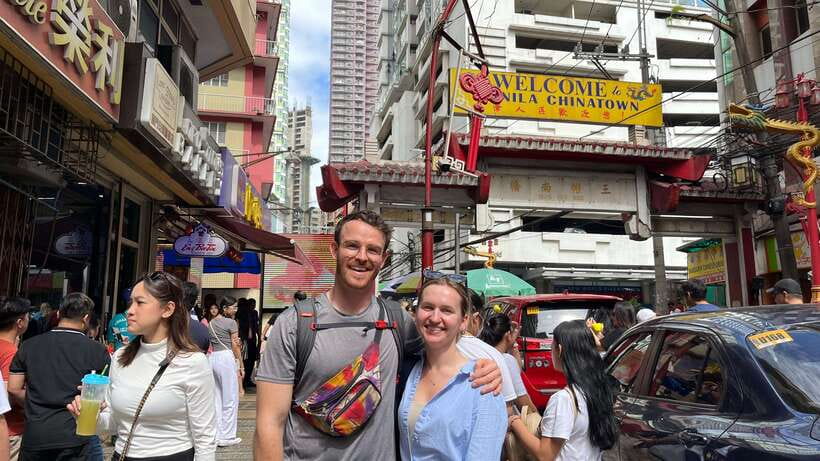
- A small group of up to 10: This gives the guide room to answer questions and adjust the walking pace.
- Food and history share equal billing: You see old buildings and learn about Chinese settlement while sampling Chinese-Filipino dishes.
- Mari receives especially strong praise: Her energy, food knowledge, photography, and care with guests come up repeatedly.
- Come hungry, but not too hungry: Dumplings, soup noodles, dessert, coffee, and cake may all feature, with tasting costs paid separately.
- Two hours can feel packed: Some outings last longer, but a standard two-hour session leaves little room for wandering.
- Walking comfort matters: The tour is not suitable for wheelchair users or people with heart problems.
Why Binondo makes a worthwhile Manila stop
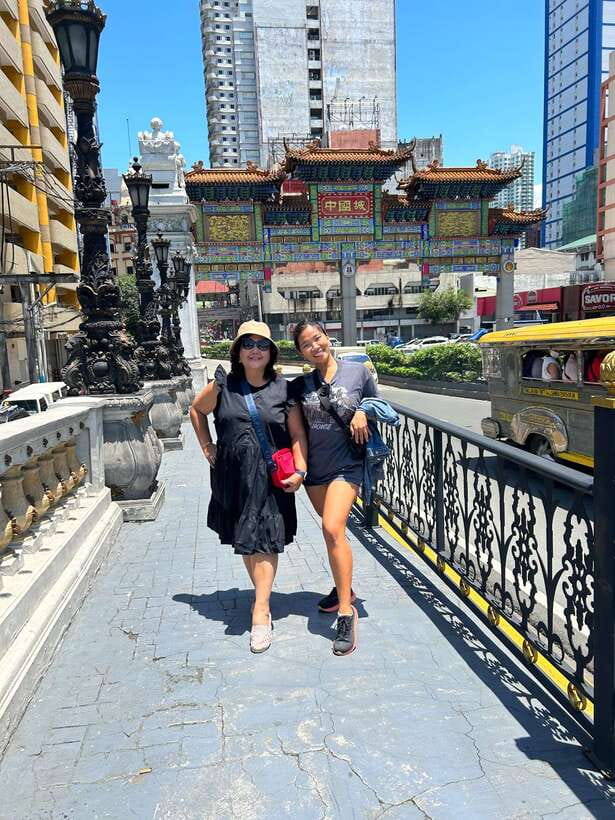
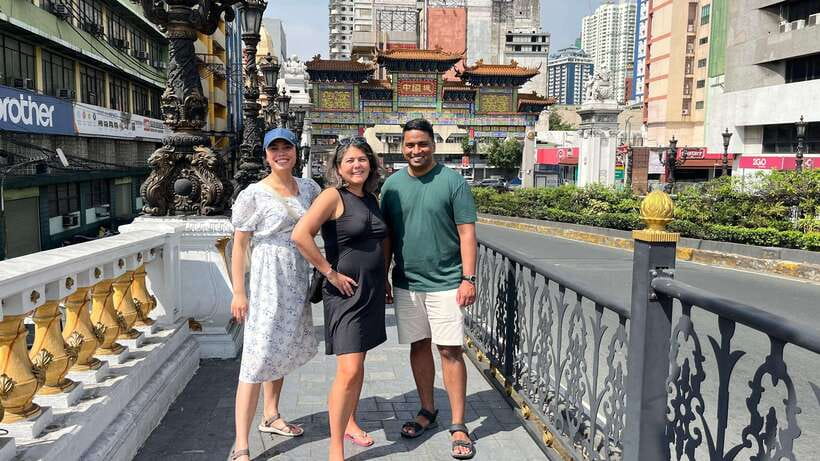
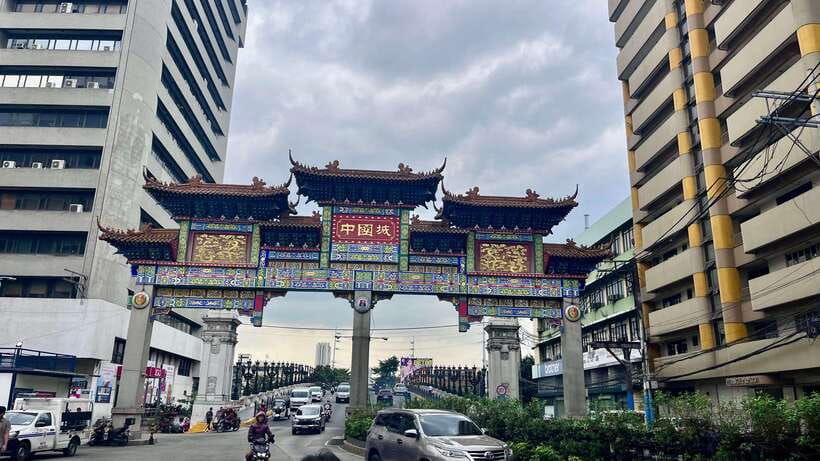
Binondo is not a polished theme park version of Chinatown. It is a working district with shops, food counters, narrow lanes, old facades, and the daily movement of Manila around you. That is the appeal. You are not simply looking at a monument, then getting back into a vehicle. You are seeing how a historic community functions now.
The district is widely described as one of the oldest Chinatowns in the world. A guide can make that fact useful by connecting it to the Chinese merchants who settled in the Philippines and helped shape local trade and food culture. The important point is not memorizing a date. It is understanding why Binondo feels Chinese, Filipino, Spanish-influenced, and thoroughly Manila all at once.
I like this kind of tour for a first visit because it gives you a clear introduction to a part of the city that can feel confusing on your own. Alleys, food stalls, old buildings, and markets are easier to appreciate when someone explains what you are seeing and directs you to places you might otherwise pass.
You can also read our reviews of more walking tours in Manila
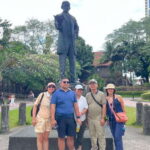
Starting with the streets, shops, and old buildings
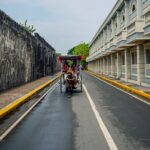
Expect the outing to begin on foot, with your guide leading you into Binondo’s streets and alleys. The route is described as a cultural walking tour, and the strongest accounts focus on walking rather than a long vehicle ride. The tuk-tuk wording suggests that a three-wheeled vehicle may be part of the wider experience, but the exact role is not clear from the available details.
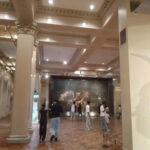
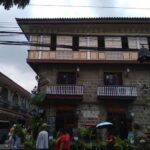
The first stretch is useful for getting your bearings. You can look at the mix of old buildings, shopfronts, signs, and street activity while your guide explains the district’s Chinese-Filipino character. This is where a local guide adds real value. Without context, an old facade is just an old facade. With a guide, you can begin to see how architecture, trade, migration, and food are tied together.
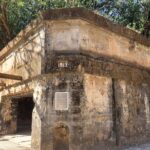
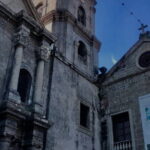
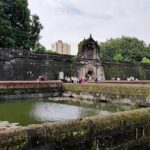
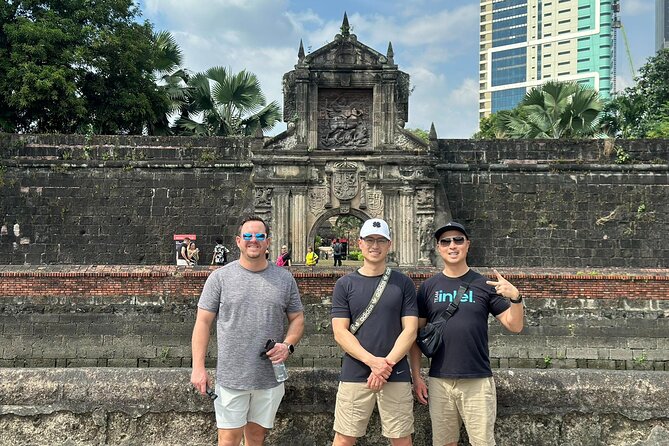
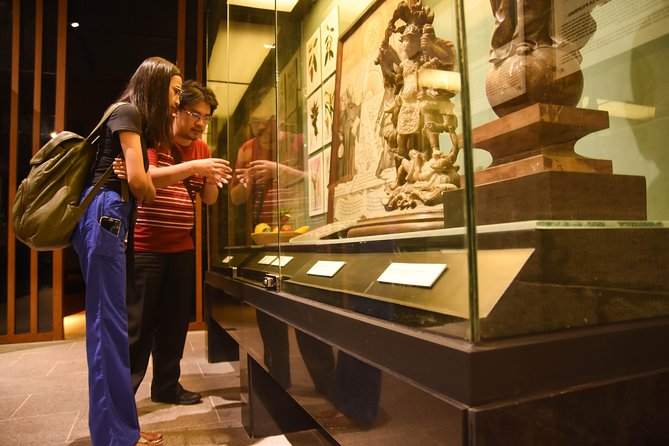
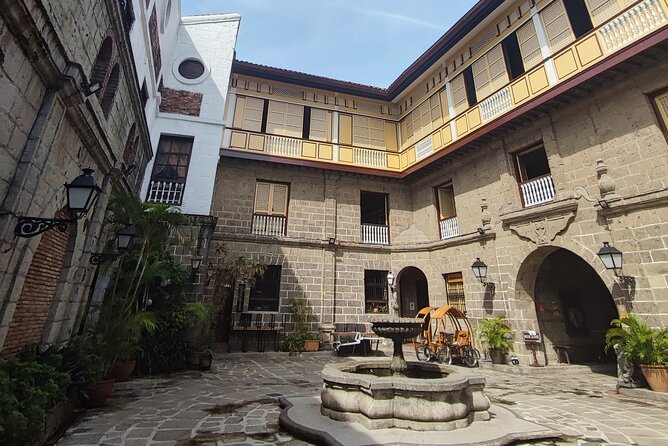
Several people especially enjoyed the old buildings and architecture, including structures connected with Spanish influence. Do not expect a formal architecture lecture. The strength here is informal explanation while you walk, with time to ask questions about the buildings and the people who used them.
The drawback is space and pace. Binondo’s streets are active, and a group walking together needs to stay alert. If you prefer a quiet, slow sightseeing tour, this will feel busy. If you enjoy street-level Manila, the movement is part of the experience.
Following the story of Chinese merchants in the Philippines
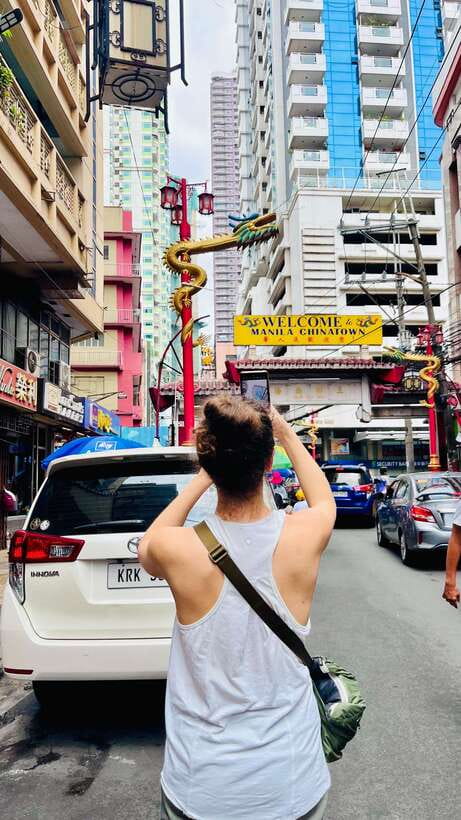
A central theme is the story of Chinese settlers and merchants in the Philippines. This gives the tour more substance than a simple restaurant crawl. You learn how a Chinese community took root in Manila and how its traditions developed alongside Filipino life.
The guide’s role is important here. Mari is praised for explaining history clearly while keeping the mood friendly and relaxed. Maria is also described as a strong guide who knew her subject and handled the group professionally. The available accounts use the names Mari, Maria, and Mary, so your guide may be identified by one of these names depending on the booking.
I particularly like that this history is delivered in the streets where the community is still visible. You are not separated from local life by a museum display. The story comes with shop signs, food, buildings, and conversations about modern Manila. Guides also answer questions about current culture and even pop culture, which can make the past feel connected to the city you are seeing today.
This is a good fit if you want historical background without spending several hours in a museum. It is less suitable if you want a detailed academic tour focused only on dates, religious buildings, or architectural analysis. The emphasis is broad and conversational.
Eating your way through Chinese-Filipino food
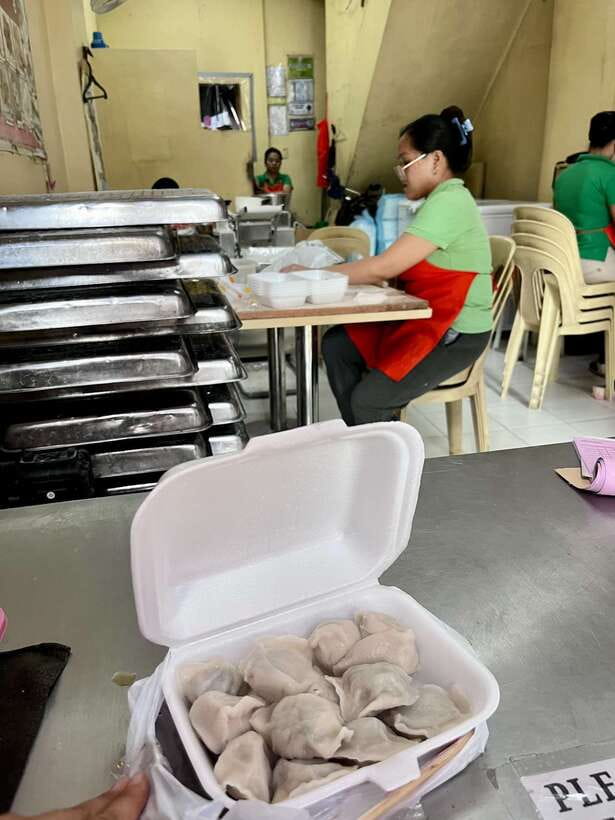
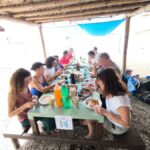
Food is likely the tour’s biggest draw. The guide may lead you to places serving dumplings, soup noodles, desserts, coffee, cake, and other Chinese-Filipino specialties. The exact dishes can vary, but the food accounts consistently praise the range and the chance to find places that are difficult to identify on your own.
This is where the $50 price needs a careful look. The tasting bill is not included, so you pay for food separately. That makes the tour more expensive than simply walking through Binondo and choosing a snack at random. In return, you get a guide who can point you toward established local spots, explain what to order, and help you avoid wasting time deciding among unfamiliar menus.
One useful detail is that the guide may help you avoid queues. That matters during a short two-hour outing. Every minute spent standing outside a crowded food shop is a minute lost from the neighborhood and its history.
You should not eat a full meal just before the tour. The food stops may add up quickly, and one person specifically advised starting with an empty stomach because there is much to try. At the same time, do not arrive unprepared for a substantial eating session. If you have dietary restrictions, allergies, or strong dislikes, tell the guide before ordering. The supplied information does not promise vegetarian, vegan, halal, or allergy-specific menus, so you should not assume those options are covered.
Food costs are described as affordable by one participant, especially for foreign visitors, but the exact amount depends on what you choose. Carry enough Philippine pesos for several small purchases, though the tour details do not state which payment methods each shop accepts.
Why Mari gets such high marks
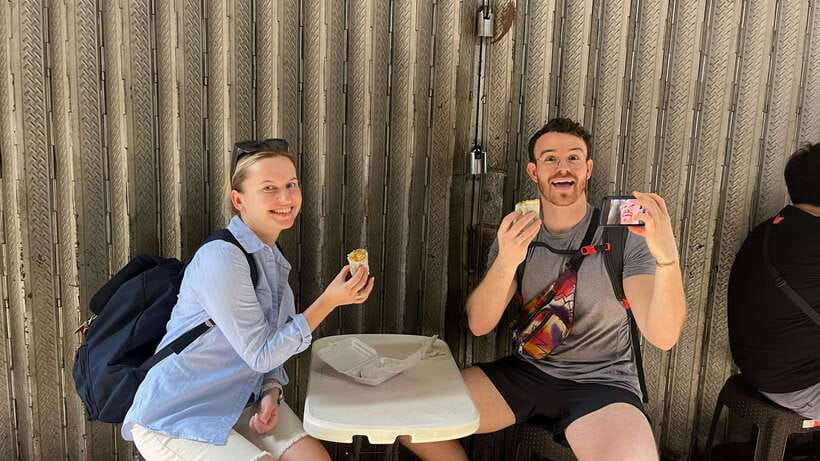
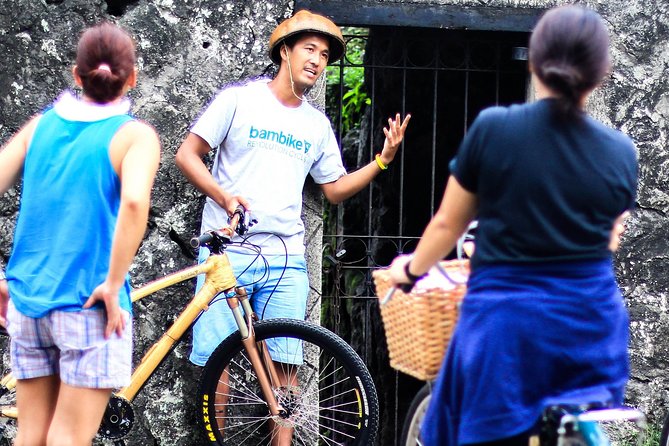
The strongest praise goes to the guides, especially Mari. She is described as cheerful, energetic, friendly, and passionate about Binondo. Those qualities matter because a food tour can become awkward if the guide rushes people through unfamiliar dishes or treats the history as filler between snacks.
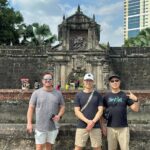
Mari’s strength seems to be balance. She can discuss local history, point out good food, take photographs, and keep conversation moving. Several people appreciated her willingness to take pictures, which is a small but valuable touch when your hands are occupied with food or you are traveling alone.
Her flexibility also matters. One account describes her accommodating a timing problem, while another praises her for adjusting the pace for older people. That suggests a more personal approach than a fixed script. You should still tell the operator about mobility concerns before booking, since wheelchair users are listed as unsuitable and people with heart problems are advised not to participate.
The guide’s personality will shape the experience. If you want complete independence, long stretches of quiet exploration, or control over every food choice, a guided group may feel restrictive. If you want help finding good stops and someone to explain the district as you go, the guide is the main reason to book.
You can also read our reviews of more guided tours in Manila



Two hours, ten people, and the question of value
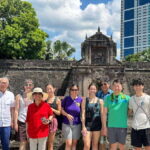
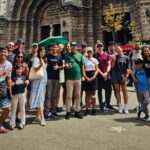
The advertised duration is two hours, with a maximum of 10 participants. That is a sensible group size for narrow streets and food counters. You are more likely to hear the guide, ask questions, and stay together than you would in a large coach group.
Two hours is enough for a focused introduction, not a full study of Binondo. The route can cover street scenes, old buildings, historical context, and several food stops, but you will not see everything. One outing ran longer than two hours, and the extra time was considered helpful because the schedule can feel tight.
I would treat the two-hour length as a useful sampler. It can show you which streets and dishes deserve a return visit later. If you want a relaxed meal at every stop, take photographs at length, and ask many history questions, you may find the schedule compressed.
At $50 per person, the value depends on how much independent research you want to do. The price covers a local guide and bottled water, not the food itself. You are paying for local orientation, historical explanation, food selection, and the convenience of moving from one worthwhile stop to the next.
For a solo visitor or first-time Manila guest, that can be fair value. You avoid spending your limited time guessing where to eat or missing the meaning behind the buildings. For a group already familiar with Binondo, the price may be harder to justify because you could simply walk and order food yourselves.
The walking and tuk-tuk question
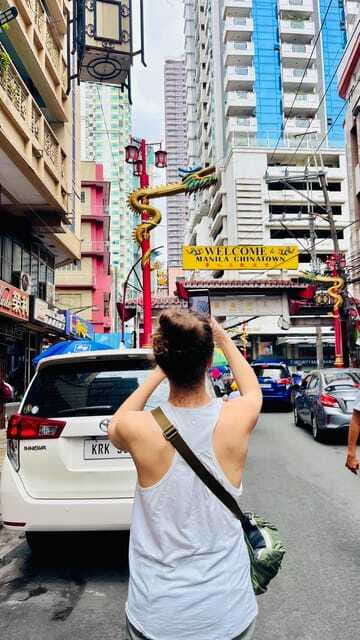
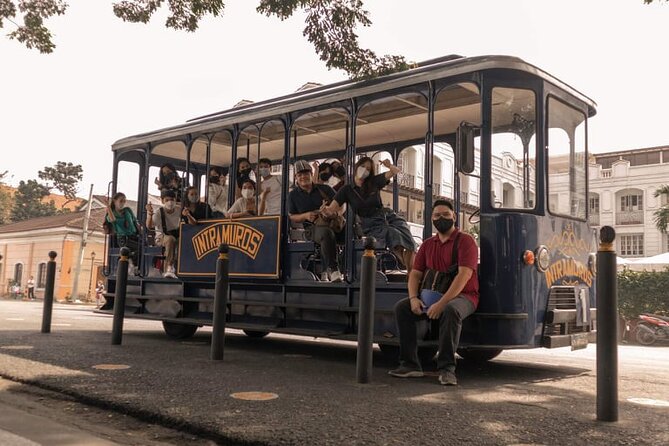
The experience description presents a tuk-tuk adventure using eco-friendly three-wheeled vehicles to explore Manila’s neighborhoods, markets, and landmarks. It also describes the Binondo activity as a guided walking tour, and the detailed accounts repeatedly describe walking through Chinatown.
That creates one practical uncertainty. I would not assume the tuk-tuk is guaranteed for the Binondo portion unless the operator confirms it. The included items list only a local guide and a bottle of water, not private transport or a tuk-tuk ride.
If a tuk-tuk is used, it could make the outing easier for anyone who finds Manila’s streets tiring. It could also provide a quick view of the district between stops. If the experience is mainly on foot, you should plan for uneven, crowded streets and bring comfortable shoes.
The tour is specifically not suitable for wheelchair users or people with heart problems. Even for other visitors with limited stamina, it is sensible to ask how much walking is expected and whether the guide can adjust the pace.
Best for food lovers, first-time visitors, and curious walkers
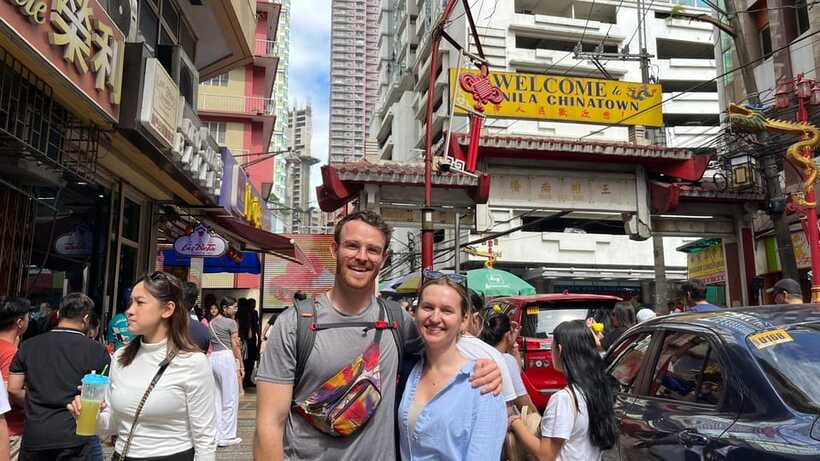
I would recommend this tour to a few clear types of people:
- You want an introduction to Binondo but do not know where to start.
- You enjoy trying several small dishes rather than sitting down for one long meal.
- You want history explained in plain language while you walk.
- You value a small group and direct access to a local guide.
- You are happy to pay separately for food tastings.
- You want help finding places you might not notice alone.
Families can enjoy it, and one parent and child had a good time with the food and sights. Older participants may also manage well if the guide can adjust the pace, though you should be realistic about the street conditions.
I would be less likely to recommend it if you need step-free access, have a heart condition, want a purely vehicle-based sightseeing trip, or are looking for a strict culinary class with food included in the booking price.
Practical tips before you go
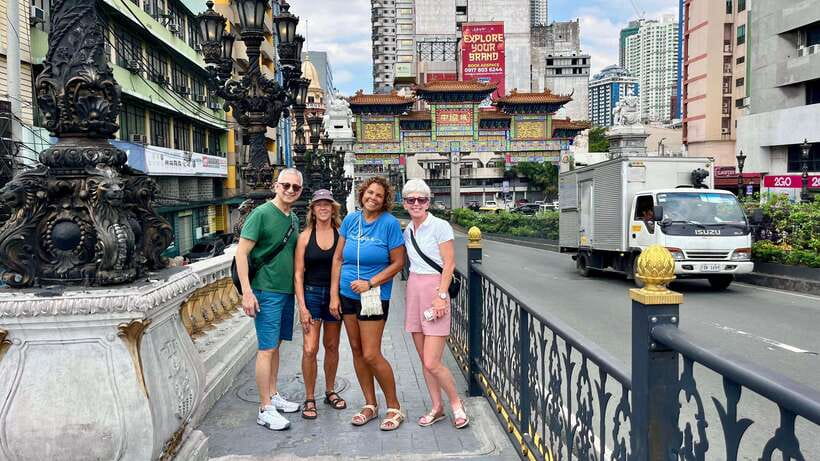
Wear shoes you can walk in for two hours. The route includes alleys and street-level areas, and you will enjoy it more if you are not thinking about sore feet.
Arrive hungry, but leave room for several small tastings rather than expecting one large meal. Food is extra, so set aside a separate budget for dumplings, noodles, desserts, coffee, or cake.
Ask the guide about the food plan at the start. This helps if you have allergies, dislike certain ingredients, or want to save room for a particular dish.
Bring a phone or camera. Mari is praised for taking photos, but it is still useful to have your own way to record the old buildings, signs, food, and streets.
Confirm two details before paying: the correct meeting point in Manila, since Nueva Vizcaya appears in the location information, and whether the tuk-tuk is part of your particular departure. These are small checks that can prevent a confusing start.
The tour is offered in English and Tagalog. Cancellation is free up to 24 hours before the start, and you can reserve now and pay later, which helps if your Manila schedule is still shifting.
Should you book the Binondo walking tour?
Book it if you want a guided introduction to Binondo with food, local stories, and old buildings in one compact outing. The strongest reason to choose it is the guide, especially Mari, whose energy, food judgment, photography, and care with pacing receive repeated praise.
The $50 price is reasonable when you value that local direction, but remember that every tasting costs extra. Confirm the location and transport details, come hungry, and expect a lively two-hour walk rather than a fully planned meal with all food included.
If that sounds like your kind of Manila afternoon, this tour offers a friendly way to make sense of Chinatown and leave with a short list of dishes and streets to explore again.
FAQ
Where does this tour take place?
The experience is described as a guided tour of Binondo Chinatown in Manila, Philippines. The supplied location field says Nueva Vizcaya, so confirm the exact meeting point before the tour.
How long is the Binondo tour?
The stated duration is two hours. Some outings may run longer, but you should plan around a two-hour schedule.
How much does the tour cost?
The listed price is $50 per person.
Is food included in the price?
No. Food tastings are not included, so you pay separately for dishes and drinks you choose during the tour.
What food might I try?
Food mentioned in the experience details and accounts includes dumplings, soup noodles, desserts, coffee, and cake. The exact selection can vary.
Is a tuk-tuk ride included?
The description refers to a tuk-tuk adventure, but the included items list only a local guide and bottled water. Confirm whether a tuk-tuk is included in your specific tour.
What languages does the guide speak?
The tour is offered in English and Tagalog.
How large is the group?
The tour is a small-group experience with no more than 10 participants.
Is the tour suitable for wheelchair users?
No. Wheelchair users are listed as unsuitable for this activity.
Can I cancel for a refund?
Yes. You can cancel up to 24 hours in advance for a full refund. You can also reserve now and pay later.