

Manila Chinatown Food Tour Experience
Come hungry, leave full of stories. Manila’s Binondo district makes a fine setting for a short food walk, especially if you want more than a meal and need help finding your way through its crowded streets. This two-hour experience combines Chinese and Filipino-Chinese food, local history, market scenes, souvenir shopping, and a short ride by jeepney or tuk tuk.
I like the way the tour serves 7 to 10 different food items, giving you a broad taste of Binondo in one outing. I also like that the guide explains the food, culture, and district as you move, with guides such as Mara, Tessie, and Mari praised for their warmth and clear local insight. The main consideration is the pace: two hours is short for such a busy area, and a group of up to 15 people may feel crowded around small food stalls.
In This Review
- Key Things to Know Before You Go
- Why Binondo Makes a Good Food Tour Setting
- Meeting at 1919 Grand Cafe on Juan Luna Street
- Seven to 10 Dishes, Not Just One Big Meal
- A Guide Who Explains More Than the Menu
- Walking the Streets and Finding the Food Stalls
- The Jeepney or Tuk Tuk Ride
- Souvenirs, Gold Stalls, and the End of the Route
- Is $65 a Fair Price?
- Who Will Enjoy This Experience Most?
- My Verdict on the Binondo Food Walk
- FAQ
- Where does the Manila Chinatown Food Tour begin?
- Where does the tour end?
- How long does the experience last?
- How many food items are included?
- Is bottled water included?
- Is transportation included?
- What is the maximum group size?
- Can dietary restrictions be accommodated?
- Can I cancel for a full refund?
Key Things to Know Before You Go
- Seven to 10 tastings in two hours: This is a sampling tour, not one long sit-down meal.
- Binondo is said to be the world’s oldest Chinatown: The setting brings Chinese culture and Manila street life together.
- Guides add the real value: Mara, Tessie, and Mari have been praised for explaining both dishes and local history.
- A short local ride is included: You may use a jeepney or tuk tuk during the outing.
- The walk begins and ends at 1919 Grand Cafe: The meeting point is at 117 Juan Luna Street in Binondo.
- Dietary needs should be raised early: The operator says it can adjust the experience when informed ahead of time.
Why Binondo Makes a Good Food Tour Setting
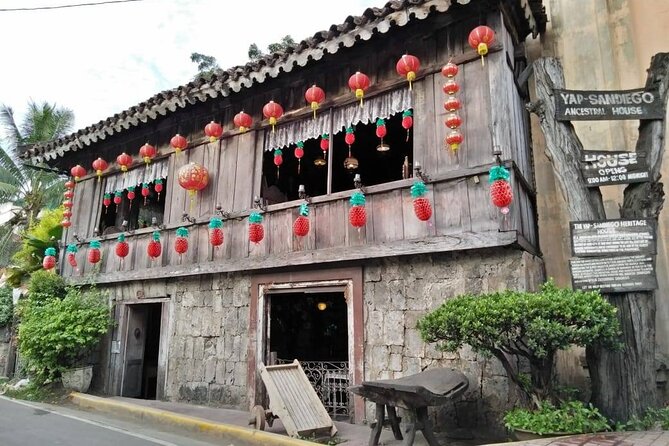
Binondo is not a polished food court built for sightseeing. It is an old district with narrow streets, food stalls, markets, Chinese shops, gold sellers, and historic places packed close together. That mixture is exactly why a guide can help.
On your own, you could easily spend two hours choosing between menus, crossing busy streets, and wondering which stall is worth your time. This tour gives you a route and a local interpreter. You still see the everyday street scene, but you are not left to guess what to order or how each dish fits into the area’s Chinese-Filipino culture.
The district is also useful for visitors who want a quick taste of Manila without committing to a full-day excursion. The tour lasts about two hours, so you can pair it with other time in the city. At the same time, do not expect a slow historical walking tour. Food comes first, with history and culture woven into the route.
You can also read our reviews of more tours and experiences in Luzon.


Meeting at 1919 Grand Cafe on Juan Luna Street
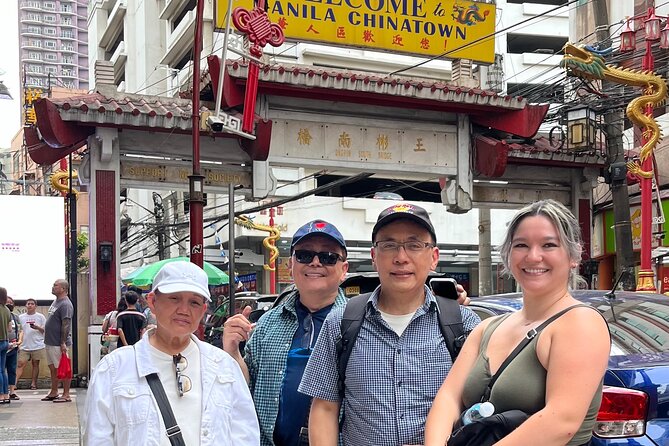
The scheduled starting point is 1919 Grand Cafe, 117 Juan Luna Street, Binondo, Manila, 1006 Metro Manila. The same place is used at the end, which keeps the logistics simple.
That matters in Binondo. A one-way route can leave you trying to find transport in an unfamiliar part of Manila, while a return to the starting point gives you an easy reference. The experience includes mobile ticketing and confirmation at booking, so keep the ticket available on your phone.
You should also arrive ready to walk and eat soon after meeting the guide. The advice to come hungry is practical. Seven to 10 samples can add up quickly, even when each serving is snack-sized.
Seven to 10 Dishes, Not Just One Big Meal
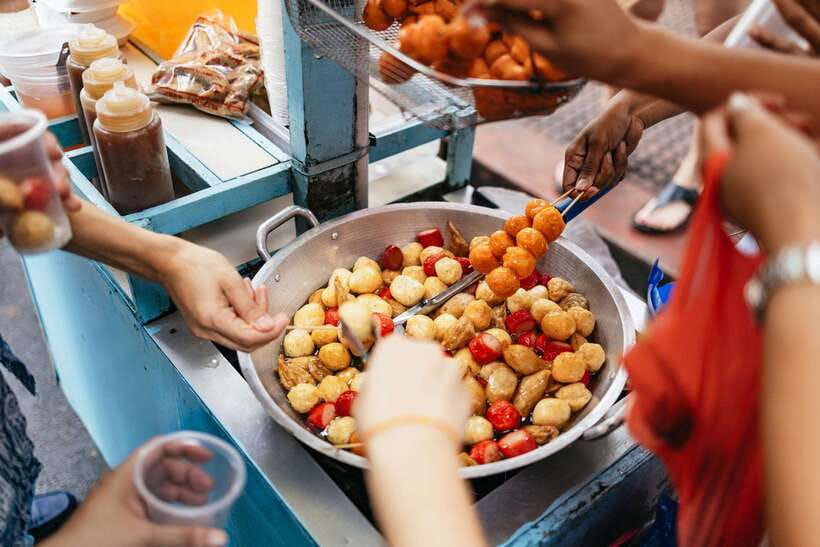
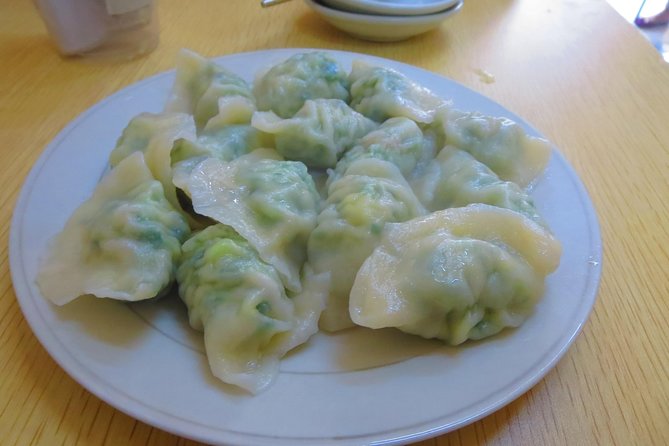
The food is the main reason to book this experience. You will sample a mix of Chinese dishes, street food, and Filipino-Chinese cooking rather than sit down for a single full meal. The exact menu can vary, and the operator invites you to share dietary restrictions before the tour begins.
That flexibility is useful because food tours work best when the guide knows what you can and cannot eat. Still, you should ask about any restriction before setting out. The provided details do not promise a fixed vegetarian, vegan, gluten-free, halal, or allergy-specific menu.
The route may include food from several separate stops. One account describes six different places, while the tour promises seven to 10 food items. Those details fit together: a single stop may offer more than one tasting. You should think of the experience as a series of small samples rather than seven to 10 full portions.
The advantage is variety. You can try familiar Chinese flavors, local street food, and dishes shaped by the long connection between Chinese and Filipino communities. If you are unsure what to order in Binondo, the guide can remove much of the guesswork.
The tradeoff is that sampling can feel hurried. You may have only a short time at each stall, especially if the group is full. I would treat the tour as an introduction, then return later to the dishes you liked most.
A Guide Who Explains More Than the Menu
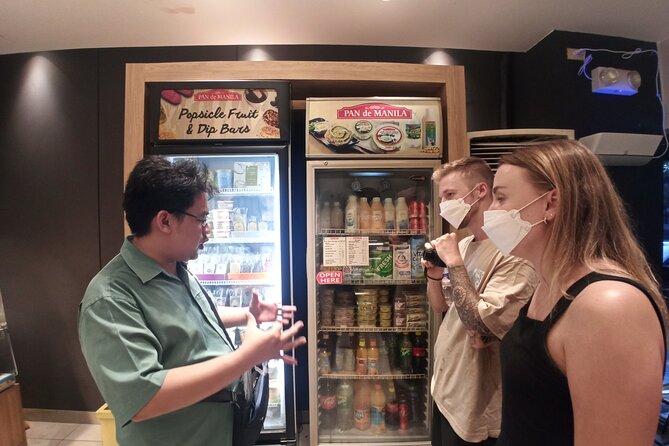
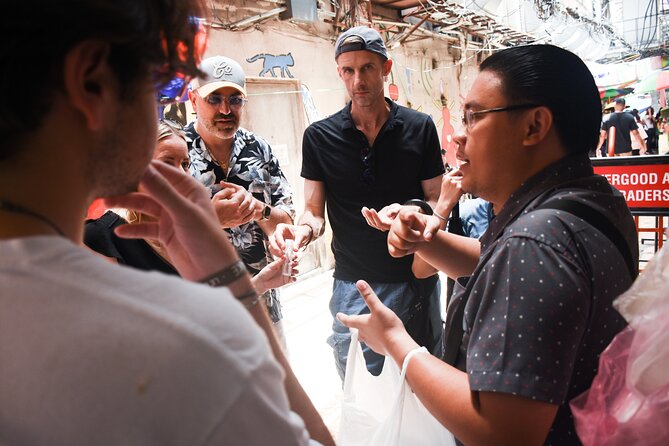
Food tours often succeed or fail on the guide. Here, the guide is expected to explain not only what you are eating, but also the district’s culture and history.
Mara has been praised for combining food education with stories about the area and Filipino culture. Tessie has been described as friendly and clear, a useful quality in a district where the number of choices can feel overwhelming. Mari has guided groups to several food stops while explaining the country’s history and the dishes along the way.
Those names matter because the guide’s role is not limited to carrying you from stall to stall. A good explanation can tell you why a dish belongs in Binondo, how Chinese and Filipino cooking meet, and what makes a particular food worth trying.
The strongest part of this format is the context. You are not simply collecting snacks. You are learning how food reflects the district’s Chinese roots and Manila’s own habits. That turns a quick lunch into a better introduction to the neighborhood.
Because guides may differ, the tone and exact route can vary. The consistent promise is a local guide, food explanations, cultural information, and photo opportunities. The individual guide names give you a sense of the people associated with the experience, but they do not guarantee who will lead your date.
Walking the Streets and Finding the Food Stalls
The first part of the outing is a walk through Chinatown, with stops at food stalls and Chinese eateries. Binondo’s narrow streets are part of the experience, not background scenery.
You will see the district as a working neighborhood, with shops and markets close to the food. The tour also includes places where you can buy Chinese souvenirs before walking toward the gold stalls. These shopping moments add variety, though they are not the central reason to book.
The food stalls are likely to be the most useful part for first-time visitors. A guide can point you toward places that are hard to judge from the street and help you understand what you are ordering. That is especially helpful when menus are unfamiliar or when several dishes look similar.
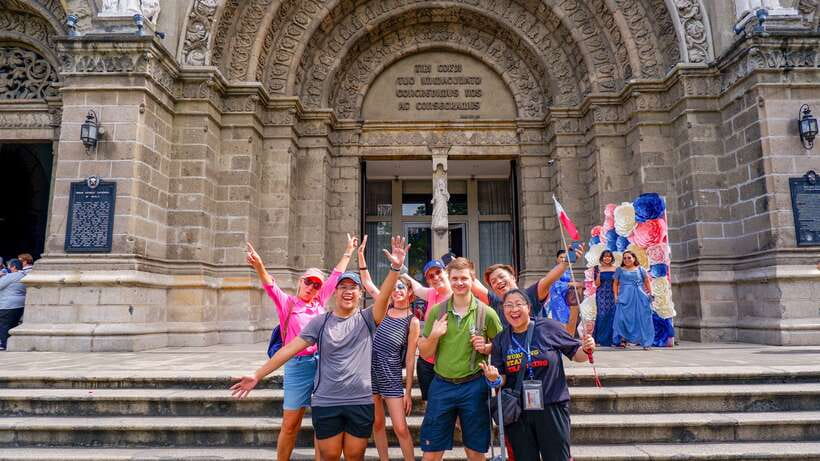
You should expect a lively urban setting rather than a quiet tasting room. Streets can be crowded, stalls may have limited space, and the group can include as many as 15 people. Keep your belongings secure, stay close to the guide, and be prepared to pause while everyone receives a sample.
The tour is listed as suitable for most people, but no detailed accessibility information is provided. If you have mobility needs, ask the operator before booking. Narrow streets, food stalls, and local transport can affect how comfortable the route feels.

The Jeepney or Tuk Tuk Ride
Local transportation by jeepney or tuk tuk is included. It is a small feature, but it gives the experience a stronger connection to daily life in Manila than a fully private vehicle would.
The vehicle type can make the transfer part of the tour feel more local and memorable. It also means you should expect a practical ride rather than air-conditioned sightseeing transport. The details do not specify how long the ride lasts or which sections of the route use it.
This is one reason the group size matters. A maximum of 15 people is manageable for a walking tour, but the ride may feel less spacious depending on the vehicle used. If you prefer a private pace or more room, the operator also offers private tours and full-day tours by request.
Souvenirs, Gold Stalls, and the End of the Route
The tour includes time to buy Chinese souvenirs, followed by a walk to gold stalls. These stops help show the commercial side of Binondo, where food is only one part of the district’s identity.
I would keep your expectations clear. The information does not promise a shopping allowance, a special discount, or time for extensive browsing. Treat these stops as brief additions to the food walk, not as a dedicated shopping tour.
They can still be useful. After tasting several dishes, you get a look at the shops and goods that give the neighborhood its character. The route then returns to the meeting point at 1919 Grand Cafe, making it easier to continue your Manila plans.
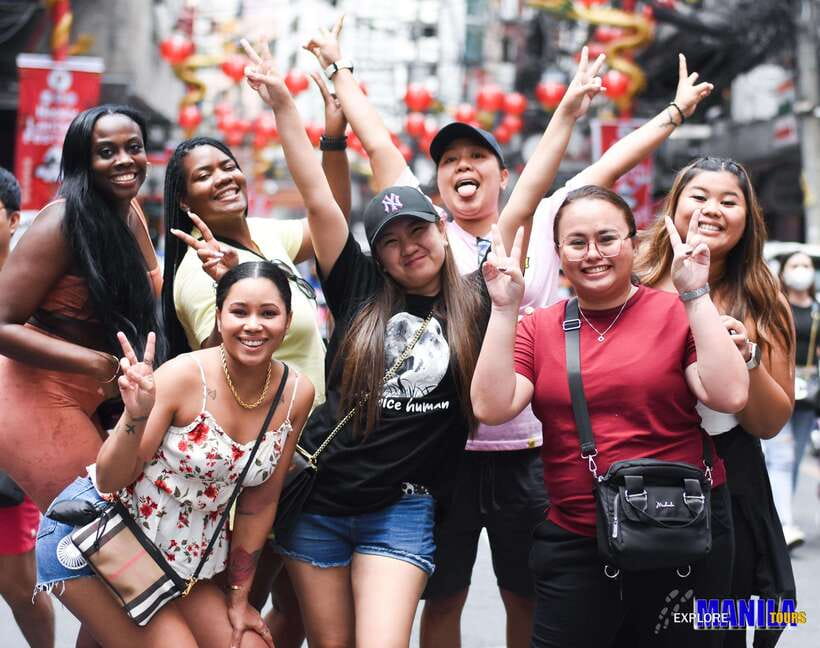
A photo opportunity is included as well. The details do not specify how many photos you receive or whether the guide takes professional images, so think of this as a chance for informal pictures during the outing.
Is $65 a Fair Price?
The price is $65 per person, with group discounts available. That is not the cheapest way to eat in Binondo, where you could order individual dishes for less. The value comes from the guide, the route, the food samples, the local transportation, and the time saved.
If you already know Binondo well, speak the language used at the stalls, and enjoy choosing your own food, you may prefer to explore independently. You would have more control over timing and spending.
For a first visit, the price makes more sense. You are paying for a structured introduction to a district that can be confusing at first glance. Seven to 10 tastings also give you a useful range without requiring you to buy full portions of everything.
Group discounts can improve the value for families or friends booking together. The operator also offers private and full-day versions, though the supplied details do not give their prices or exact schedules. Ask for those details before making a larger plan.
Who Will Enjoy This Experience Most?
I would recommend this tour to first-time visitors who want food, local background, and a practical route through Binondo. It also suits curious eaters who want to try Chinese and Filipino-Chinese dishes without having to choose every stop alone.
Families may appreciate the short duration and the range of samples, though children’s tastes and dietary needs should be discussed in advance. The tour may also suit visitors with limited time in Manila, since the route covers food, shopping, culture, and local transport in about two hours.
Independent food explorers may find the structure less appealing. If you want long meals, extensive shopping, or plenty of time at each restaurant, the pace could feel tight. A private tour may be the better option if you want more control.
Come prepared for heat, street noise, and a busy neighborhood. The experience requires good weather, and poor conditions can lead to a new date or a full refund. Free cancellation is available if you cancel at least 24 hours before the start time. Changes or cancellations made later are not accepted for a refund.
My Verdict on the Binondo Food Walk
I like this experience because it gives you a clear first step into Manila’s oldest Chinatown. The food variety is generous for a two-hour outing, and the guides add the background that is easy to miss when you walk alone.
The strongest praise centers on the people leading the tour. Mara, Tessie, and Mari are associated with friendly explanations, cultural context, and a welcoming approach. That is important in a food tour, where a good guide can turn an unfamiliar dish into a favorite memory.
The main limitation is the short format. You will cover several stops, but you will not have unlimited time to linger, shop, or eat large portions. The group may also reach 15 people, which can make tight food stalls feel crowded.
Book it if you want a guided introduction, several tastings, and a taste of everyday Binondo in one compact outing. Skip it if you prefer to eat slowly and explore without a schedule. For most first-time visitors, $65 is a reasonable exchange for direction, context, and a very full look at Manila’s Chinese-Filipino food scene.
FAQ
Where does the Manila Chinatown Food Tour begin?
It begins at 1919 Grand Cafe, located at 117 Juan Luna Street, Binondo, Manila, 1006 Metro Manila, Philippines.
Where does the tour end?
The activity ends back at the same meeting point, 1919 Grand Cafe.
How long does the experience last?
The tour lasts approximately two hours.
How many food items are included?
The tour includes snacks consisting of seven to 10 different items.
Is bottled water included?
Yes. Bottled water is included in the experience.
Is transportation included?
Yes. Local transportation by jeepney or tuk tuk is included.
What is the maximum group size?
The group can have a maximum of 15 people.
Can dietary restrictions be accommodated?
The operator asks you to share dietary restrictions ahead of time or before the tour starts. The available details do not specify which restrictions can be accommodated.
Can I cancel for a full refund?
Yes, if you cancel at least 24 hours before the experience starts. Cancellations made less than 24 hours before the start time are not refunded. If poor weather causes the operator to cancel, you will be offered another date or a full refund.
More Tours in Luzon
More Tour Reviews in Luzon
Not for you? Here's more nearby things to do in Luzon we have reviewed






Food Tours: how the alternatives stack up

The lists this tour appears in