A Step Back in Time: Intramuros Walking Tour
History feels close here. This three-hour walk through Intramuros links Fort Santiago, the Jose Rizal Museum, Manila Cathedral, San Agustin Church, and Casa Manila in one focused route. I like the way Russell Leyco explains difficult chapters of Philippine history in clear English, and I like that admission fees are included rather than added at each stop. The main drawback is the heat and the amount of walking, so bring water, an umbrella, and comfortable shoes.
This is a strong choice if you want more than quick photographs of old walls and churches. The tour looks closely at the Manila massacre, the Japanese invasion, Spanish colonial life, and the people tied to these places. It may feel too detailed if you prefer a short sightseeing loop, but history fans should find the extra context worthwhile.
In This Review
- Key points at a glance
- Why this Intramuros walk is worth your time
- Meeting at Fort Santiago’s entrance
- Fort Santiago and the weight of the dungeon
- The Jose Rizal Museum and a national figure
- Manila Cathedral and the Spanish colonial story
- San Agustin Church, a UNESCO-listed highlight
- Casa Manila and the end of the walk
- What the guide adds to the experience
- Is $28 per person good value?
- Who should book this walk?
- Practical advice before you go
- Should you book the Intramuros Walking Tour?
- FAQ
- How long does the Intramuros walking tour last?
- Where does the tour begin?
- Where does the activity finish?
- What sites are included?
- Is an English-speaking guide included?
- Are admission fees included?
- Is hotel pickup or transportation included?
- Can I cancel the booking?
Key points at a glance
- Fort Santiago sets the tone: Spend about an hour at the oldest stone fortification in Manila and learn why the site carries such heavy wartime meaning.
- Russell Leyco is the main strength: His passionate storytelling, clear English, and willingness to answer questions receive the highest praise.
- Six major stops fit into three hours: The schedule moves from the fort to churches, a museum, and a reconstructed colonial home.
- The dungeon adds difficult context: You will hear about the Manila massacre and Japanese occupation, not only the more polished colonial story.
- San Agustin Church brings architectural weight: This UNESCO World Heritage church gives the walk a strong cultural and religious focus.
- The price works best for a small private group: At $28 per person, admission and a DOT-accredited guide are included, but check the group pricing carefully.
Why this Intramuros walk is worth your time
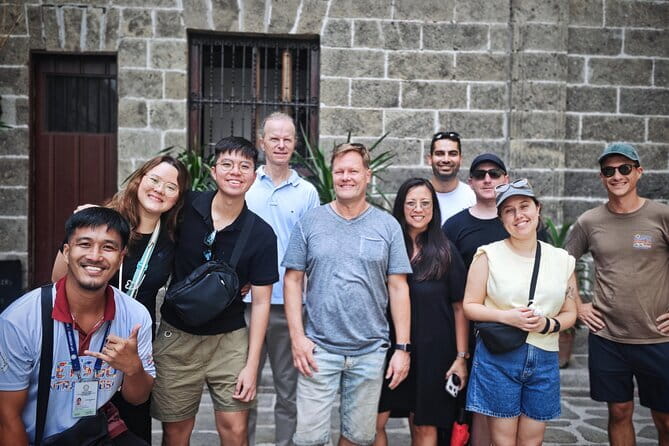
Intramuros can look simple at first: old stone walls, grand churches, cobbled streets, and colonial buildings. Without context, you might walk through it in an hour and miss the human stories that make the district matter.
This tour gives you a fixed three-hour route and a guide who connects the buildings to larger events. I like that the focus is not limited to the Spanish period. You also hear about Jose Rizal, the Second World War, the Manila massacre, and the Japanese invasion.
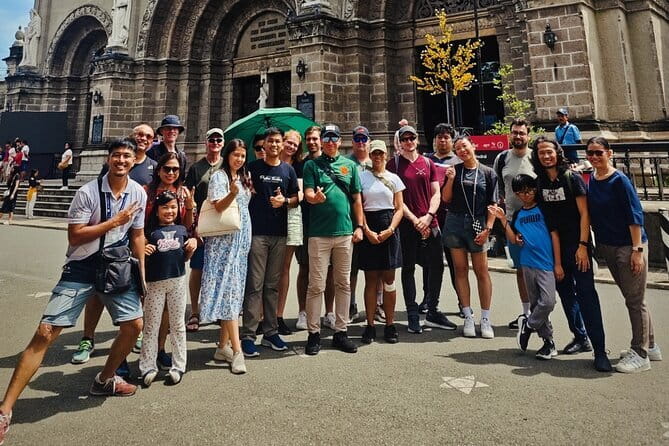
The experience has earned a 5 out of 5 rating from 27 reviews, with repeated praise for Russell’s clarity, passion, and ability to answer questions. One especially useful point is that he brings out details that are easy to miss in a standard visit. That makes this a good match for you if you enjoy asking why a place matters, not just where to take a photo.
The tour is conducted in English, and a private group option is available. That matters if you want to ask questions at your own pace or have several people in your party. The advertised rate is $28 per person, but the pricing note says the tour rate covers up to four persons and that an additional Php 1,500 applies per existing person. I would confirm the final amount before booking, especially if your group is larger than four.
You can also read our reviews of more walking tours in Manila

Meeting at Fort Santiago’s entrance
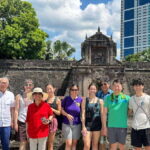
Your guide meets you at the Fort Santiago entrance in front of the United Philippine Lines building on Sta. Clara Street. Arrive at least 15 minutes early. That is sensible here because the meeting point is specific, and a late arrival can be awkward once the group has moved inside.
The tour does not include hotel pickup, drop-off, food, drinks, or transport. You need to make your own way to the meeting point and back. The walk finishes at Casa Manila, although the meeting information also says the activity ends back at the meeting point. If your plans depend on an exact ending location, confirm this detail before setting up a taxi or another activity.
Bring water and an umbrella. Those are not throwaway suggestions. You will spend three hours outdoors and on foot, with only the buildings themselves offering relief from the weather. Wheelchair accessibility is listed, but the route includes historic sites, so you may still want to ask the operator about the exact surfaces and access arrangements before reserving.
Fort Santiago and the weight of the dungeon

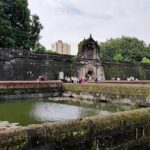
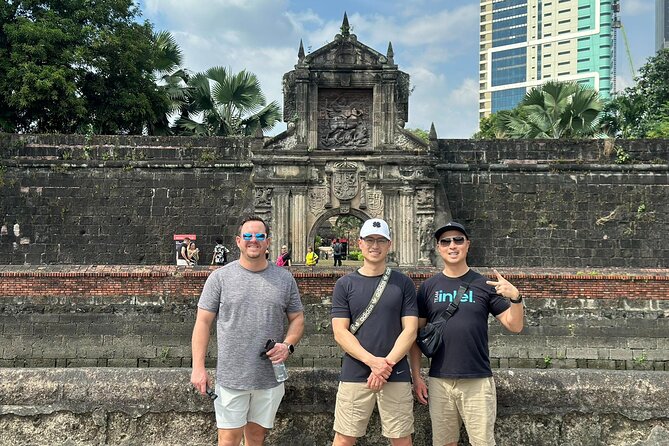
Fort Santiago gets the longest section of the tour, about one hour, and that is the right call. It is the oldest stone fortification in Manila and gives you the clearest physical sense of Intramuros as a fortified city.
A guide changes the way you read the site. Walls and gateways can seem abstract, but Russell’s storytelling places them within the political and military history of Manila. You are not simply looking at old stone. You are learning how the fort functioned and why it remains one of the city’s central historic places.
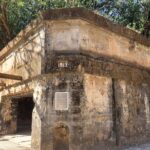
The dungeon is one of the most serious parts of the walk. Here, the discussion turns to the Manila massacre and the Japanese invasion. This section may be difficult, but it keeps the tour from presenting Intramuros as a pretty colonial district detached from wartime suffering.
I appreciate that the experience includes this darker material. You should not expect a light, purely decorative walk. The stories are described as detailed, precise, and at times heartfelt. If you are traveling with children, the tour is suitable for all ages according to the activity details, but parents may want to prepare younger children for the serious subject matter.
The Jose Rizal Museum and a national figure
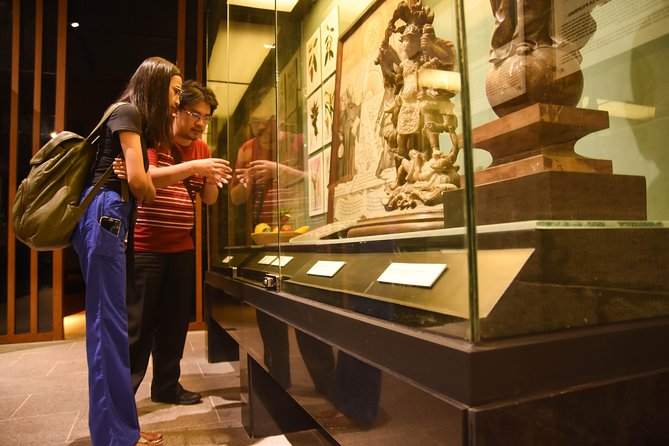
The next stop is the Museum of Jose Rizal, with about 30 minutes of guided time. Jose Rizal is central to Philippine identity, and this stop gives the broader history a personal focus.
The value here depends heavily on the guide. A museum can offer objects and displays, but Russell’s role is to explain why Rizal matters and connect his story with the political world around him. The positive feedback about his ability to answer questions is especially useful at a stop like this, where you may want more than dates and names.
Thirty minutes is enough for an introduction, but not enough for a full museum study. I would treat this as a focused visit within a wider walking tour rather than a standalone museum experience. If you already know a great deal about Rizal, you may want to use the time for specific questions.
Manila Cathedral and the Spanish colonial story
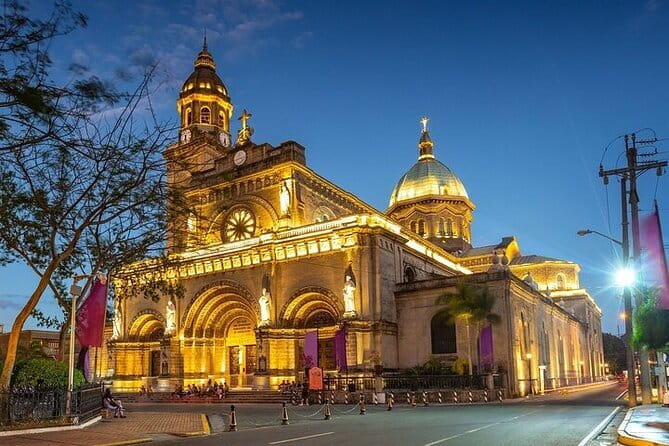
Manila Cathedral receives about 20 minutes. The stop is brief, but it adds an important religious and civic landmark to the route.
You will get more from the cathedral if you pay attention to how the guide places it within the development of Intramuros. The tour is designed to explain the relationship between major buildings and the city around them, rather than send you from one attraction to another without a thread.
The short timing also keeps the walk moving. You will not spend long enough here for a detailed architectural study, so anyone with a strong interest in church design may want extra time on another visit. For most people, the cathedral works well as one piece of a larger picture.




San Agustin Church, a UNESCO-listed highlight
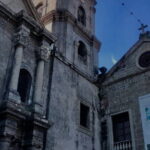
San Agustin Church gets about 15 minutes, making it one of the shortest formal stops. That may surprise you, since it is one of the most important buildings on the route and part of a UNESCO World Heritage site.
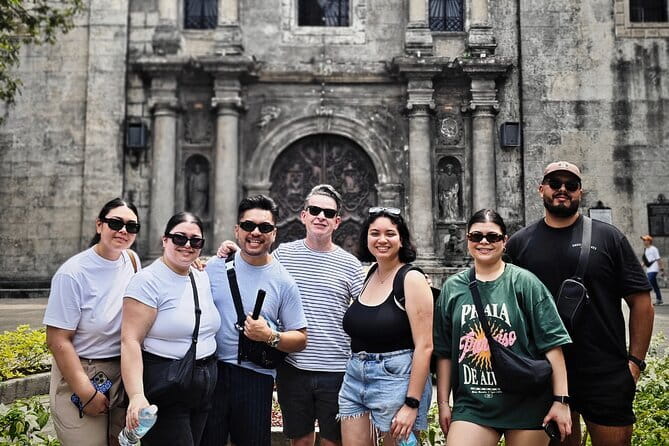
The church brings together religion, architecture, and the long Spanish colonial chapter of Philippine history. Even with limited time, the guide can point out why it matters and help you look beyond the obvious photographs.
I would not treat 15 minutes as enough for a full visit to every part of the church complex. It is better to see this portion as an introduction. If San Agustin is your main reason for coming to Intramuros, plan to return with more time. If you want a broad, guided overview of the district, the short stop is a reasonable trade-off.
Casa Manila and the end of the walk
Casa Manila is the final stop and the place where the activity finishes. The guided visit lasts about 20 minutes.
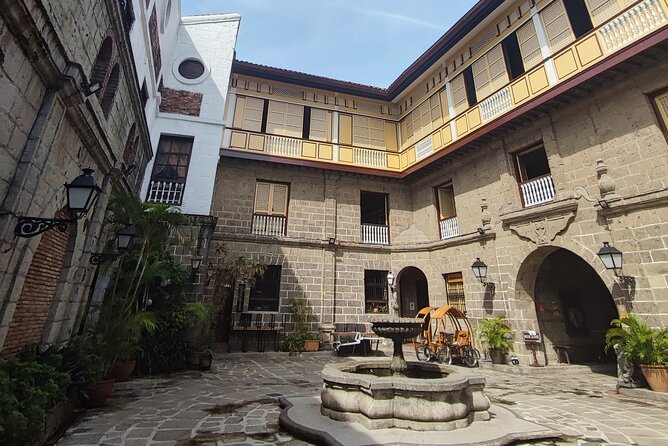
Casa Manila helps you think about domestic life rather than only fortifications and public monuments. Its presence on the route gives the tour a useful change of scale, from military history and national figures to the way colonial-era interiors are presented.
The final stop also makes practical sense. You finish with a place that helps tie together the architecture, social customs, and colonial influence discussed throughout the walk. Since the tour ends at Casa Manila, you can use the location as a starting point for your own continued exploration, though the official meeting information also refers to returning to the original meeting point. Confirm which arrangement applies on your date.
What the guide adds to the experience
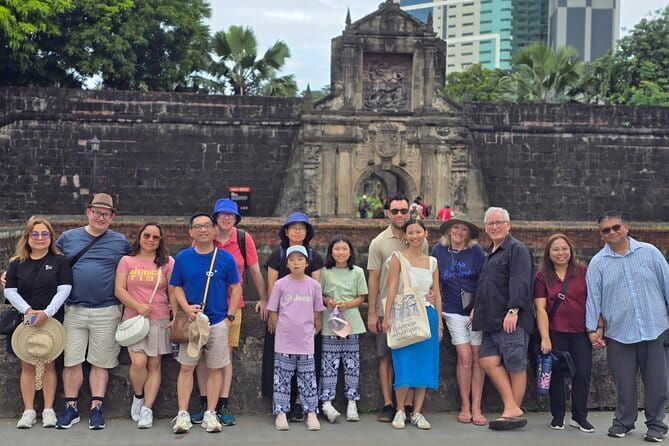
A walking tour rises or falls on its guide, and this one places Russell Leyco at the center. The strongest praise focuses on his passion for history, clear English, careful answers, and talent for making the material enjoyable.
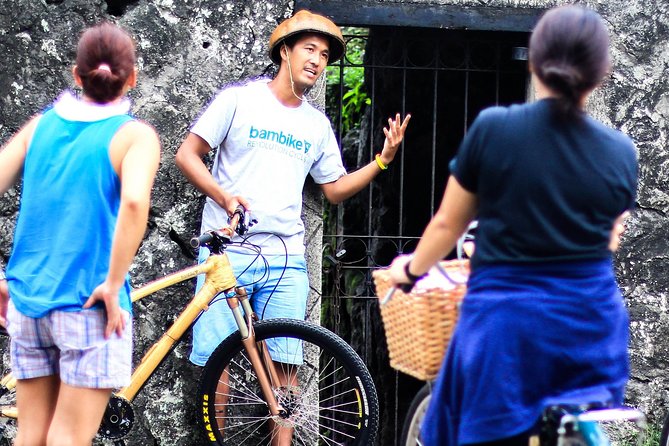
That combination matters. Intramuros contains difficult subjects and layers of history that can easily become a list of dates. Russell is described as bringing out details that are not always found in standard books. You can expect the experience to be more conversational than a silent audio guide, especially if you ask questions.
The tour also seems suitable for different levels of interest. You can arrive with little background and still follow the main story. If you already enjoy Philippine history, the guide’s local perspective may give you more to think about. One useful sign is the repeated praise for precise information rather than general commentary.
The private group option is another advantage. A private walk can make it easier to pause, ask about family or national history, and adjust the discussion to your interests. It may also improve the experience for a mixed-age group. The trade-off is price, since the rate structure should be checked carefully for groups above four.
Is $28 per person good value?
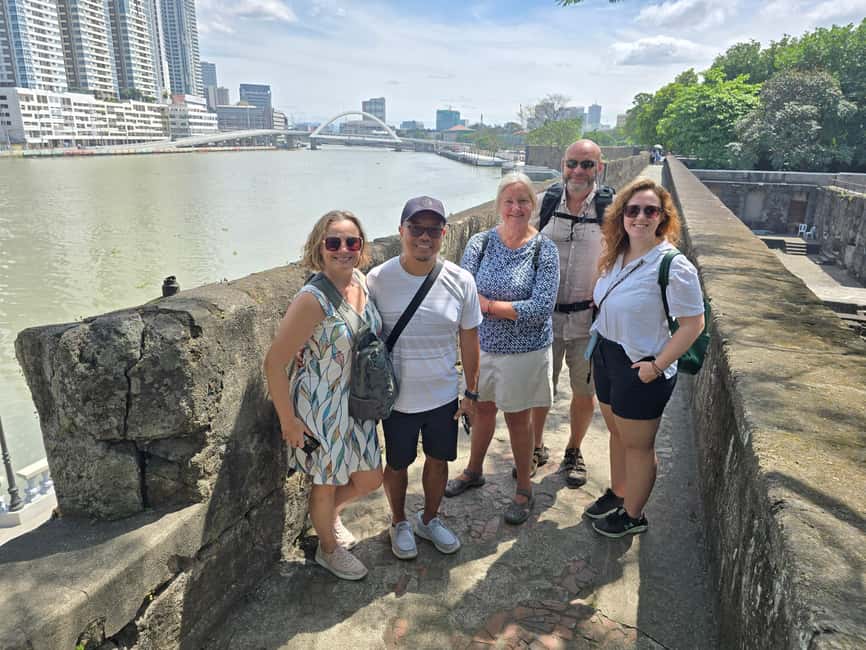
At $28 per person, the tour offers a fair package if you value explanation. Admission fees are included, and you receive a DOT-accredited English-speaking local guide for three hours. You are paying not only to enter Fort Santiago, the museum, churches, and Casa Manila, but also to have someone connect those sites into one story.
The value is strongest for a first visit to Intramuros. You do not need to work out which landmarks fit together or spend time reading every sign. The route covers the main historic stops in a compact block.
The price is less compelling if you want to wander alone or visit only one building. It is also worth checking the group formula, because the note says the rate is good up to four persons with an additional Php 1,500 per existing person. That wording may affect the final cost for larger parties.
Free cancellation up to 24 hours before the activity and reserve-now, pay-later booking add useful flexibility. Those policies help if your Manila plans are still changing, but I would still check the current terms at checkout.
Who should book this walk?
I would recommend it to you if:
- You are visiting Intramuros for the first time.
- You want clear English explanations rather than a self-guided walk.
- You enjoy military, colonial, religious, and wartime history.
- You want to ask questions and hear local interpretation.
- You are traveling with a small group and may prefer a private guide.
- You want admission fees folded into one booking.
I would think twice if you dislike walking in warm weather, prefer to explore at your own speed, or want long, quiet visits inside each building. The schedule is full, and several stops receive only 15 to 20 minutes.
The experience is also not a complete study of Intramuros. It is a well-planned introduction that touches many important places. You may still want extra time at Fort Santiago, San Agustin Church, or Casa Manila after the guided portion.
Practical advice before you go
Wear comfortable shoes and carry water. An umbrella is specifically recommended, and it can help with both sun and rain.
Arrive 15 minutes early at the Fort Santiago entrance near United Philippine Lines on Sta. Clara Street. If you have trouble finding the meeting point or expect to arrive late, contact the operator through Viber or WhatsApp.
The tour is three hours, so avoid scheduling another activity immediately afterward. The official starting times vary, and you need to check availability when booking.
Admission is included, but food, drinks, transport, and hotel transfers are not. Plan your route to and from Intramuros yourself.
Should you book the Intramuros Walking Tour?
Book it if you want the Walled City explained by a passionate local guide rather than simply photographed. The strongest reason to choose this experience is Russell Leyco’s storytelling, especially his ability to connect Fort Santiago, Jose Rizal, the churches, wartime suffering, and everyday colonial life.
I would book it for a first visit, a history-focused day, or a small private group. I would skip it only if you want complete independence or much longer at each attraction. For $28 per person, with entry fees and a three-hour English tour included, it offers solid value, provided you confirm the group pricing and ending location before paying.
FAQ
How long does the Intramuros walking tour last?
The tour lasts three hours.
Where does the tour begin?
The guide meets participants at the Fort Santiago entrance in front of the United Philippine Lines building on Sta. Clara Street.
Where does the activity finish?
The listed finish is Casa Manila, while the meeting information also says the activity ends back at the meeting point. Confirm the exact arrangement before booking if this matters for your plans.
What sites are included?
The route includes Fort Santiago, the Museum of Jose Rizal, Manila Cathedral, San Agustin Church, and Casa Manila.
Is an English-speaking guide included?
Yes. A DOT-accredited English-speaking local guide is included.
Are admission fees included?
Yes, admission fees are included in the tour.
Is hotel pickup or transportation included?
No. Hotel pickup, hotel drop-off, food, beverages, and transportation are not included.
Can I cancel the booking?
Yes. You can cancel up to 24 hours in advance for a full refund. Reserve-now, pay-later booking is also available.