
Manila Food Tour Experience with Local Guide
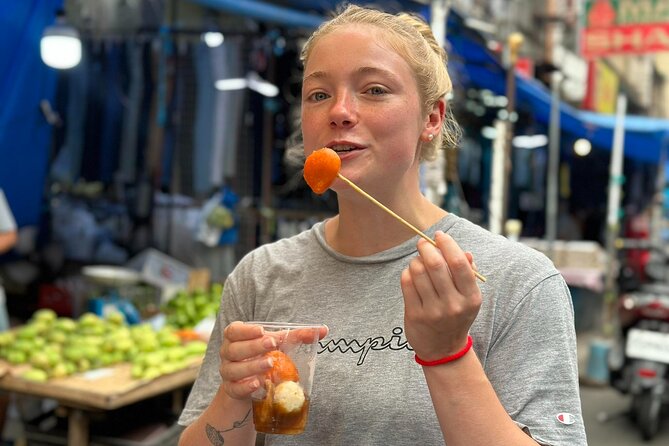
Come hungry, leave with a new map of Manila. This two-hour food walk links Tondo and Binondo through Filipino street food, Chinese-Filipino cooking, and local neighborhoods that are easy to miss on your own. I like the small-group format and the chance to try 6 to 10 tastings, including possible favorites such as kwek kwek, siopao, dumplings, biko, and halo-halo.
I also like that guides such as Venus, known as V in some bookings, do more than hand you food. They help you move through Manila, point out lesser-seen corners, and explain what you are eating. The main consideration is the short two-hour schedule: with two districts and many possible tastings, the pace may feel brisk, and the exact food lineup depends on what is available that day.
In This Review
- Key points to know before booking
- Why Tondo is a strong place to begin
- What to expect from the Filipino tastings
- Binondo brings a second food tradition
- The guide can make or break the experience
- Is $70 a good value?
- Timing, meeting point, and practical planning
- Who will enjoy this Manila food walk?
- Should you book the Manila Food Tour Experience?
- FAQ
- Where does the Manila food tour begin?
- Where does the tour finish?
- How long does the tour last?
- How many food tastings are included?
- Which foods might I try?
- How many people can join the tour?
- Is the tour suitable for most people?
- Can I cancel for a full refund?
Key points to know before booking
- Tondo starts the food story: Expect Filipino dishes, market activity, and street stalls in one of Manila’s most local-feeling settings.
- Binondo adds Chinese-Filipino flavor: The world’s oldest Chinatown brings siopao, dumplings, noodle houses, tea shops, and bakeries into the same food crawl.
- Six to ten tastings are included: The selection can change with street availability, so treat the menu as a tasty surprise rather than a fixed list.
- Guides are a major part of the value: Venus, also called V, is praised for her navigation, friendliness, photos, and ability to help solo visitors feel at ease.
- The listed price is $70 per person: That is a fairer deal for someone who wants guidance and many samples than for someone interested only in a cheap meal.
- The group size needs clarification: The tour description says up to 12 people, while the additional information says a maximum of 8. Ask which limit applies to your date.
Why Tondo is a strong place to begin
The meeting point is in Tondo, Manila, and the tour spends about an hour there before moving to Binondo. That choice matters. Tondo gives you a chance to see Filipino food in the setting where it is part of daily life, rather than only in a polished restaurant.
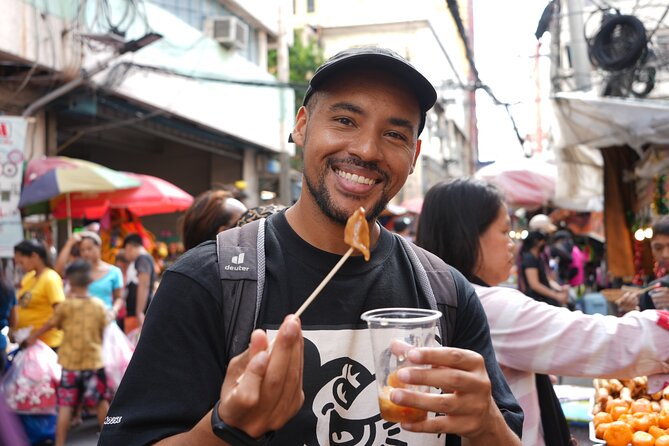
The food described for this part ranges from savory adobo to sweet, sticky biko. You may also encounter street food such as kwek kwek, depending on what is being sold when you visit. These foods show the broad range of Filipino cooking in a small space: seasoned meat, rice-based sweets, fried snacks, and cool desserts can all appear in one short outing.
I like this approach because it turns tasting into orientation. Instead of trying to memorize a list of national dishes, you get a feel for how Manila eats. The guide can connect the food to the streets around you, which is especially useful if this is your first introduction to Filipino cuisine.
There is a practical tradeoff. Tondo is not presented as a formal attraction with a set route and a fixed tasting menu. The pleasure comes from responding to the neighborhood and its available food. If you need a guaranteed dish at every stop, this may feel less predictable. If you enjoy seeing what is being served that day, the flexibility works in your favor.
The tour description gives Tondo about one hour, with no separate admission charge. That does not mean the hour is empty or unstructured. It means the neighborhood itself supplies the setting, and your guide supplies the direction and explanation.
You can also read our reviews of more guided tours in Luzon


What to expect from the Filipino tastings
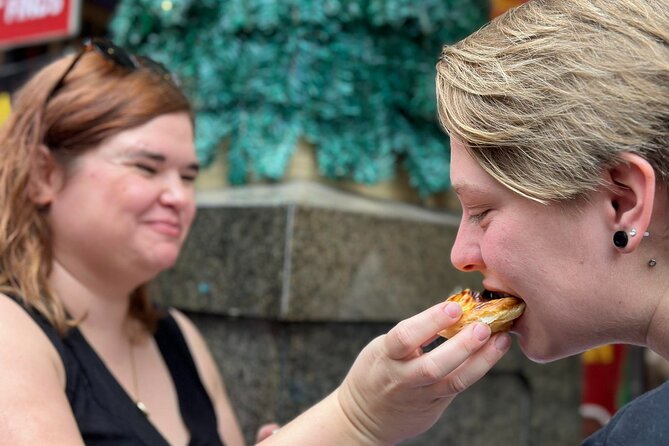
The tour promises between 6 and 10 food tastings. That is a generous number for a two-hour experience, though tasting size is important. You should think of these as samples rather than a full meal at every stop.
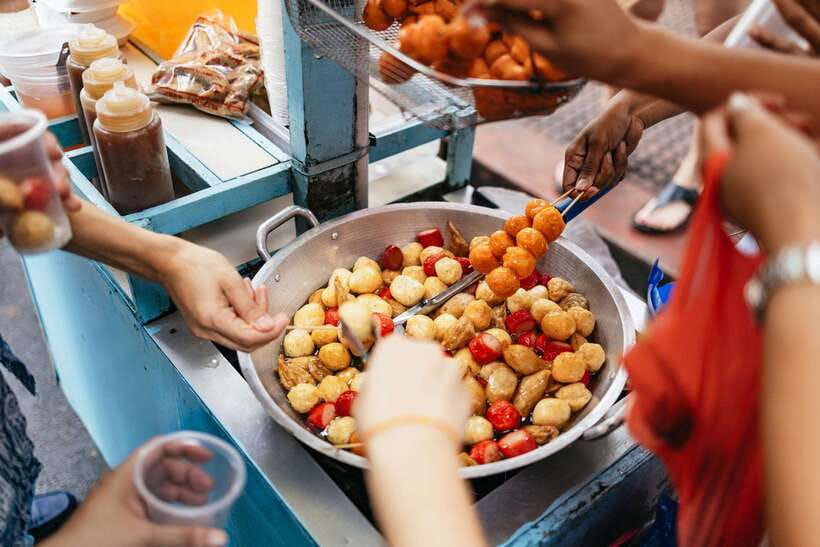
Kwek kwek is a useful example of what makes this kind of outing appealing. These are quail eggs coated in orange batter and fried, a familiar street snack in the Philippines. You might try them with a sauce or seasoning, but the exact preparation is not guaranteed by the tour details.
Adobo offers a different lesson. This well-known Filipino dish is usually associated with savory, seasoned cooking, while biko brings sticky rice and sweetness into the picture. Together, they show why a food tour can be more useful than ordering one dish in a restaurant. You get contrast, not just quantity.
Halo-halo may appear as well. Its name means mixed together, and the dessert is known for combining several ingredients beneath shaved ice and a sweet topping. Since the food depends on street availability, you should not book this expecting every named item. Book it expecting a changing set of tastes that may include these examples.
The best way to approach the tastings is to pace yourself. Six to ten samples can add up quickly, especially if you have eaten beforehand. A light breakfast or early meal gives you room to try more without turning the final stop into a struggle.
Food preferences are worth raising with the provider before the tour if they are important to you. The supplied details say most people can participate, but they do not list vegetarian, allergy, religious-diet, or ingredient-substitution arrangements. Do not assume every tasting can be changed.
Binondo brings a second food tradition
After roughly an hour in Tondo, the route continues to Binondo, Manila’s historic Chinatown. This is not simply a second market stop. It adds the Chinese-Filipino side of the city’s food culture, with a different set of flavors and businesses.
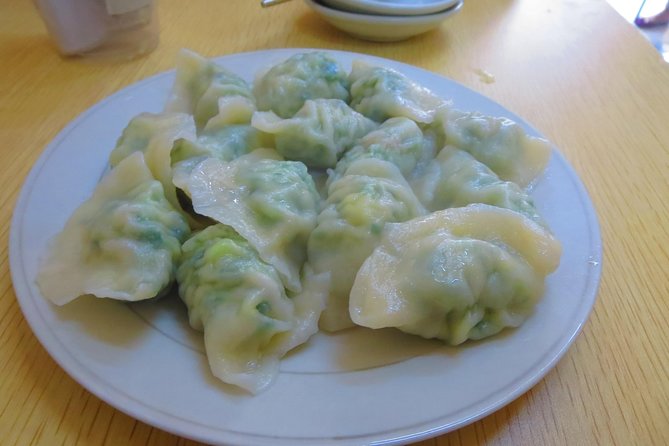
The tour highlights siopao and dumplings, along with the noodle houses, tea shops, and bakeries found along Binondo’s streets. These foods give you a clear contrast with the Filipino dishes in Tondo. You may move from a fried street snack or sweet rice treat to steamed buns, dumplings, noodles, or tea in a short span.
Binondo works especially well for first-time visitors because food is a simple way to understand the district. You do not need a long lecture to notice the mix of Chinese and Filipino influences. A bun, dumpling, or noodle dish can show that connection in a direct and memorable way.
The second hour is also the part of the route where a guide’s local judgment matters most. One review praised V for knowing how to navigate Manila and for finding food, sights, and corners that the visitor would not have found alone. That is a practical benefit, not just a compliment. Streets and food stops are easier to enjoy when someone else is handling the route.
Binondo is listed as having no included admission ticket. This wording is slightly unusual for a walking food tour, since the main activity is eating and exploring public streets. Still, you should read it as a reminder that the $70 price covers the tour experience and tastings described, not every possible purchase or extra expense in the district.
The guide can make or break the experience
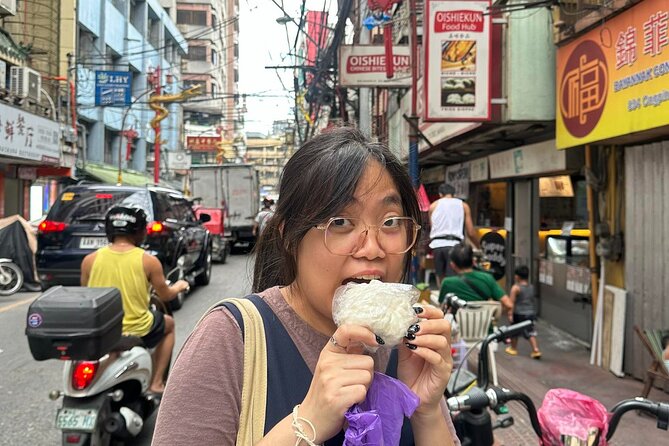
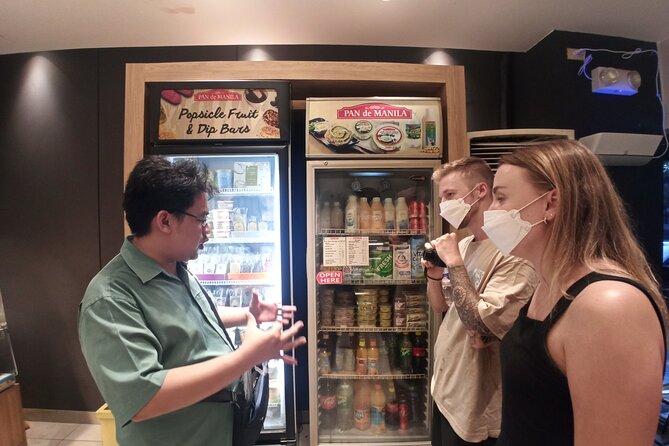
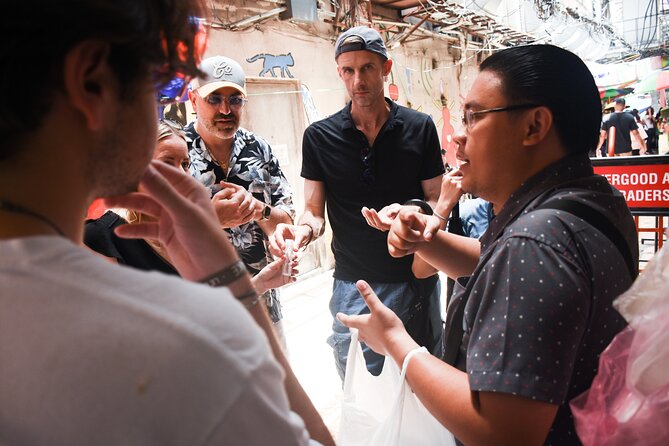
The strongest part of this tour is likely to be the person leading it. Venus, also referred to as V, receives particular praise for being friendly, enthusiastic, easy to talk to, and skilled at getting around Manila.
That matters in several ways. A good guide can make unfamiliar food less intimidating, explain what you are seeing without turning the walk into a classroom, and help you decide how much to try. A good guide can also make the difference between wandering through a neighborhood and understanding why the neighborhood feels the way it does.
V is also praised for taking photos. That small service is valuable for solo visitors, who often have few pictures of themselves during a city walk. One solo booking reportedly became a private tour, though you should not assume that every solo booking will receive private treatment. It depends on who else books your date.
The personal tone seems to be another advantage. The food experience is described as feeling like a friend showing someone around. That is a good fit if you prefer conversation and local pointers to a formal script.
At the same time, a guide cannot control every part of the outing. Street food changes. A stall may not have a particular item. Crowds, weather, and neighborhood conditions can affect the pace. The experience is best for someone who values local contact and flexibility more than a perfectly controlled schedule.
Is $70 a good value?
At $70 per person, this is not the cheapest way to eat in Manila. You could buy individual street snacks for far less. The real question is what you want your money to do.
The price includes a guided experience lasting about two hours and between 6 and 10 tastings. You are also paying for route planning, local navigation, and access to places you might not choose on your own. For a first visit, those elements can save time and reduce the uncertainty of ordering unfamiliar food.
I see the value most clearly for solo visitors and short-stay visitors. If you have only a few days in Manila, a food walk can introduce several dishes and two districts at once. If you are traveling alone, the guide can provide company and help with photos, and you may even end up with a private outing if no one else books your time.
The value is weaker if you already know Tondo and Binondo well, speak comfortably with vendors, and mainly want the lowest possible food cost. In that case, you may prefer to explore independently and spend the difference on extra dishes.
The small-group promise helps justify the price. The description refers to an intimate group of no more than 12, while the additional information gives a maximum of 8. Since those numbers conflict, I would confirm the expected group size before paying. Eight people would allow easier conversation and movement than a full group of 12.

Timing, meeting point, and practical planning
The tour begins in Tondo and finishes back at the same meeting point. That return arrangement is helpful because you are not left figuring out a new end point in an unfamiliar part of Manila.
The duration is approximately two hours. The stated plan gives about one hour to Tondo and one hour to Binondo, so this is a compact introduction rather than a leisurely half-day outing. You will need to arrive ready to walk, eat, listen, and move on.
Wear comfortable shoes and keep your belongings secure. That is sensible advice for any food walk through active city streets, though the supplied information does not promise a particular walking distance or transport arrangement. Do not assume a vehicle is included.
The tour uses a mobile ticket, and confirmation is sent when you book. Free cancellation is available if you cancel at least 24 hours before the local start time. Changes or cancellations inside that window are not accepted for a refund.
The experience says most people can participate. No detailed accessibility information is provided, so contact Manila Experience, also listed as V.S Tour Services, if you need specific help with mobility, seating, food restrictions, or the route.
Because the itinerary depends on what is available on the street, start with an open mind. You may get the foods you hope for, or you may discover a different snack that becomes the favorite.
Who will enjoy this Manila food walk?
I would recommend this experience to people who want a first taste of Manila without spending a full day on a food crawl. It suits anyone curious about Filipino street food, Chinese-Filipino cooking, and the everyday character of Tondo and Binondo.
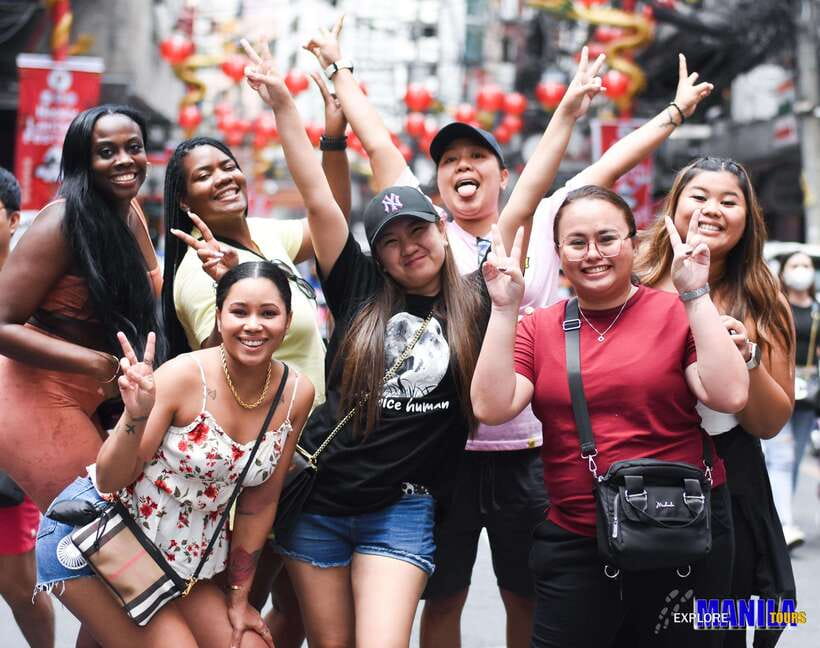
It is especially appealing if you are traveling alone. The guide’s friendly style, local navigation, and photo-taking can make the outing feel social without requiring you to join a large group.
Food enthusiasts should also like the variety. Six to ten tastings in two hours gives you a useful range, from savory dishes to sweets. You will not get a full cooking course, but you will leave with a better sense of what to order later.
I would be more cautious if you need a fixed menu, guaranteed seating, a slow pace, or detailed dietary accommodations. The route is shaped by street conditions and availability, and the time is tight. Ask questions before booking if those points matter to you.
Should you book the Manila Food Tour Experience?
Book it if you want a friendly guide, many small tastings, and a quick introduction to two very different Manila districts. The best reasons are the chance to try local food without guessing, the personal help offered by guides such as Venus, and the added comfort of having someone navigate the route.
Before booking, confirm the group-size limit, ask about any dietary needs, and remember that the named dishes are examples rather than a guaranteed menu. If you accept that flexibility, $70 can be a reasonable price for a compact, personal food experience.
If your priority is simply eating cheaply, explore on your own. If your priority is understanding Manila through food and having a local person point you in the right direction, this tour deserves serious consideration.
FAQ
Where does the Manila food tour begin?
It begins in Tondo, Manila, in Metro Manila, Philippines.
Where does the tour finish?
The experience ends back at the meeting point in Tondo.
How long does the tour last?
The tour lasts approximately two hours, with about one hour in Tondo and one hour in Binondo.
How many food tastings are included?
The experience includes between 6 and 10 food tastings. The exact selection depends on what is available on the street.
Which foods might I try?
Possible tastings include kwek kwek, halo-halo, adobo, biko, siopao, and dumplings. The available dishes can change.
How many people can join the tour?
The tour description says it is limited to 12 participants, while the additional information gives a maximum of 8 travelers. Confirm the applicable group limit before booking.
Is the tour suitable for most people?
Yes. The additional information says most travelers can participate. No specific accessibility or dietary details are provided.
Can I cancel for a full refund?
Yes. You can cancel at least 24 hours before the local start time for a full refund. Cancellations or changes made less than 24 hours before the start are not refunded.
More Guided Tours in Luzon

More Tours in Luzon
More Tour Reviews in Luzon
Not for you? Here's more nearby things to do in Luzon we have reviewed






Food Tours: how the alternatives stack up

The lists this tour appears in