A Night in Old Manila: Intramuros Walking Tour
Old Manila looks different after sunset. This two-hour walk through Intramuros combines glowing streets, fortress walls, wartime stories, and colonial landmarks with a DOT-accredited local guide who helps the past make sense. At $23 per person, it is a fairly priced introduction to Manila’s walled city.
I especially like the focus on Fort Santiago and the thoughtful route through Manila Cathedral, Memorare Manila 1945, San Agustin Church, and Plaza San Luis. I also like the practical touch of bottled water, admission fees, and pre-tour messages, including a reminder to bring an umbrella. The main consideration is the pace: six stops in two hours means some visits are brief, and Fort Santiago receives most of the tour time.
The meeting point is the Fort Santiago ticket booth, with a 5:15 PM call time and a 5:30 PM start. One detail needs checking before you book: the supplied location is listed as Nueva Vizcaya, while the actual meeting point is in Intramuros, Manila. Confirm the pickup details with the operator, Let’s Go Intramuros, before setting out.
In This Review
- Key points to know before you book
- Why Intramuros works especially well at night
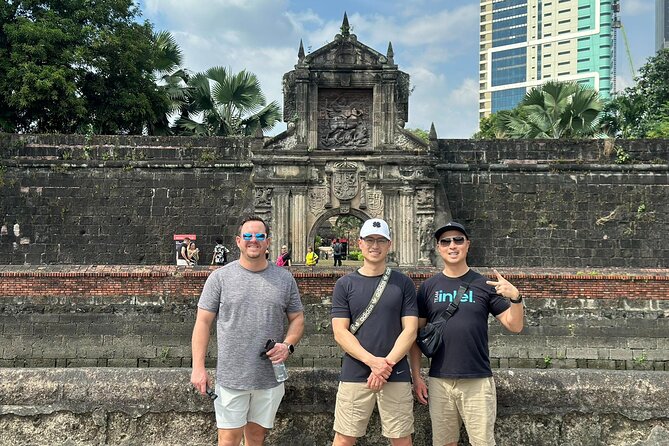
- Starting at Fort Santiago, where the main story unfolds
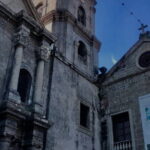
- Manila Cathedral in a brief 15-minute stop
- Memorare Manila 1945 and the cost of war
- San Agustin Church and the older side of Intramuros
- Plaza San Luis leads to Casa Manila
- The guides make the difference
- What the $23 price really includes
- Practical advice for a smoother walk
- Who will enjoy this tour most?
- Should you book A Night in Old Manila?
- FAQ
- Where does the tour meet?
- What time should I arrive?
- How long does the tour last?
- What language is the tour offered in?
- Is Fort Santiago included?
- Does the tour include the dungeon?
- Is transportation included?
- Is the tour wheelchair accessible?
- Can I cancel the booking?
Key points to know before you book
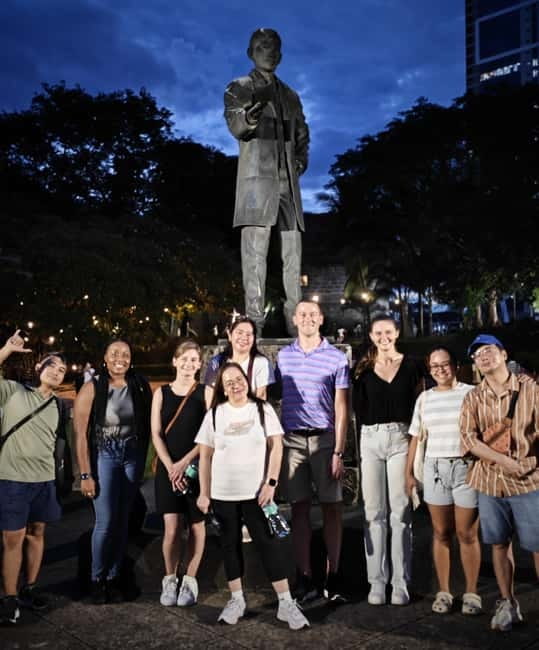
- Fort Santiago gets the main hour: This is the tour’s largest stop, with access to the citadel and its dungeon.
- Night lighting changes the mood: Cobblestones, old walls, and churches take on a quieter look after dark.
- Three guides receive repeated praise: Steven, Steve, and Cedhie are described as warm, clear, passionate, and good at explaining difficult events.
- The route mixes several eras: You move from Spanish colonial buildings to wartime remembrance and Dr. Jose Rizal’s final days.
- The group can reach 25 people: A private group is available if you prefer more room for questions.
- Bring an umbrella: Manila weather can change quickly, and one family found the reminder useful when drizzle arrived.
Why Intramuros works especially well at night
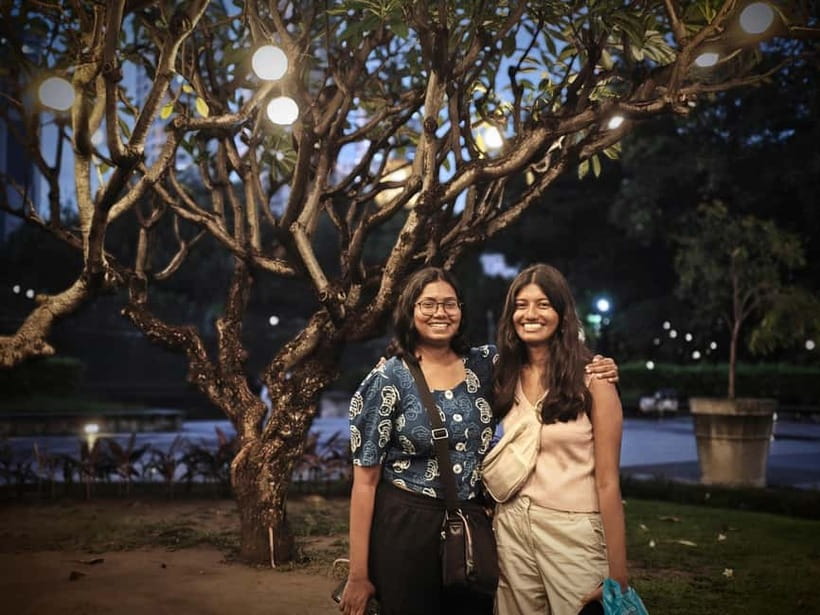
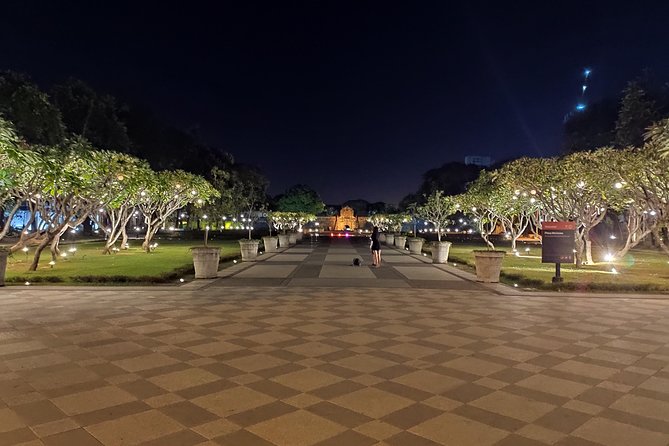
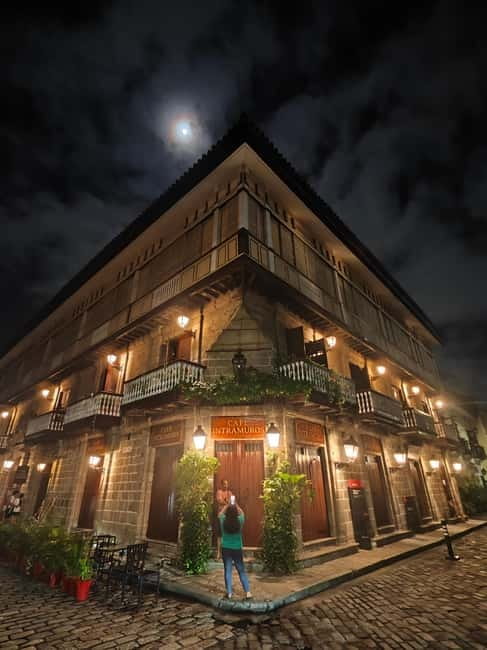
Intramuros is best understood on foot. The walled district brings together military buildings, churches, homes, memorials, and public squares in a compact area. At night, the street lighting gives the stone walls and old facades a softer mood than they have in the full heat of the day.
I like the timing here. The call time is 5:15 PM, and the walk begins at 5:30 PM, so you start around evening rather than in the middle of the afternoon. That matters in Manila, where a walking tour can feel much harder under direct sun.
The night setting is not just a visual trick. It suits the stories of Fort Santiago, wartime suffering, and Rizal’s final days. You are walking through places tied to imprisonment, death, faith, and political change, so the darker setting adds a serious tone without turning the tour into a ghost story.
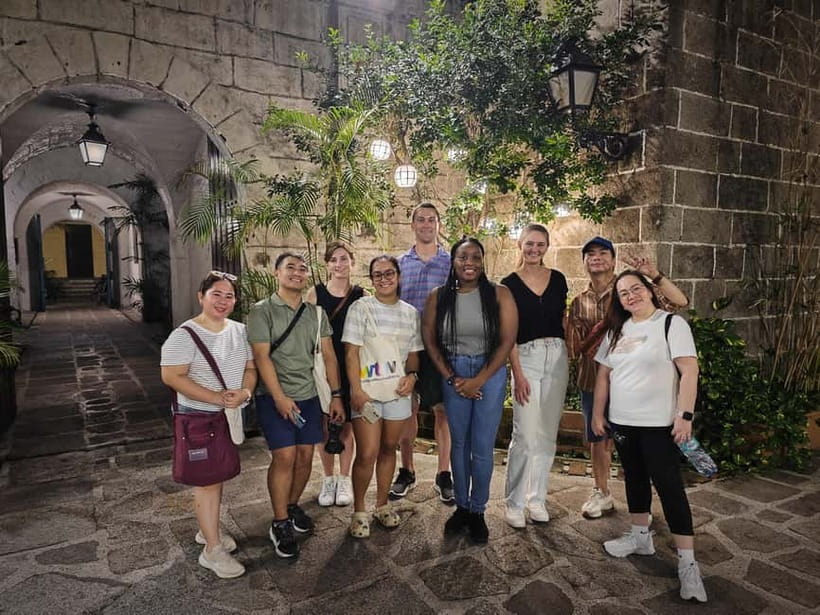
This is still a public walking tour, not a theatrical performance. The guide’s storytelling does the work. The strongest feedback points to guides who explain complex events in plain language, use old photographs, and welcome questions. Cedhie was praised for making Manila’s difficult past easy to follow, while Steven was singled out for being friendly, engaging, and well prepared.
You can also read our reviews of more walking tours in Manila

Starting at Fort Santiago, where the main story unfolds
Meet at the Fort Santiago ticket booth. The operator asks you to arrive at 5:15 PM for a 5:30 PM departure, giving the guide time to gather the group and get everyone inside.
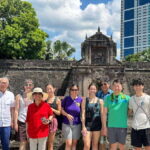
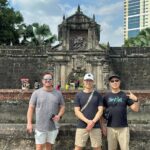
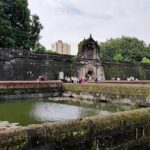
Fort Santiago receives about one hour, which is half the tour. That is a sensible choice because it is the largest and most substantial part of the route. The citadel helped shape Philippine history, and the guide uses its grounds to explain military power, colonial rule, imprisonment, and wartime events.
You can expect a guided walk through the fortress area rather than a quick photo stop. The tour includes admission, so you do not need to buy a separate entry ticket for the included sites. The guide also points out photo opportunities, but the main value comes from knowing what you are looking at.
The dungeon is one of the most sobering parts of the visit. Its wartime stories give the fort a human scale. Instead of seeing only thick walls and old stone, you begin to understand how the site was used and why it remains such a painful place in Manila’s memory.
The dungeon may not suit every child or visitor. It deals with wartime suffering, so families should decide if that subject fits their group. One eight-year-old enjoyed the full walk, but each child will respond differently to the darker material.
The tour also includes Dr. Jose Rizal’s chapel cell. Rizal is one of the Philippines’ most important national figures, and the cell connects the country’s political story to a personal final chapter. The guide’s explanation is especially useful if you know little about Philippine history.
Manila Cathedral in a brief 15-minute stop
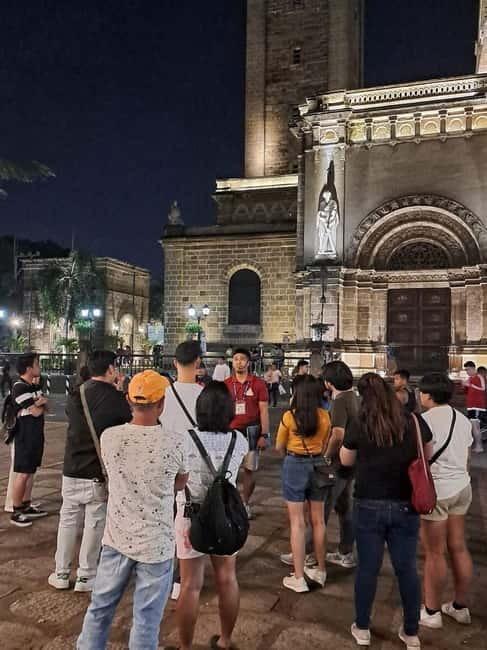
After Fort Santiago, the route moves to Manila Cathedral for about 15 minutes. This is a short guided visit, so you should expect an introduction and key points rather than a long examination of every detail.
The cathedral helps show how religion shaped colonial Manila. It also gives the route a change of mood after the military and prison stories at Fort Santiago. You move from a defensive site to a major religious landmark, which makes the wider story of Intramuros easier to follow.
Because the stop is brief, keep your expectations measured. You will have time to listen, look around, and take photographs, but not necessarily to linger. If you enjoy church architecture or religious history, you may wish the schedule allowed more time here.
Memorare Manila 1945 and the cost of war
Memorare Manila 1945 receives another 15-minute guided stop. This memorial brings the wartime story into sharper focus and helps explain the devastation Manila faced during the Second World War.
I appreciate its place in the route. Fort Santiago introduces the setting, while Memorare Manila 1945 makes the human cost harder to overlook. The tour does not treat Intramuros as a collection of pretty old buildings. It also asks you to think about what happened to the city and its people.
Again, the timing is compact. You will get the meaning and setting of the memorial, but the guide has to keep the group moving. Listen closely, since the explanation carries much of the value.
San Agustin Church and the older side of Intramuros
San Agustin Church is the next 15-minute guided stop. It adds another layer to the district’s religious and colonial story and gives you a chance to see one of Intramuros’ best-known historic churches.
The evening route makes this stop feel different from a standard daytime visit. Exterior lighting can bring out details in old stone and plaster, while the quieter setting encourages you to look carefully. The supplied details do not promise an extended interior visit, so you should treat this as a focused introduction rather than a full church tour.
For photographers, this part of the walk should be rewarding. The route includes photo opportunities at key landmarks, and the combination of old walls, church architecture, and evening light gives you plenty to frame. Bring a phone or camera, but do not let photographs replace the guide’s explanations.
You can also read our reviews of more evening experiences in Manila





Plaza San Luis leads to Casa Manila
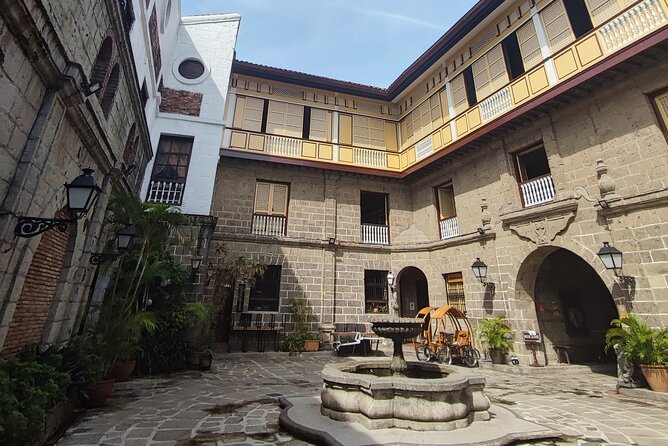
Plaza San Luis Complex receives about 15 minutes, then the walk finishes at Casa Manila. These stops shift the focus from fortifications and remembrance to domestic life in old Manila.
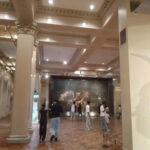
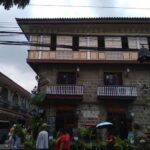
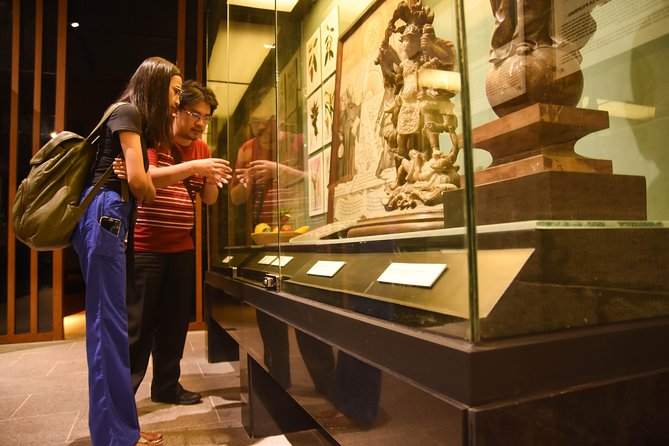
Casa Manila offers a glimpse of colonial-era living. That is valuable because homes often explain a society better than grand monuments do. You get a sense of how the colonial world was presented through architecture, rooms, and daily customs, although the tour’s short duration means you should not expect a long museum visit.
One piece of feedback makes this route choice clear: a visitor who was not especially interested in museums enjoyed the second half of the walk. That is useful if you prefer streets, buildings, and stories to long indoor displays. The tour keeps you moving and links each place to the larger story of Intramuros.
The official finish is Casa Manila, not the original Fort Santiago meeting point. Plan your evening from the ending point rather than assuming you will return to where you started. No hotel transfer or transportation is included.
The guides make the difference
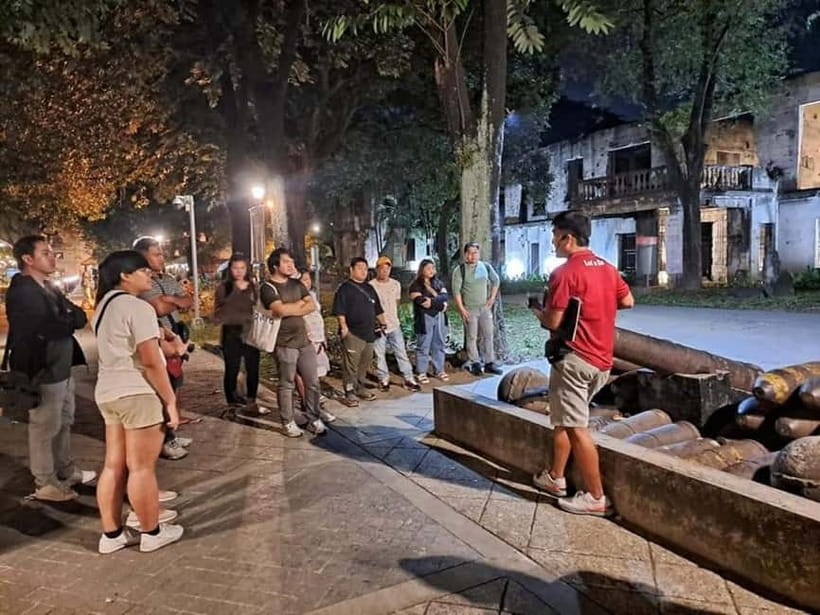
The experience depends heavily on the person leading it. A good guide can turn a fortress wall into a political story, a church into a window on colonial society, and a memorial into something more than a name on a map.
The guides connected with this experience receive especially strong praise for clear explanations and an approachable manner. Steven is described as passionate, easy to talk to, and happy to answer questions. Steve is praised for structuring the walk well and making Philippine history accessible to someone who knew very little about the country.
Cedhie’s use of old photographs is a particularly useful detail. Images from the past can help you compare the streets and buildings around you with earlier versions of Manila. That kind of visual aid is worth more than a string of dates, especially on a short tour.
English and Tagalog are available. If you want a guide who can adapt explanations to your questions, a smaller private group may be worth considering. The public group can have up to 25 people, which is manageable but may make it harder to hear or ask many questions when the group is full.
What the $23 price really includes
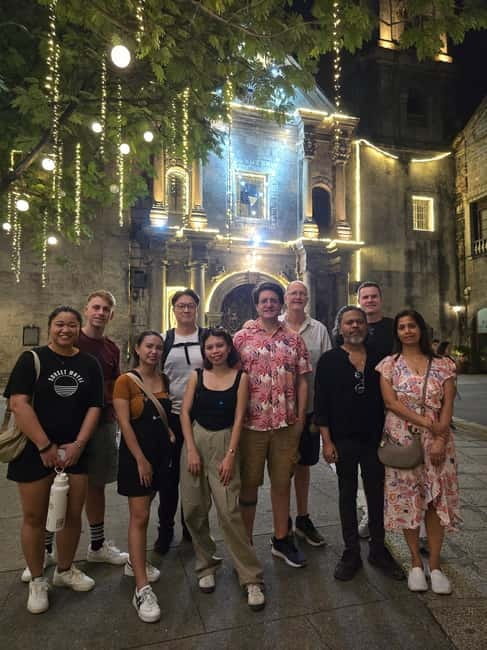
At $23 per person, the tour offers reasonable value for a two-hour guided walk. The price includes the Department of Tourism English-speaking local guide, guide fees, admission fees to the included sites, bottled water, and photo opportunities at key landmarks.
The biggest saving is convenience. You do not have to work out the best order for Fort Santiago, Manila Cathedral, Memorare Manila 1945, San Agustin Church, Plaza San Luis, and Casa Manila. You also avoid paying separate entrance charges for the included stops.
Still, this is not a full-day cultural program. The route gives Fort Santiago one hour, while the other four locations receive about 15 minutes each. If you want extensive time inside every church and building, you may find the schedule too tight.
Food, drinks, transport, and hotel pickup are not included. You should arrange your own way to Fort Santiago and plan your own onward transport from Casa Manila. The tour supplies bottled water, but bringing extra water is sensible, especially if the evening remains warm.
Practical advice for a smoother walk
Wear comfortable shoes. The tour is only two hours, but the route includes streets, fortress grounds, and historic areas where easy walking matters more than stylish footwear.
Bring an umbrella even if the sky looks clear. Manila rain can arrive without much warning, and one guide sent a reminder that proved useful when drizzle began. The activity also lists an umbrella and water among the things to bring.
Arrive at the Fort Santiago ticket booth by 5:15 PM. The tour begins at 5:30 PM, and arriving late could be awkward once the group has entered the fort. For arrival problems, the operator asks you to contact them through WhatsApp or Viber.
The tour is wheelchair accessible, according to the activity details, but you should still contact the operator if your group has specific mobility needs. Historic areas can have uneven surfaces, and the exact route through each site may matter.
The tour is open to joiners and can include up to 25 people. If you want a more personal pace, easier access to the guide, or more time for questions, ask about the private group option.
Free cancellation is available up to 24 hours before the tour for a full refund. You can also reserve now and pay later, which helps if your Manila schedule is still changing.
Who will enjoy this tour most?
I would recommend it to first-time visitors who want a clear introduction to Intramuros without spending half a day in museums. It suits culture lovers, families with older children, photographers, and anyone who likes walking through historic areas after dark.
The tour also works well if Philippine history is new to you. The guide’s role is not simply to name buildings. Strong guiding helps connect Spanish colonial rule, the life of Jose Rizal, wartime destruction, religious institutions, and present-day Manila.
Families may find the length manageable. An eight-year-old enjoyed the experience with a parent, which suggests the mix of walking, stories, and outdoor sights can work for children. The dungeon and wartime material are serious, so parents should prepare younger children for those subjects.
You may want another option if you dislike group tours, need long visits at each site, or want a food-focused evening. Food and beverages are not included, and the tour ends with Casa Manila rather than a restaurant or hotel transfer.
Should you book A Night in Old Manila?
Book this tour if you want a well-priced, two-hour introduction to Intramuros with a strong focus on Fort Santiago and clear historical storytelling. The evening setting, included admissions, bottled water, and helpful guides make it easy to fit into a Manila itinerary.
I would be less certain if your main goal is slow photography, a long church visit, or detailed museum time. The short stops after Fort Santiago keep the route lively, but they also limit how long you can stay at each landmark.
For most first-time visitors, the balance works. You get the major sites, a serious look at wartime Manila, a glimpse of colonial home life, and a guide who can help you understand what you are seeing. Confirm the exact location before booking because the supplied listing names Nueva Vizcaya, while the meeting point is Fort Santiago in Intramuros, Manila.
FAQ
Where does the tour meet?
Meet your guide at the Fort Santiago ticket booth.
What time should I arrive?
The call time is 5:15 PM, and the walking tour begins at 5:30 PM.
How long does the tour last?
The tour lasts two hours.
What language is the tour offered in?
Live guiding is available in English and Tagalog.
Is Fort Santiago included?
Yes. The tour includes admission fees and a guided visit to Fort Santiago, with about one hour devoted to the site.
Does the tour include the dungeon?
Yes. The Fort Santiago portion includes the dungeon and its wartime stories.
Is transportation included?
No. Hotel pickup, hotel drop-off, and transportation are not included.
Is the tour wheelchair accessible?
The activity is listed as wheelchair accessible. Contact the operator through WhatsApp or Viber if you need assistance with arrival or accessibility arrangements.
Can I cancel the booking?
Yes. You can cancel up to 24 hours in advance for a full refund. Reserve now and pay later is also available.