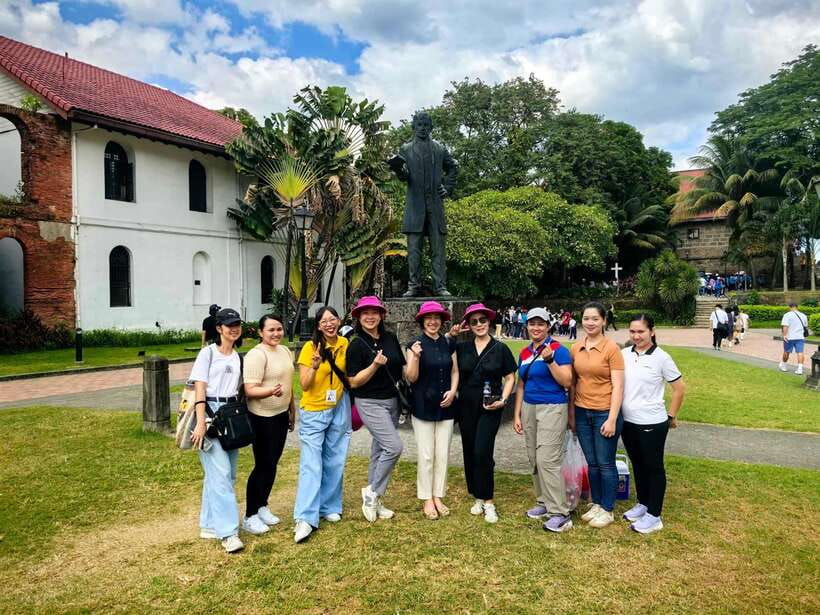
Manila: Walled City Intramuros Walking Tour
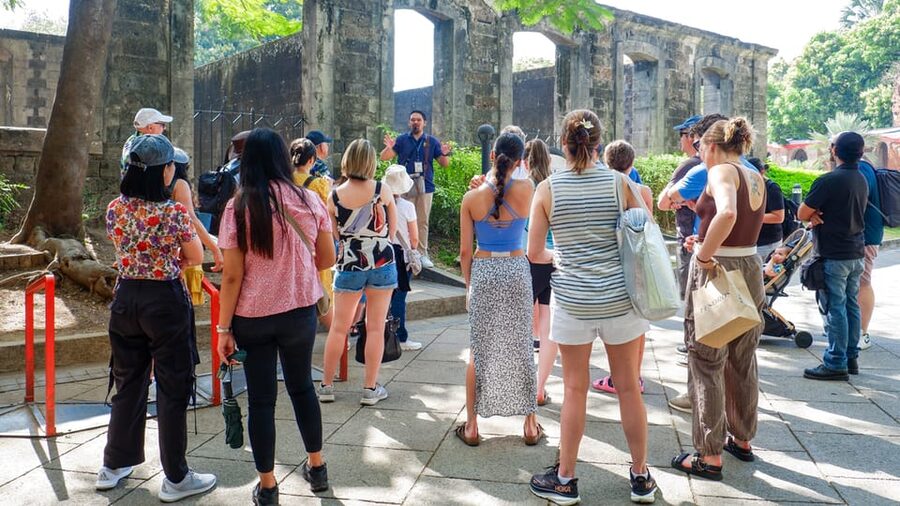
Old Manila survives behind stone walls. This 3 to 3.5-hour tour makes the old city easy to understand, pairing major sights with clear stories about Spanish rule, José Rizal, and the Battle of Manila. I like the way Fort Santiago provides a strong starting point, and I like the tour’s variety: church, museum, memorial, carriage ride, and guided walks all fit into one morning or afternoon.
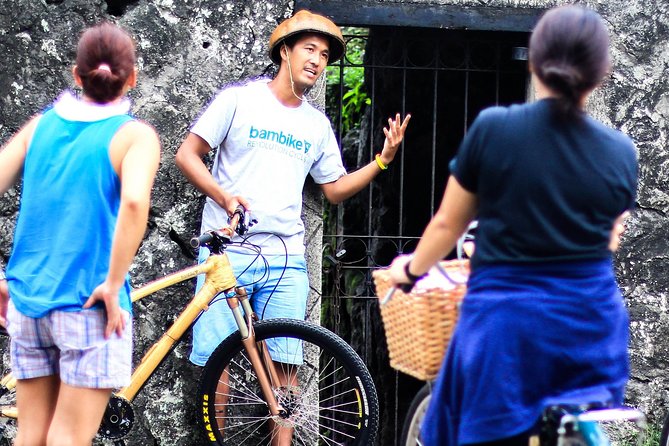
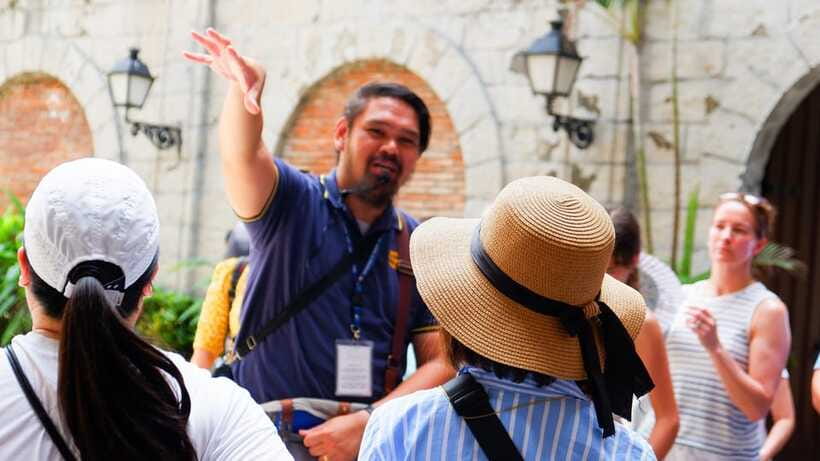
The guide, Andre, receives especially high praise for his easy English, friendly manner, and gift for telling stories. He has handled mixed groups of locals and international visitors well, and he can answer questions without turning the walk into a lecture. The main drawback is practical: you cover about 5,000 steps on cobblestones and uneven surfaces, often in Manila’s heat, and the tour operates rain or shine.
In This Review
- Key points to know before booking
- Why Intramuros works best with a guide
- Starting at Fort Santiago
- The José Rizal Shrine and his final days
- Manila Cathedral and Plaza Roma
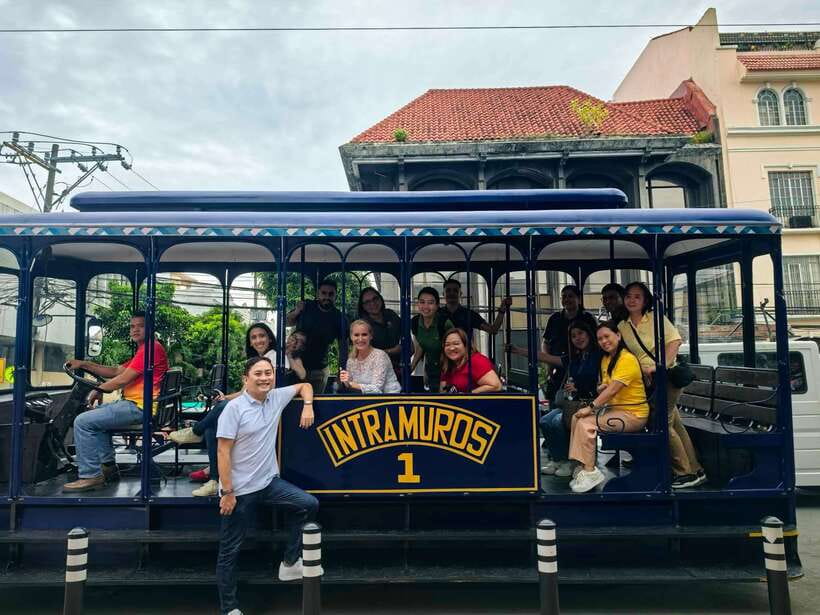
- A short kalesa or tranvia ride
- Memorare Manila 1945 and the Battle of Manila
- San Agustin Church, the oldest-feeling stop on the route
- Casa Manila and the daily life of the Spanish period
- What the $31 price really includes
- Walking conditions, clothing, and weather
- Who will enjoy this tour most?
- Should you book the Intramuros walking tour?
- FAQ
- How long does the Intramuros walking tour last?
- What language is the tour conducted in?
- What places are visited?
- Is the entrance fee to Fort Santiago included?
- Is Casa Manila Museum admission included?
- Does the tour include a carriage or streetcar ride?
- How much walking is involved?
- What should I wear and bring?
Key points to know before booking
- Fort Santiago gives the tour a strong historical opening: You begin with Manila’s colonial foundations, river views, old defenses, and the José Rizal Shrine.
- The route covers more than a simple walk: Entry to Fort Santiago, the shrine, Casa Manila, refreshments, and a kalesa or tranvia ride are included.
- Andre is a major part of the experience: His clear English and storytelling style have made the tour work well for international groups and school groups.
- The Battle of Manila receives serious attention: Memorare Manila 1945 helps explain the destruction and suffering that shaped modern Manila.
- Casa Manila ends the visit on a domestic note: The recreated 19th-century home shows how Spanish-era Filipino families lived, rather than focusing only on soldiers and politics.
- Comfort matters: Wear sturdy shoes, bring water and sun protection, and dress modestly for church visits.
Why Intramuros works best with a guide
Intramuros can look like a compact old quarter, but its walls contain several different chapters of Philippine history. Spanish colonial rule, Catholic influence, the life and death of José Rizal, World War II, and the rebuilding of Manila all appear within a short walk.
I find a guide particularly useful here because the physical remains do not always explain themselves. A stone wall may look impressive, but the story behind it tells you why the city developed in this form and why Intramuros mattered so much.
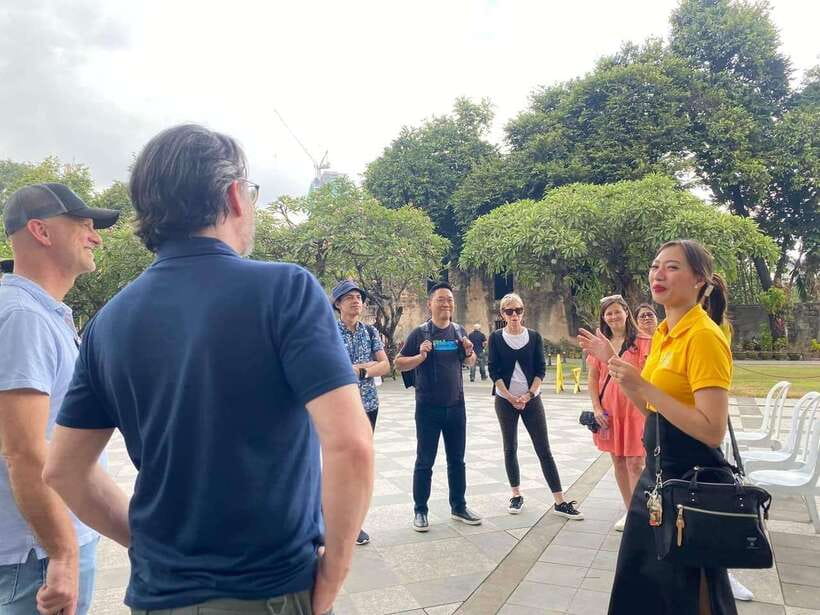
This tour keeps the history accessible. Andre’s style, according to the experience details, is less formal lecture and more guided storytelling. That matters when you are moving between several sites in a hot city. You get context without needing to arrive with a textbook.
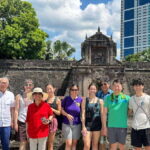
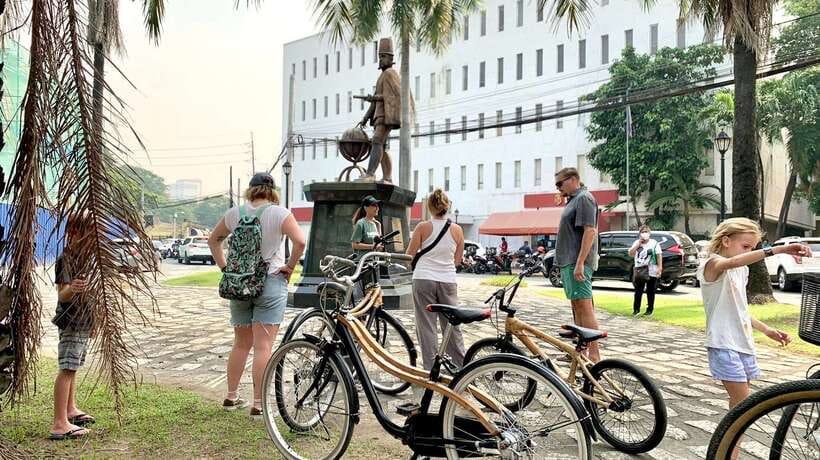
The group may include people from different countries and backgrounds. One group included roughly a dozen people, split between locals and visitors from abroad, and the guide managed that mix well. For teachers or families, the tour can also create a useful setting for practicing English and comparing different views of Philippine history.
You can also read our reviews of more walking tours in Manila

Starting at Fort Santiago
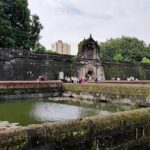
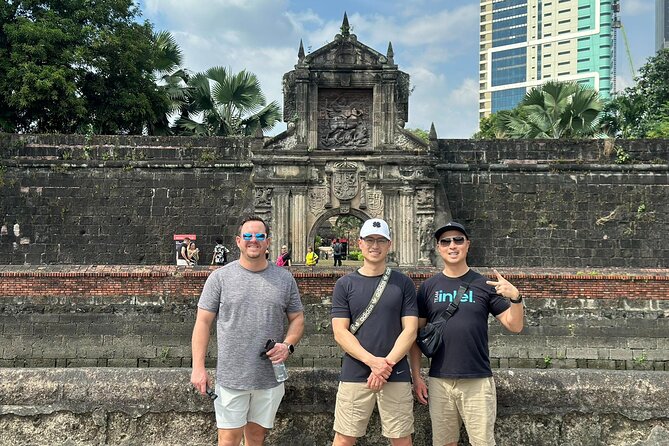
Fort Santiago is the right place to begin. It introduces Intramuros as a fortified colonial city and gives you a sense of Manila’s position beside the river. The grounds combine defensive walls, open spaces, historic structures, and views near the water.
You spend about an hour here with the guide, which gives the site enough time to feel substantial rather than rushed. You can expect a walk through the fort’s historic grounds, with explanations of its colonial origins and the people connected to it.
The fort is not only an architectural stop. It also sets up the political story of Manila. Spanish power, military control, religion, and the growth of the city all connect here. If this is your first introduction to Intramuros, the opening stop gives you a useful map in your head before the group moves into the surrounding streets.
The pace is described as relaxed, but remember that relaxed does not mean effortless. You will be walking outdoors and on uneven ground. Good footwear is more important than stylish footwear here.
The José Rizal Shrine and his final days
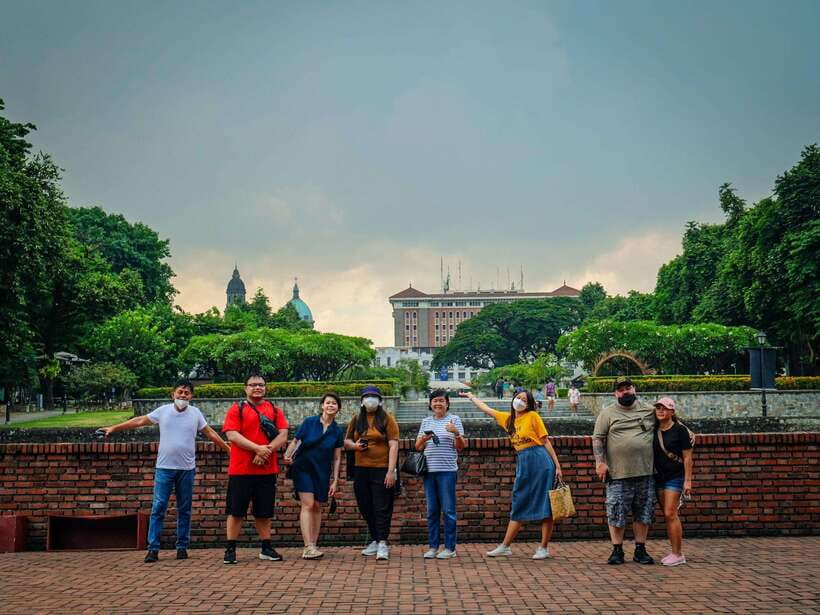
Inside Fort Santiago, the tour visits the José Rizal Shrine. This section takes around 30 minutes and focuses on Rizal’s final days, giving the fort a more personal and emotional side.
José Rizal is one of the central figures in Philippine national identity. The shrine helps connect the broad story of colonial rule to one person’s choices, writing, and final moments. A good guide can make this stop feel human rather than simply commemorative, and Andre’s clear storytelling is well suited to that task.
You will have time for a photo stop, but the emphasis is on listening. I would avoid treating this as a quick picture opportunity. The site carries serious meaning, and the guide’s explanation adds much more than the building alone can provide.
This is also one of the strongest parts of the tour for visitors who want political and cultural context. The fort’s military setting and Rizal’s personal story fit together naturally, showing how the walls were connected to the larger struggle over Philippine identity.
Manila Cathedral and Plaza Roma
From Fort Santiago, the route continues toward Manila Cathedral and Plaza Roma. The cathedral stop lasts about 20 minutes and includes guided explanation, sightseeing, and some free time.
The cathedral gives you a view of Intramuros as a Catholic colonial center. Its presence beside the old plazas helps explain how religion shaped public life and city planning. You do not simply pass a church on the way to the next attraction. You get a short pause to take in the building and its place within Old Manila.
Twenty minutes is enough for an introduction, but not a long architectural study. If you enjoy detailed church interiors or want quiet time for prayer, the schedule may feel brief. The benefit is that the tour keeps moving and leaves room for several other important sites.
The itinerary also includes Plaza Roma as part of the Intramuros walk, although the listed timing focuses on the cathedral stop. Keep your attention on the surrounding streets. The appeal of Intramuros is not limited to individual buildings. The walls, plazas, lanes, and surviving landmarks create the setting.
A short kalesa or tranvia ride
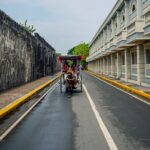
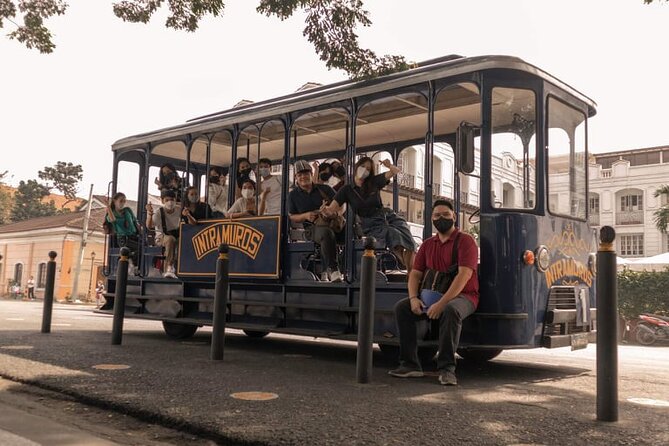
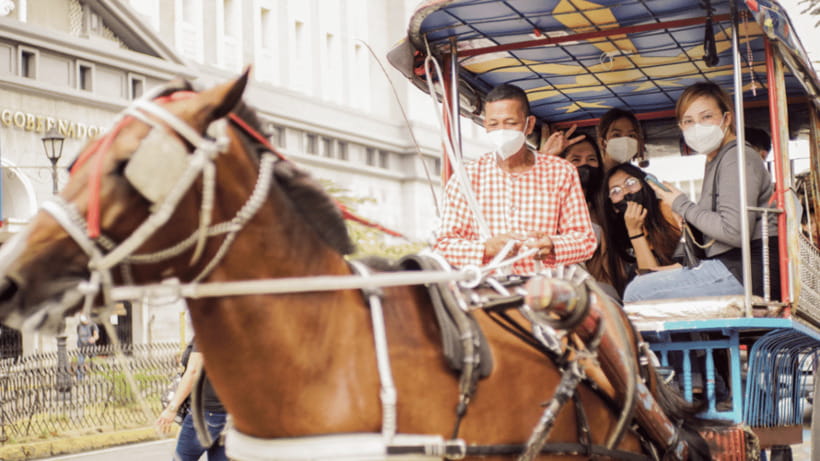
The experience includes a 20-minute horse-drawn carriage ride through Intramuros, described as a kalesa or tranvia ride. This breaks up the walking and gives you a different way to see the old district.
That change of pace is useful in a tour covering roughly 5,000 steps. You still see the streets and walls, but you get a short rest from the cobblestones. It also adds a traditional transport element that a standard walking route would miss.
The wording allows for a kalesa or tranvia, so the exact vehicle may depend on the option booked or the day’s arrangements. I would treat this as an included bonus rather than the main reason to book. The history and guiding are the heart of the tour, while the ride adds variety.
If you are sensitive to heat or have trouble walking for several hours, this short ride helps, but it does not turn the tour into a low-mobility activity. The experience remains a walking tour and is not suitable for wheelchair users.




Memorare Manila 1945 and the Battle of Manila
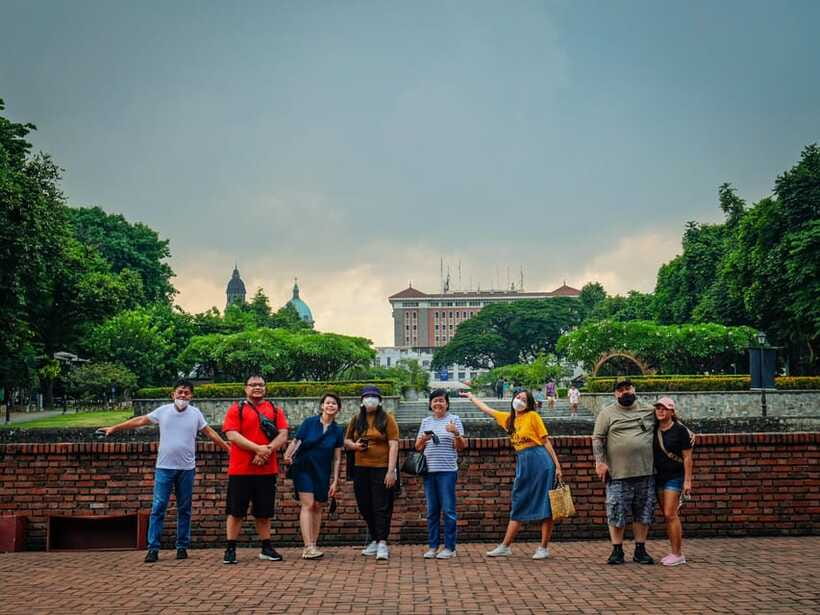
The stop at Memorare Manila 1945 lasts about 20 minutes and addresses one of the hardest chapters in Manila’s past. Here, the guide explains the Battle of Manila and the destruction and civilian suffering associated with the final stages of World War II.
This section gives the tour weight. Without it, Intramuros could seem like a preserved colonial quarter with attractive churches and old walls. The memorial reminds you that much of Manila was damaged or destroyed, and that the city had to rebuild after enormous loss.
The subject is difficult, but it belongs in any serious introduction to Old Manila. The guide’s role is important because the memorial itself cannot tell the full story. You will hear how the war changed the city and why the surviving buildings matter.
This stop may feel emotionally heavier than the earlier parts of the walk. That is not a flaw, but you should know the tour is not only about pleasant architecture and photographs. It asks you to think about what Manila endured.
San Agustin Church, the oldest-feeling stop on the route
The tour then visits San Agustin Church for about 15 minutes. This is one of Intramuros’ most important landmarks and a UNESCO World Heritage Baroque church.
The short visit lets you appreciate the church’s architecture and historical importance. Its age and design offer a sharp contrast with the war memorial only moments earlier. You see both survival and loss within the same district.
Fifteen minutes is enough for a guided look and photographs, but not enough for a long, quiet visit. If you want to study every detail, you may wish to return on your own later, if opening hours and access allow. During the tour, listen closely to the guide, since the explanation helps you understand why San Agustin carries such lasting importance.
Dress modestly. Sleeveless tops, short shorts, and revealing clothing may not be accepted at churches and selected sites. Comfortable clothing is sensible, but comfortable does not mean beachwear.
Casa Manila and the daily life of the Spanish period
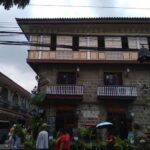
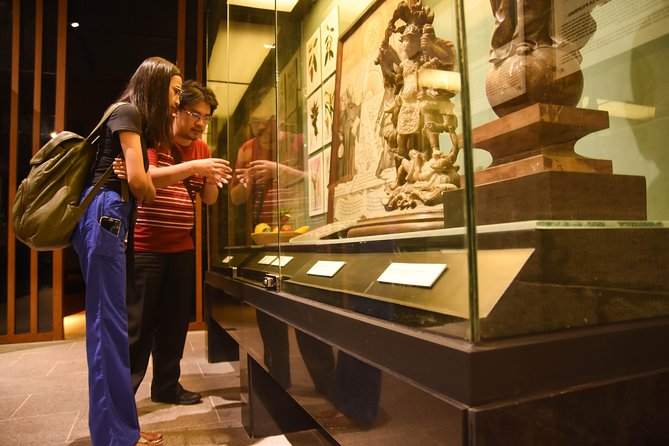
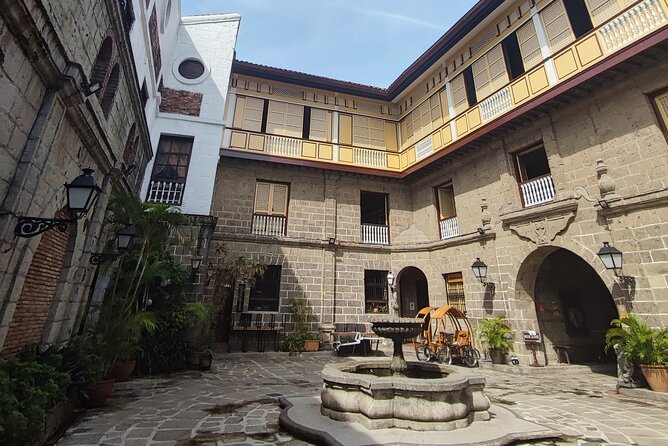
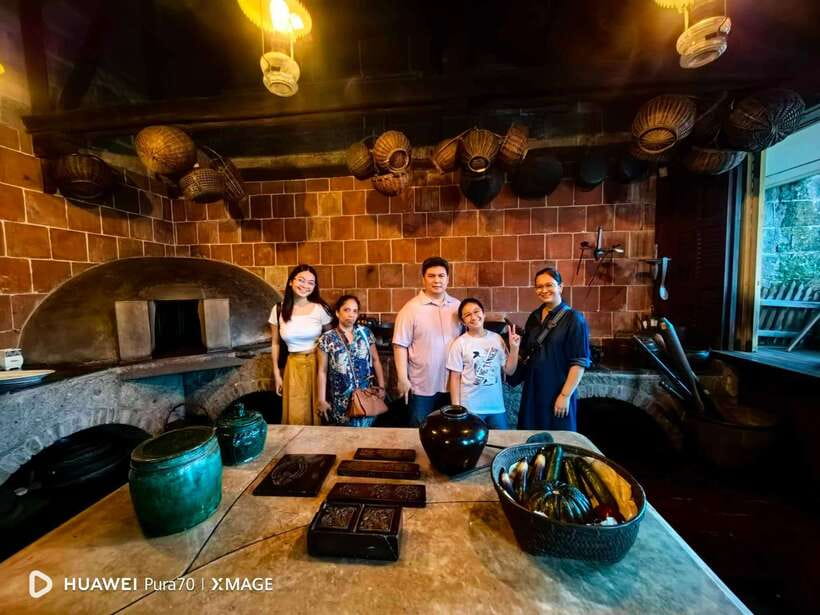
Casa Manila provides the final major stop and the tour’s most domestic setting. You spend about 30 minutes inside this recreated 19th-century home, looking at rooms, furnishings, traditions, and family life during the Spanish colonial period.
I like this ending because it moves the story away from forts, heroes, churches, and battlefields. You get a look at how people lived at home, or at least how elite domestic life is presented through the recreated interiors. Rooms and household objects can reveal social customs in a way that military sites cannot.
Casa Manila also helps explain the social structure of colonial Manila. The home shows the influence of Spanish culture on Filipino life and gives you a more everyday frame for the period. You are no longer only hearing about rulers and national figures. You are thinking about meals, rooms, family routines, and status.
The tour finishes at Casa Manila. That is convenient if you want to continue exploring Intramuros afterward, though no further route is included. The listed itinerary ends there, so plan your next stop before you arrive if you have limited time.
What the $31 price really includes

At about $31 per person, this is not the cheapest way to walk around Intramuros, since you could see some exterior sights independently. The value comes from combining admission, guiding, transportation, refreshments, and a clear route in one package.
Included are the walking tour, a live English-speaking guide, Fort Santiago entry, José Rizal Shrine entry, Casa Manila Museum entry, refreshments, and the kalesa or tranvia ride. Those inclusions matter because separate entrance fees and local transport can make a self-guided visit less simple than it first appears.
You are also paying for interpretation. Fort Santiago and San Agustin Church are easier to appreciate when someone explains their role in the city’s story. Memorare Manila 1945 is especially dependent on good narration, since the meaning of the memorial extends beyond what you can see.
The strongest value appears when you have only a short time in Manila. One visitor with limited time found the tour to be the main highlight of the visit, which makes sense: in three hours, you cover several essential sites without spending time deciding where to go next.
The main value limit is group organization. One booking had a serious problem because the operator did not know about the reservation. Most available feedback is very positive, but that complaint is worth noting. Confirm your meeting point and booking details before setting out, especially since the meeting point can vary by the option you choose.
Walking conditions, clothing, and weather
Plan for an outdoor tour in a warm city. The route covers about 5,000 steps, and cobblestone streets and uneven surfaces can slow you down. Wear shoes with good support, not thin sandals or new footwear that has not been tested.
Bring water, sun protection, and a small umbrella according to the forecast. The tour runs rain or shine, so weather can affect your comfort even if it does not cancel the experience.
The route is suitable for most fitness levels, but it is not designed for people with limited mobility. It is not suitable for wheelchair users, people with respiratory issues, visually impaired people, or people over 95 years old, according to the activity information.
The dress code deserves attention. You should avoid sleeveless tops, short shorts, and revealing clothes because churches and selected sites require modest dress. Smoking, vaping, alcohol, drugs, pets, professional cameras, and loud behavior are not permitted.
Who will enjoy this tour most?
I would recommend it to first-time visitors who want a clear introduction to Old Manila without arranging each ticket and stop alone. It also suits anyone who prefers history explained in plain English, with a friendly guide rather than a formal academic presentation.
Families and school groups may find the format useful. The tour can support English practice and international exchange, and the stops offer different ways into the past. Children who tire of churches may appreciate the fort and carriage ride, while older students may connect with Rizal and the Battle of Manila.
It is also a good choice for anyone staying briefly in Manila. The route is efficient without being a rushed checklist, and it includes the places most closely tied to Intramuros’ story.
I would hesitate if you dislike group tours, need long periods of quiet at each site, or have trouble walking on rough surfaces. The tour is friendly and easygoing, but it still covers a lot of ground.
Should you book the Intramuros walking tour?
Book it if you want context, not just photographs. Fort Santiago, the José Rizal Shrine, Manila Cathedral, San Agustin Church, Memorare Manila 1945, and Casa Manila make a well-rounded introduction to Old Manila, while the carriage ride and refreshments add practical value.
I would be comfortable paying $31 for this combination, especially on a short Manila visit. Just wear proper shoes, dress modestly, prepare for weather, and confirm the meeting point before you go. If those conditions suit you, this is a lively and thoughtful way to understand why Intramuros matters.
FAQ
How long does the Intramuros walking tour last?
The tour lasts approximately 3 to 3.5 hours.
What language is the tour conducted in?
The live tour guide speaks English.
What places are visited?
The route includes Fort Santiago, the José Rizal Shrine, Manila Cathedral, Plaza Roma and the Intramuros area, Memorare Manila 1945, San Agustin Church, and Casa Manila Museum.
Is the entrance fee to Fort Santiago included?
Yes. Fort Santiago entry is included in the tour price.
Is Casa Manila Museum admission included?
Yes. Casa Manila Museum entry is included.
Does the tour include a carriage or streetcar ride?
Yes. The experience includes a kalesa or tranvia ride. The listed timing for this part is about 20 minutes.
How much walking is involved?
The tour covers approximately 5,000 steps and includes cobblestone streets and uneven surfaces.
What should I wear and bring?
Wear comfortable shoes and comfortable, modest clothing. Bring water, sun protection, or a small umbrella depending on the weather.