Intramuros Walking Tour by Don’t Skip Manila | Shore Excursion
Four centuries in four hours. This half-day tour makes Manila’s old walled city easier to understand, with storytelling, museums, short walks, and transport between major sights. I especially like the focus on history over rushed photo stops, and I like that the tour includes entrance fees, bottled water, an air-conditioned vehicle, and port pickup.
The main consideration is pace. You cover several important places in about four to five hours, so visits are short at some stops. The horse-drawn carriage ride is also offered only when more than four people join, and some tour accounts describe an open bus instead, so the exact transport can vary.
In This Review
- Key points to know before booking
- Why Intramuros works well for a half-day in Manila
- Starting at Pier 15 South Harbor
- Rizal Park: a brief introduction to José Rizal
- Fort Santiago: Manila’s most powerful historical stop
- The Rizal Shrine and his final night
- Manila Cathedral and the churches of Intramuros
- Casa Manila: seeing colonial life indoors
- Walking, carriage travel, and the pace of the morning
- What the $83.34 price really covers
- The guide makes the history easier to follow
- Who should book this Intramuros tour?
- Should you book Don’t Skip Manila?
- FAQ
- Where does the tour begin?
- How long does the tour last?
- Is transportation included?
- Are entrance fees included?
- What is the maximum group size?
- Can I cancel for a refund?
Key points to know before booking
- The tour begins at Pier 15 South Harbor, making it practical for cruise passengers with a half-day in Manila.
- Fort Santiago and the Rizal Shrine provide the strongest historical focus, especially if you want context about José Rizal and Philippine independence.
- Casa Manila adds a domestic side of colonial life, rather than showing only churches and military sites.
- The guide-led storytelling is the heart of the experience, with guides including Anne, Andrew, and Andrei praised for clarity, warmth, and humor.
- The group can reach 24 people, so this is not always a private or intimate walk.
- The $83.34 price includes transport, admissions, guide service, taxes, water, and possible carriage travel, which makes the cost easier to justify from a cruise port.
Why Intramuros works well for a half-day in Manila
Manila can feel like a large, complicated city to meet in only a few hours. Intramuros gives you a clear starting point. This old walled district was the center of Spanish government and political power during the colonial period, and its streets bring together forts, churches, museums, and civic landmarks.
I like the way this tour treats Intramuros as a story rather than a backdrop. You are not simply moved from one monument to the next. The guide connects Spanish rule, the city’s political role, José Rizal’s final days, church history, and the damage and survival of Manila’s old center.
That approach suits you if you want to understand what you are seeing. It may not suit you if you prefer a relaxed wander with lots of free time for photographs, shopping, or lunch.
The tour lasts about four to five hours. That is enough time to see the main sights without spending a full day inside the walled city, but you should expect a structured morning. The experience combines walking with vehicle transport and museum visits, so comfortable shoes still matter even though you are not walking continuously.
You can also read our reviews of more walking tours in Manila

Starting at Pier 15 South Harbor
The stated meeting point is Pier 15 South Harbor, with pickup scheduled Tuesday through Sunday from 8:00 to 8:30 in the morning. That early start is useful for cruise passengers. You can spend the morning exploring Intramuros and still have part of the day available afterward, provided your ship schedule allows enough time.
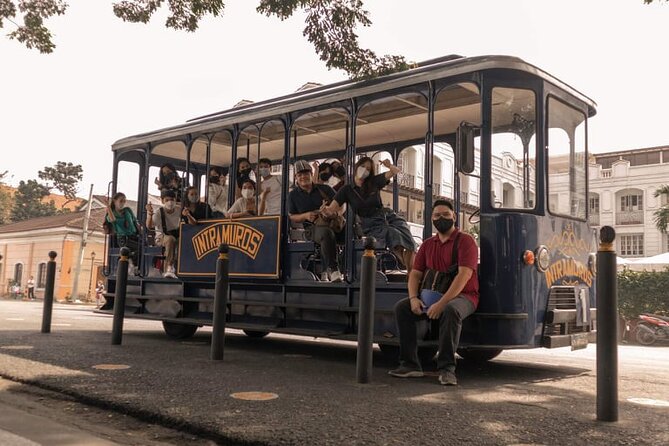
Transportation is included in an air-conditioned vehicle. This is an important part of the value because Manila’s heat and traffic can make a fully walking-based visit tiring. Moving between stops also saves time, especially when the tour has several destinations packed into one morning.
The group size can reach 24 people. That is small enough for a planned guided excursion, but you should not expect the quiet, flexible rhythm of a private tour. Stay close to the guide when moving through busy areas and listen for instructions about meeting points.
The guide service seems to be the strongest part of the outing. Anne is praised for being friendly and clear, while Andrew is described as personable, funny, accommodating, and good at explaining both Manila and Philippine history. Andrei is also praised for strong storytelling. Guide assignments can change, but these comments give you a useful sense of the tone to expect.
Rizal Park: a brief introduction to José Rizal
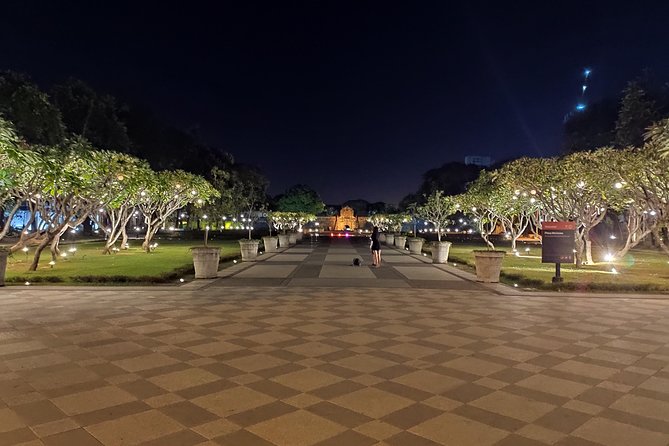
The first listed stop is Rizal Park, Manila’s premier central park. It is dedicated to José Rizal, one of the Philippines’ national heroes, who was executed in the area in 1896.
The scheduled visit is only about 10 minutes, so think of this as an orientation stop rather than a full park visit. Your guide uses it to introduce Rizal and explain why he matters to Philippine national identity.
That short timing is both a strength and a limitation. You get an important piece of context early in the morning, but you will not have much time to explore the park on your own. If Rizal’s life interests you, the later visit to the Rizal Shrine will provide a much fuller look.
Fort Santiago: Manila’s most powerful historical stop
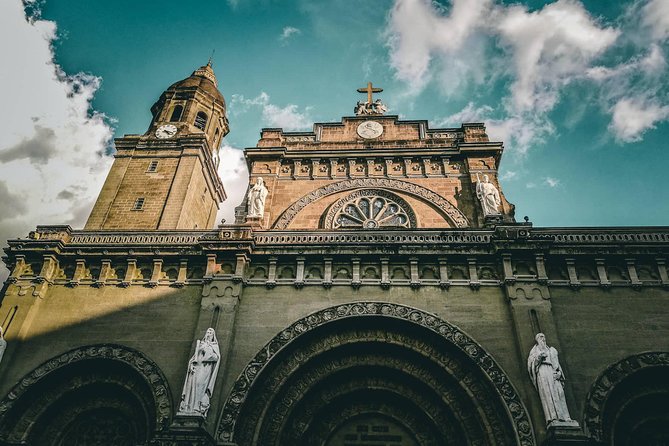
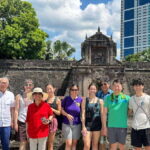
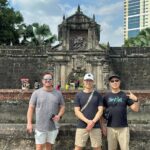
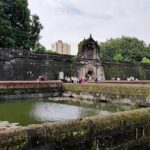
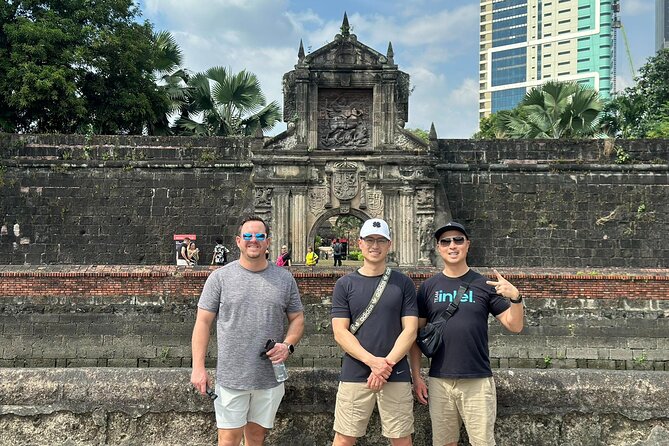
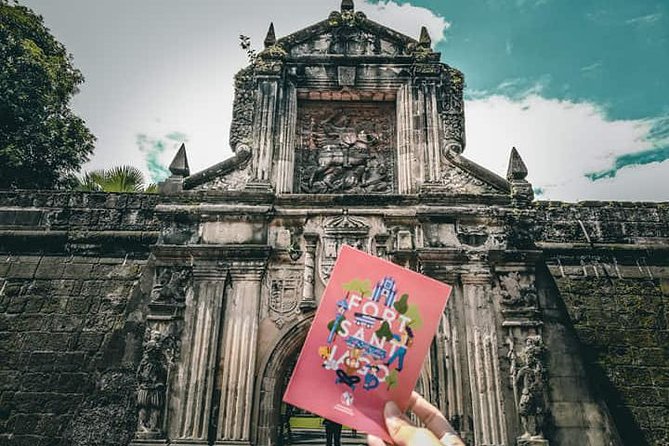
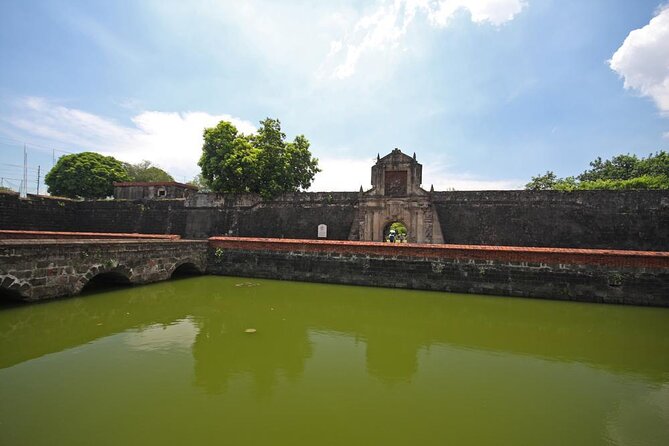
Fort Santiago receives about an hour, making it the central stop of the tour. The fort was first built by Miguel López de Legazpi for the newly established city of Manila, and it became part of the defensive system of Intramuros.
This is where the tour’s storytelling format has the most room to work. A fort can look like a collection of walls and gates if you visit without context. With a guide, you can connect its military role to Spanish rule, the administration of Manila, and the political life of the walled city.
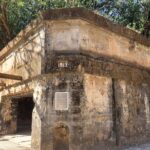
The fort is also closely tied to José Rizal. The tour includes the cell where he was imprisoned, a detail that gives his final days a physical setting rather than leaving them as a distant chapter in a textbook.
You should expect a mix of walking and explanation here. One hour is a useful amount of time, though history fans may wish for longer. The tour is designed to give you the main story, not every corner of the fort.
Fort Santiago is likely to be the best stop for visitors who want a clear sense of how Intramuros functioned. It shows that the walled city was not simply an old neighborhood. It was a seat of government, a military center, and a symbol of colonial authority.
The Rizal Shrine and his final night
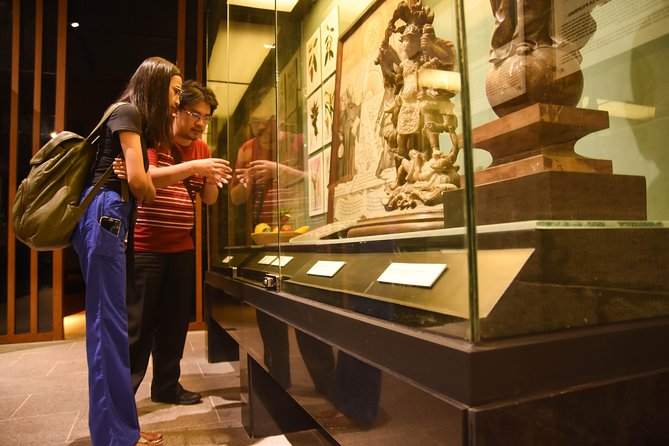
The Rizal Shrine is a museum devoted to José Rizal’s life and work. It occupies the building where he spent his final night and where he hid his famous poem, Mi último adiós, inside an oil lamp.
The scheduled visit is about 30 minutes. That is enough time for a focused museum stop, especially after Fort Santiago has introduced the larger political story. The shrine gives the tour an emotional center without turning the whole experience into a single-hero biography.
I appreciate this pairing of sites. Fort Santiago shows Rizal as a prisoner within a colonial fortress, while the shrine shows the writer and national figure behind the political story. Together, they help you understand why his death became such an important part of Philippine history.
The museum visit is also a good reason to choose this tour instead of a fast city loop. You are given time to enter, look around, and hear the guide explain what you are seeing. Still, the 30-minute slot means you should not expect a detailed museum study.
A few more Manila tours and experiences worth a look



Manila Cathedral and the churches of Intramuros
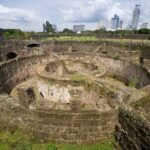
Manila Cathedral is listed for about 15 minutes. It is the first cathedral of the Philippines and a basilica in Intramuros, dedicated to the Immaculate Conception.
This is a brief stop, likely intended to give you the cathedral’s religious and civic context rather than a long architectural examination. Your guide can explain its role within Intramuros and its importance to Catholic life in the Philippines.
The tour also includes San Agustin Church as part of the Intramuros route. San Agustin is one of four Philippine churches designated by UNESCO as a World Heritage Site under the title Baroque Churches of the Philippines.
The contrast between the cathedral and San Agustin is useful. One represents the central cathedral of the country, while the other connects Intramuros with the Philippines’ Spanish-era Baroque church tradition. If church interiors are a major interest, the schedule may feel quick. If you want a broad introduction, the short visits keep the morning moving.
Casa Manila: seeing colonial life indoors
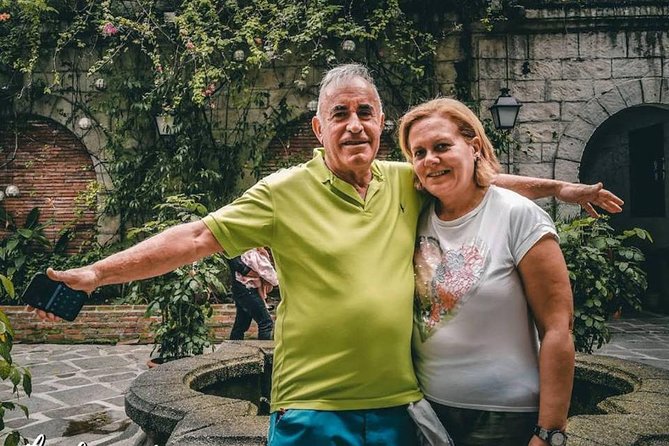
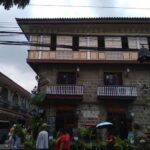
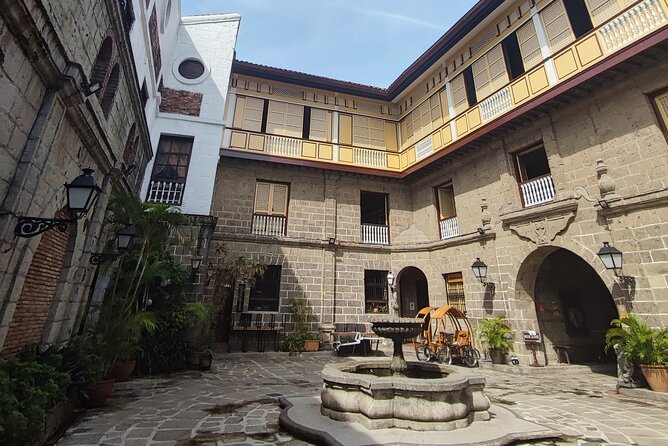
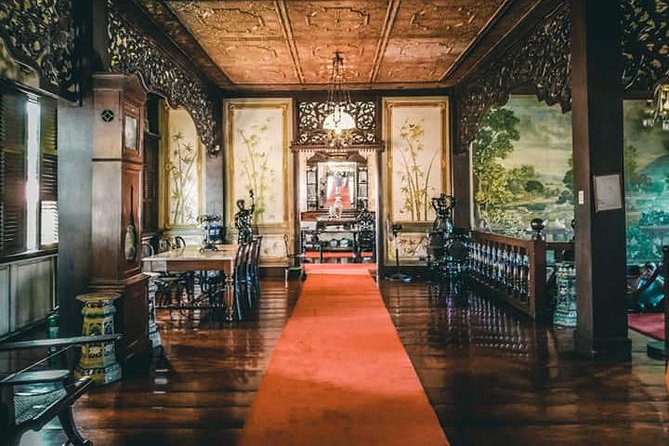
Casa Manila is a museum showing colonial lifestyle during the Spanish period. The building is a copy of an 1850s San Nicolas House once located on Calle Jaboneros.
This stop lasts about 30 minutes and adds something different from the fort and churches. Instead of focusing on military power, national heroes, or religious institutions, Casa Manila shows how colonial life was presented through a house and its rooms.
I like this change of scale. After hearing about governments and major historical events, you get a more domestic setting. The museum helps you think about how people lived, entertained, and organized their homes during the colonial period.
Thirty minutes is enough for an introduction, but you may want more time if you enjoy period furniture and interiors. The guided format keeps the visit focused and helps you understand why the house matters, though it leaves little room for lingering.
Walking, carriage travel, and the pace of the morning
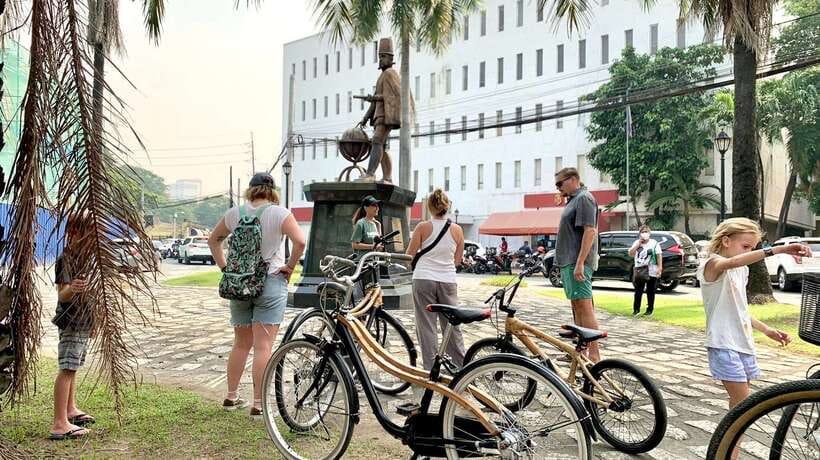
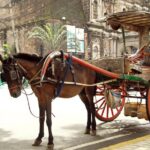
The experience is described as a combination of walking, museum visits, and horse-drawn carriage travel when more than four people join. Some tour accounts refer to riding an open bus, so transport appears to depend on the group or the day.
That variety is helpful. Intramuros is easier to cover when you are not walking every block, and a ride gives your feet a break between visits. It also lets the guide continue the story while you move through the district.
Do not book this expecting a long, independent walking tour. The schedule includes five named stops plus time moving through Intramuros, so the guide has to keep things on track. You will see a good range of sights, but you may need to accept quick transitions and limited personal time.
The group limit of 24 is worth noting. A larger group can make it harder to hear in open spaces, and it may take longer to move through entrances. On the other hand, the tour has a clear route and included transport, which reduces the work of organizing a short shore visit yourself.
What the $83.34 price really covers
At $83.34 per person, this is not the cheapest way to look around Intramuros. The value depends on how much structure and convenience you want.
The price includes an air-conditioned vehicle, museum and entrance fees, taxes, guide service, bottled water, and a horse-drawn carriage ride when the group has more than four people. It also offers pickup from Pier 15 South Harbor, which matters if you are arriving by cruise ship and have limited time.
If you paid for each admission and arranged transport separately, the total cost would not be limited to ticket prices. You would also be paying with time, planning effort, and the risk of getting delayed between the port and the walled city. For a first visit during a port call, the included services make the price easier to defend.
The tour is less compelling for you if you are staying in Manila and can visit Intramuros independently over a full day. In that case, a self-guided visit would give you more control over time and might cost less. The paid value here is the guide’s explanation, the organized movement between sights, and the port-friendly schedule.
Bottled water is included, but personal snacks are not. Bring anything you need for the morning, since the supplied details do not promise a meal or dedicated snack break. Souvenirs and gratuities are also separate.
The guide makes the history easier to follow
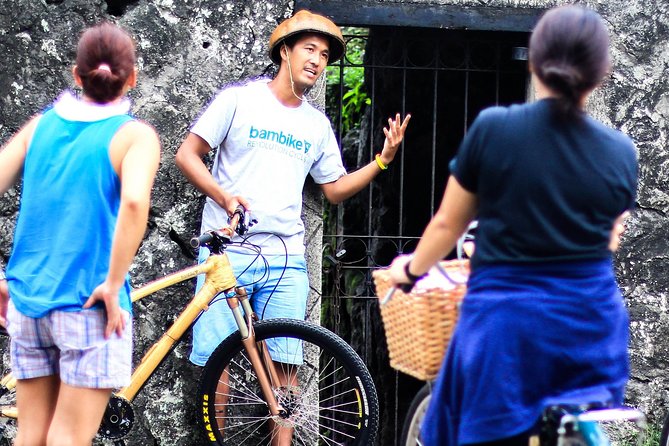
The best feedback centers on the guides. Anne is praised for explaining 400 years of history in about four hours while remaining friendly. Andrew is described as funny, accommodating, and easy to communicate with. Andrei receives praise for clear storytelling and for making the past understandable.
That matters because Intramuros contains many layers. Spanish colonial rule, Catholic institutions, military defense, national identity, and the story of José Rizal all appear within a compact area. Without a guide, you can see the buildings but miss the connections.
The tour’s stated aim is to tell the story of more than 400 years in less than four hours. That is ambitious, so expect a broad account rather than a specialist lecture. The guide’s job is to give you a useful framework, not cover every date, person, and political dispute.
The strong recommendation record supports the idea that the tour delivers well on this goal. It currently has a 5 out of 5 rating from 15 reviews, with 100 percent recommending it. That is a small sample, so I would not treat it as proof that every departure will be perfect, but the praise is consistent: clear history, friendly guides, good variety, and well-managed transportation.
Who should book this Intramuros tour?
I would choose this experience if you are visiting Manila from a cruise ship, have only a half-day, and want the city’s history explained in plain language. It is also a good fit if you prefer museums and historic sites to a quick drive past landmarks.
Families and mixed-age groups may appreciate the varied format. You are not walking for four straight hours, and the combination of a fort, shrine, cathedral, church, house museum, and possible carriage ride gives the morning several different moods.
History fans will probably enjoy the focus on Fort Santiago and José Rizal. The tour gives Rizal enough attention to make his life central without leaving out the wider story of Intramuros.
I would hesitate if you dislike group tours, need a slow pace, or want lots of unstructured photography time. A maximum of 24 people and a tight schedule mean you must follow the group’s rhythm.
Most visitors can participate, and the route is near public transportation. The experience requires good weather, and poor weather can lead to a different date or a full refund. You can cancel for a full refund up to 24 hours before the start time, but changes or cancellations inside that window are not accepted.
Should you book Don’t Skip Manila?
Book it if you want a well-organized history lesson with real places attached to it, especially during a cruise stop. The included transport and admissions remove much of the hassle, while the guide-led storytelling gives Fort Santiago, the Rizal Shrine, and Casa Manila more meaning than a quick independent walk might provide.
Skip it if you want total freedom, a private guide, or a slow day inside Intramuros. At $83.34, the tour earns its price through convenience and explanation, not through luxury or unlimited time.
For most first-time visitors with only four or five hours, I think it is a sensible choice. You will leave with a clear introduction to Manila’s walled city, the life of José Rizal, and the colonial forces that shaped the Philippines.
FAQ
Where does the tour begin?
The meeting point is Pier 15 South Harbor in Manila. Pickup is scheduled Tuesday through Sunday from 8:00 to 8:30 in the morning.
How long does the tour last?
The tour takes approximately four to five hours. The planned visits include Rizal Park, Fort Santiago, the Rizal Shrine, Manila Cathedral, Intramuros, San Agustin Church, and Casa Manila.
Is transportation included?
Yes. An air-conditioned vehicle is included. A horse-drawn carriage ride is included when more than four tourists join the tour.
Are entrance fees included?
Yes. Museum and entrance fees, along with all taxes and fees, are included in the price.
What is the maximum group size?
The tour can have a maximum of 24 participants.
Can I cancel for a refund?
Yes. You can cancel at least 24 hours before the start time for a full refund. Cancellations or changes made less than 24 hours before the start time are not accepted. If poor weather cancels the tour, you will be offered another date or a full refund.